

Posted on September 3, 2026
NIGHT HEAD synopsis – episode 15
Episode 15 – Apocalypse
broadcast date: january 21st 1993
Director: Hiroki Tsuchisaka (土坂浩輝) Screenplay: Takeo Kasai (土方政人)
Naoto Kirihara – Etsushi Toyokawa (豊川悦司)
Naoya Kirihara – Shinji Takeda (武田真治)
additional cast can be viewed here
trigger warning: suicidality
We open on the brothers walking through an average town, though they seem tense with anxiety as they peer around their surroundings. The streets are deserted, yet the eerily muffled chatter of others gives a feeling of panoramic claustrophobia – as if they’re being observed. Sensing his younger brother’s discomfort, Naoto asks him what’s wrong. Naoya responds that he feels like they’re being watched, and that he has a bad feeling about the whole situation – enough to make him feel ill.
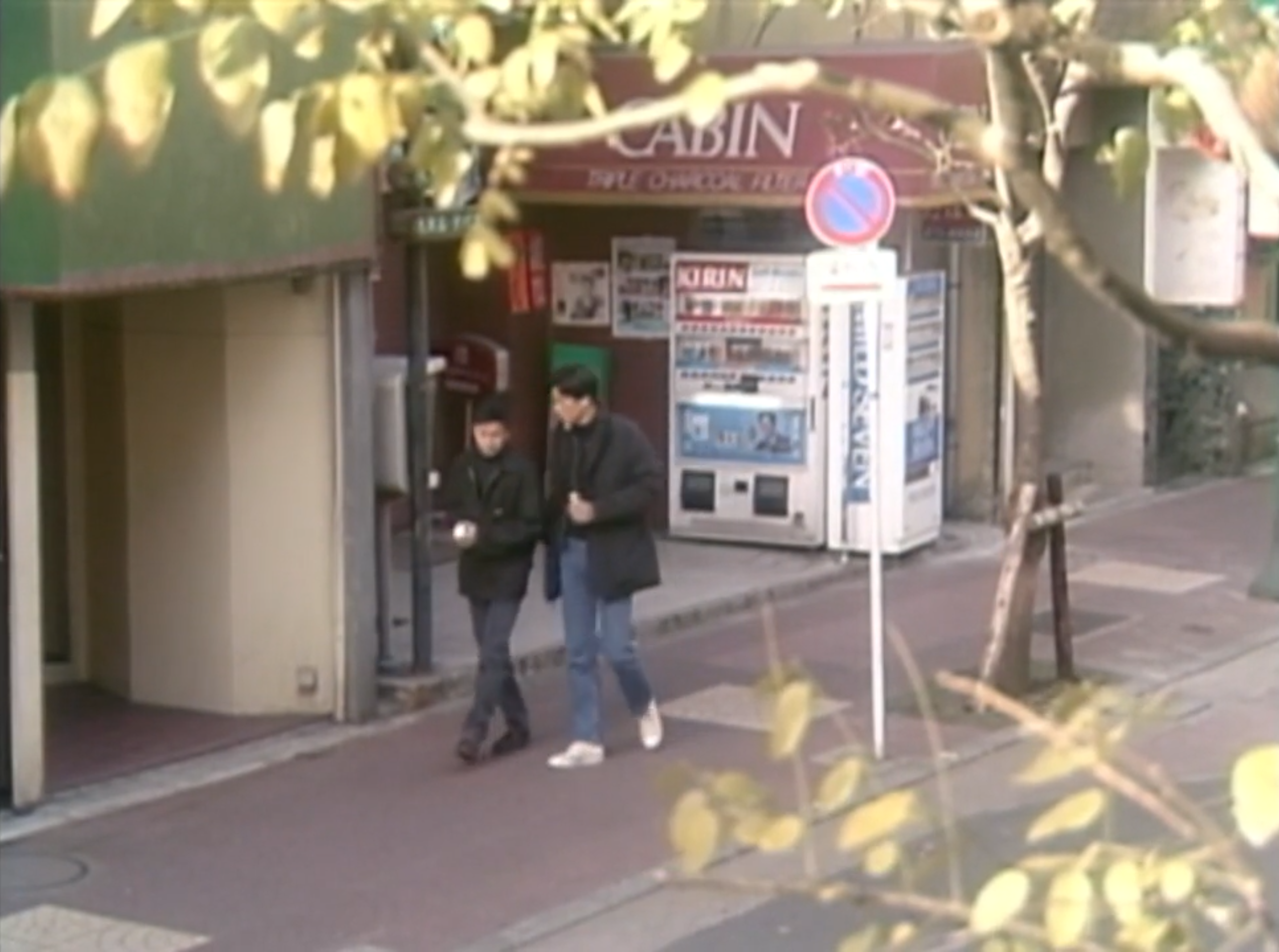
Just then, sensing danger, they both look up to see a cinderblock falling, aimed directly for their heads. Quickly, Naoto diverts the brick, which smashes on the ground. They look up and, briefly, see the perpetrator peeking down at them – rushing up the stairs to the roof, they narrowly miss catching them. Breathing heavily with the exertion of the climb, Naoto wonders if it was just a coincidence, but Naoya confirms it was not – he felt a sensation akin to intense malice, similar to one he’s felt somewhere else before. Now, though, he can’t sense anything more – his head feels like it’s full of fog, but he knows for sure that they’re being targeted.
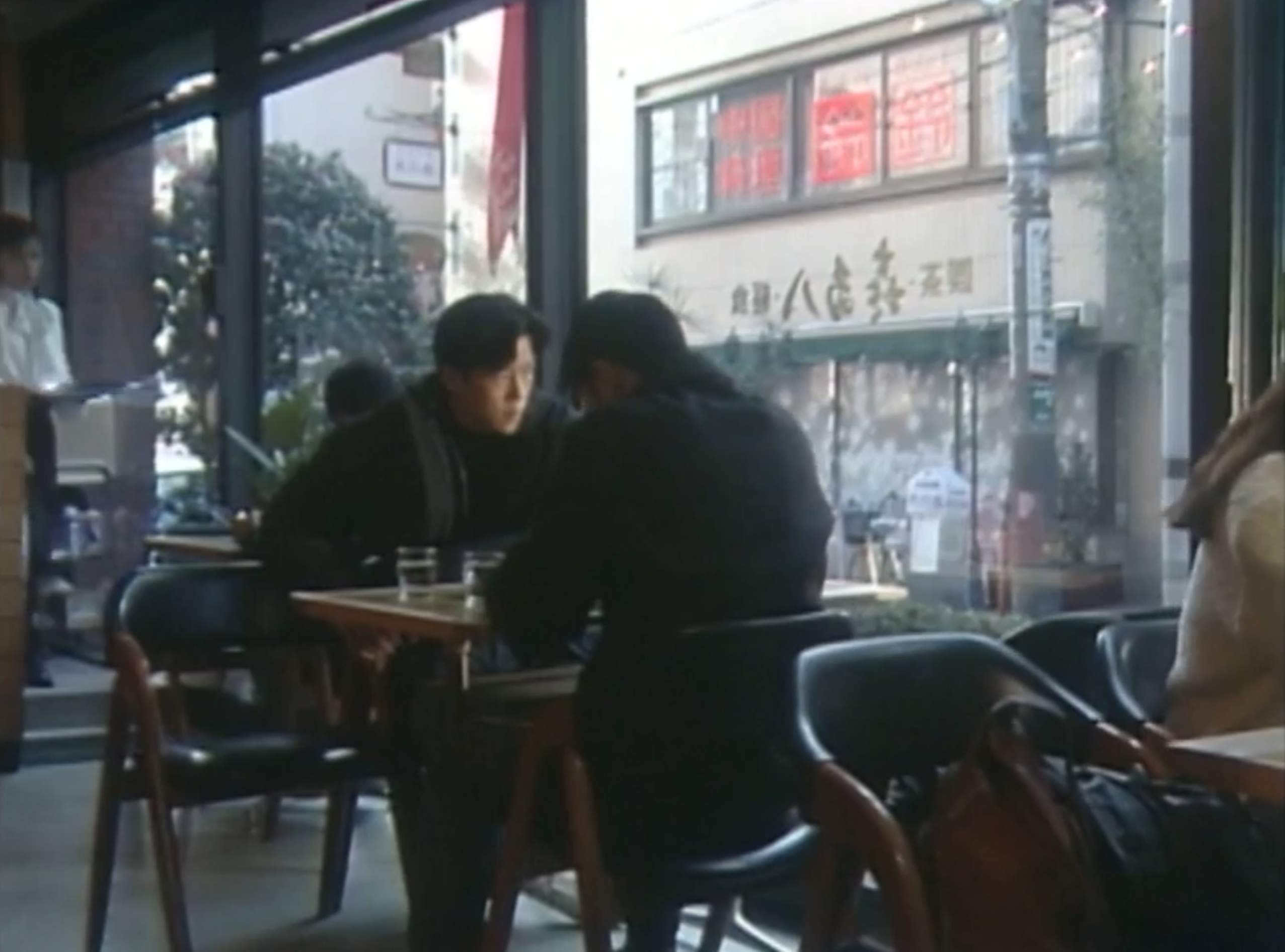
They head over to a cafe to discuss who it might be that’s targeting them, and why. As Naoto surveys the room with suspicion, Naoya gloomily reminds him that there are people that don’t want them to exist. Naoto understands that he’s referring to Shoko’s earlier message to them, where she said that there are those who do not wish for “transformation”. If they are necessary for transformation, and there are those who don’t wish for it to happen, then they are also necessarily a problem.
Frustrated, Naoto is confused that they don’t even know what the transformation is meant to be, let alone who does or doesn’t want it. Thinking one step further, Naoya wonders if anyone wishes for it:
There are a few other customers in the shop besides the two of them.
Naoya glances at the customers.
Naoya: “To the people living happily in the world as it is now, ‘transformation’ means absolutely nothing…If that’s the case, then we’re just a nuisance.”
Naoya lowers his head, looking pained.
It feels as though the customers and staff are glaring at the two of them with hostility.
…
Naoya is visibly frightened.
He feels as though everyone passing by is looking at the two of them with spite.
Naoya: “I can sense malice… coming from all around us…
I knew it. We aren’t wanted here.”
Sensing his brother’s discomfort, Naoto rises abruptly so they can leave. Naoya is still panicked as they wait at a railroad crossing, thinking aloud in despair that people wish for them to not exist. Naoto firmly tells him not to think like that, and that it doesn’t matter if no one else wants it – if there’s a future they can create, then he wants it. “As long as it’s one where our existence holds meaning, I don’t care what kind of world it is. That’s the world I want. Even if it means turning the entire world against us.”
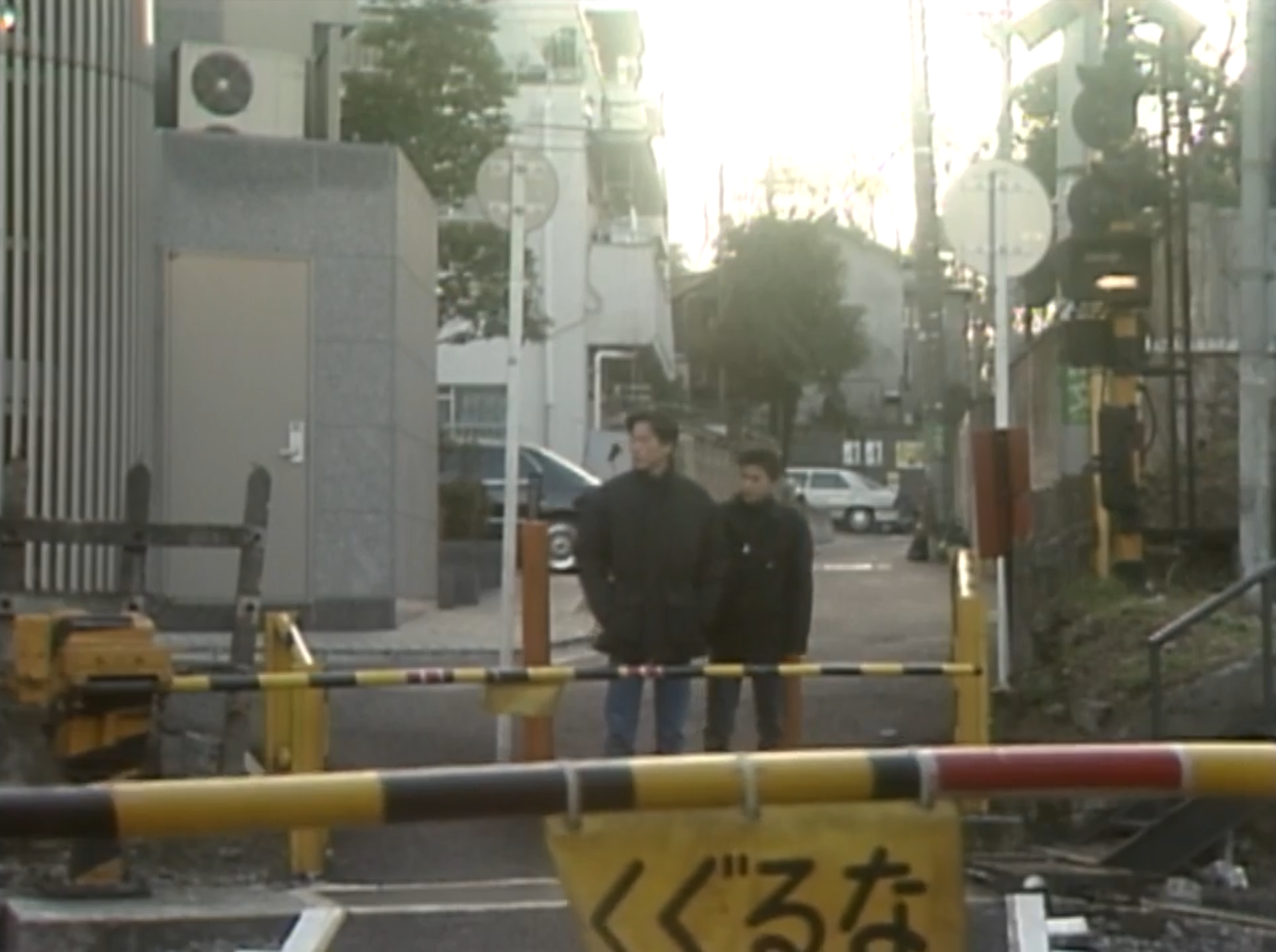
Just then, as the train turns a bend in its approach, a stranger pushes Naoya full force onto the tracks. Naoto, startled, sends out a powerful burst of psychic energy – the train careening by blocks his view and he frantically tries to see past it, unsure if he was able to toss his younger brother to safety. Calling out to him in relief as he sees Naoya sprawled on the road across the way, Naoto bursts through the barriers to assess the damage. Naoya, clutching his stomach wound, alerts his older brother to the person lurking across the way – the man who pushed him, now fleeing.
Sprinting after, Naoto psychically knocks the man into a row of parked bicycles. Grabbing him by the collar, he demands to know who the hell he is and why he’s trying to kill them – but to no avail. Naoya approaches, offering to try and use his own powers to try and ‘read’ the man. Naoto seems shocked, asking if he’s sure, but Naoya says he’s okay.
Just as Naoya reaches forward to touch the man’s shoulder, they’re interrupted by the blunt force of impact as Naoto is struck from behind. He turns to see a middle aged woman and her young daughter – the mother winding up for another attack with her umbrella. She continues to hit him with forceful whacks, distracting the brothers from their interrogation of their other attacker who springs up to run away, pushing Naoya over in his haste. But in that touch, Naoya gleans a vision – one of Kamiya Tsukasa, the clairvoyant salaryman.
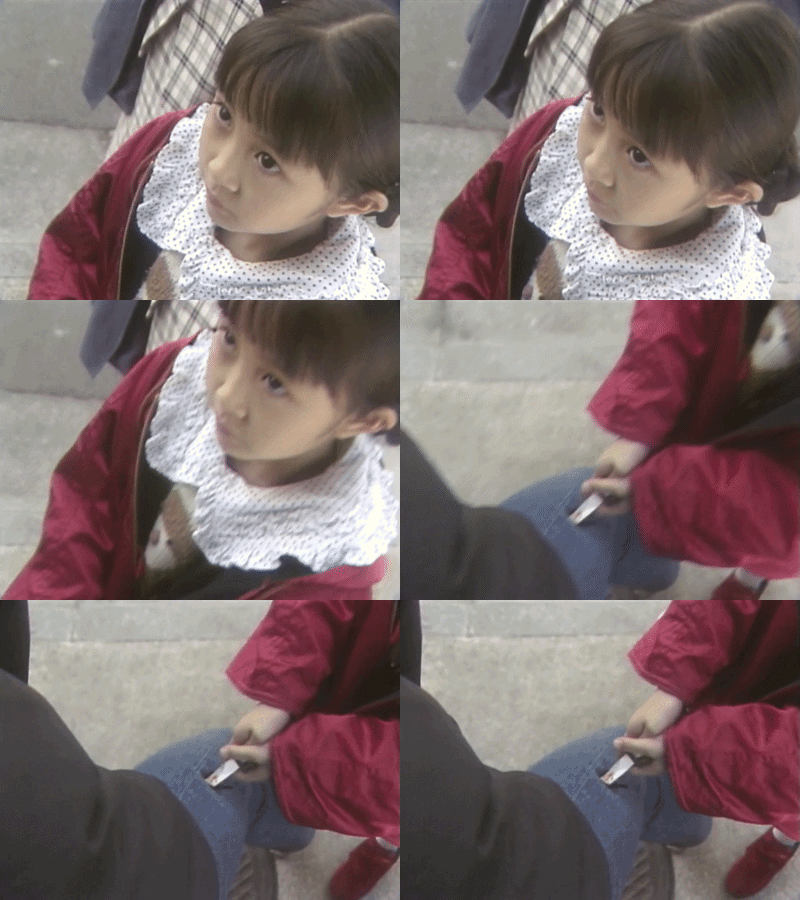
Meanwhile, Naoto is still fighting off the flurry of blows from the mother as he yelps questions at her – suddenly, he gasps in pain. Looking down, he sees that the young girl has stabbed him in the leg.1 In shock, he flings them both away with his powers before they scuttle away. He calls out to them to wait, limping after, but Naoya tells him not to bother. They don’t know anything more, they’ve just been convinced of something… by Kamiya. The sense of malice he feels from those attacking them is the same as before, when Kamiya convinced one of his followers to kill their own fiancee.
Abruptly, the brothers meet with Kamiya in a surreal confrontation at a theme park. They ask him why he’s targeting them, which he denies – claiming, as before, that he never orders anyone to do anything. Kamiya taunts Naoya, telling him to read his mind. Naoya does just that, reaching out and sensing that Kamiya is terrified of them and the future they may bring.
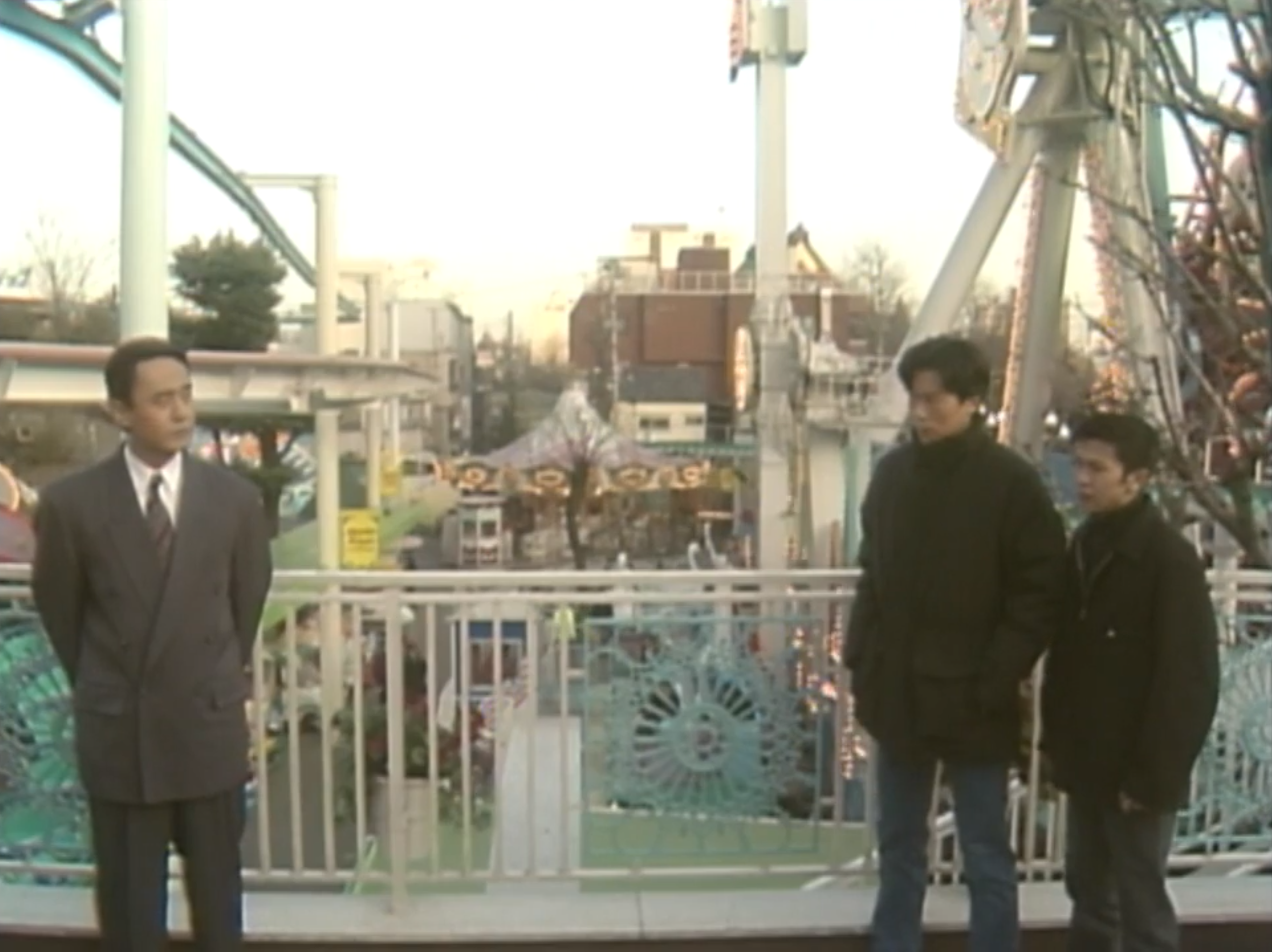
Hearing this, Kamiya falters, smiling in embarrassment – it’s clear he didn’t expect Naoya to be able to. Pushing harder, Naoya sees Kamiya’s own vision of himself, the thing spurring him on to eliminate them: a vision of his own death.
Naoto asks Kamiya if he believes this death will be their fault, to which he says he doesn’t know, only that their appearance is what brought the vision to him. With a grimace, he tells them, “You and I cannot coexist. I believe that is a certainty.” In his usual slippery way, he denies that he’s trying to have them “killed” – merely that he told his followers that their existence would drastically change the world. Just as Naoya suspected, the followers’ attempts to kill them – to erase their existence – are a result of their desire for the world not to change. Smirking pensively, Kamiya explains: “People choose their current reality, even with its inconveniences, over a future they can’t even imagine. I am one of those people, too. We cannot accept a future in which you exist.”
Naoto is affronted that Kamiya claims to be ‘one of those people’ who reject their existence, while never dealing with things himself. By allowing his influence on his followers to serve as near-enough commands such that they’ll do his bidding, he will never take the blame or dirty his own hands. Kamiya taunts him, saying he can think however he likes, and Naoto takes the bait – slamming him against the wall in a fury while Naoya tries desperately to pull them apart. Kamiya asks if Naoto is going to kill him, but warns him there’s no point – if he does so, the brothers will certainly become enemy #1 to his followers, inevitably leading to their own deaths as well.
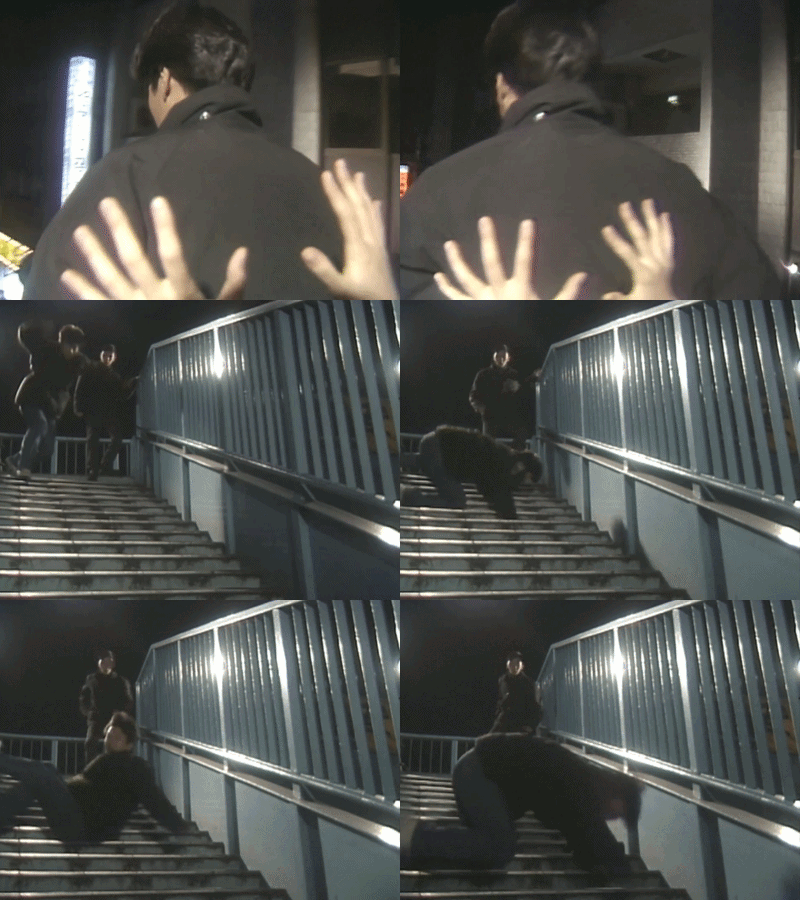
They part ways with no resolution, and following that, things just do not go their way. As the lads are walking along an overpass, Naoto is suddenly pushed down a flight of stairs. Scrambling to recover, he realizes that Naoya is now the target of his own attacker – and about to be thrown off the overpass into the traffic below. Naoto screams at the young woman hurting his brother, barreling her over with his powers, but she flees before he can stop her.
Gasping in desperation as his older brother helps him up, Naoya relays the emotions he was able to read from his attacker: her unwavering faith in Kamiya, and her willingness to become a murderer if it meant following his will.
Naoto puts his arm around Naoya’s shoulders.
Naoya: “What should we do? This is terrifying. Everyone hates us!”
Naoto: “Either he dies… or we die. Is there really no other way?”
The two of them gaze out at the city, filled with despair.
Back at their hotel, Naoya wakes up sobbing from a nightmare where he was murdered by Kamiya’s followers. Naoto helps calm him down and the two sit, gloomily contemplating what they can do to change the situation. Looking like he’s about to be sick, Naoya asks his brother if maybe it would be better if they didn’t exist after all – that maybe they really are just a nuisance to the world.
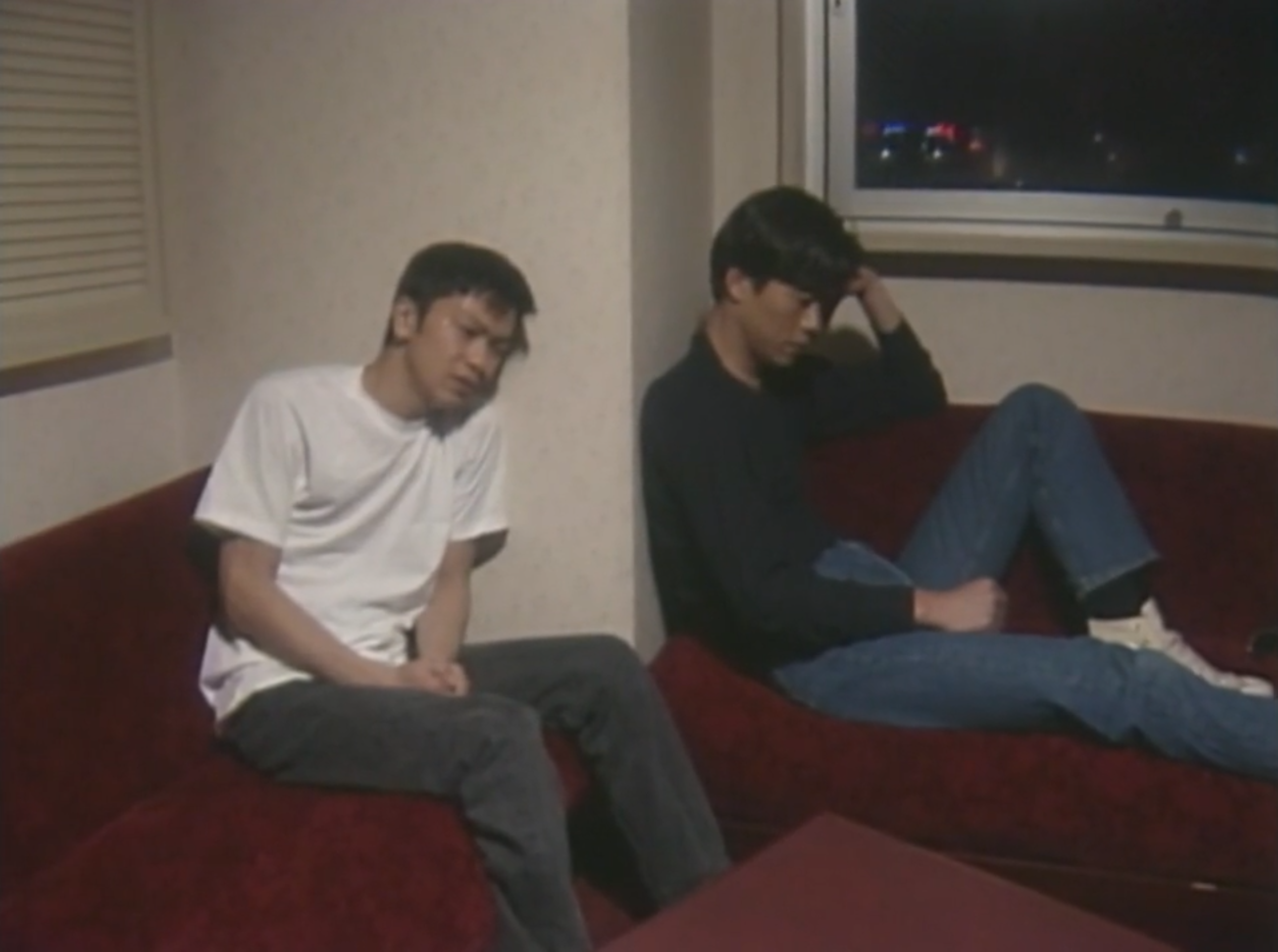
They bicker about this, becoming increasingly heated as Naoto tells his younger brother to not be stupid, that it doesn’t help to think that way – but Naoya doesn’t back down. Wouldn’t it be better if they were gone?
Thinking back to Y’s accusation, Naoya says that it’s their fault that the world is how it is now: their parents – and their own past – don’t exist anymore, all because they wished for it. Naoto yells that this isn’t true, holding onto that certainty as best he can. But it seems to have given Naoya an idea – if they wanted it, wouldn’t a world without their existence come into being – just like they did to their parents? He’s certain that if they wished for it, they’d cease to exist – and that that might be the right thing to do. And maybe then… they’d finally feel relief.
Just then, Shoko appears – she tells them not to waver, as this is what Kamiya desires. They mustn’t question their own existence, and should believe in the meaning of their having been born. She tells them once more to not be led astray before disappearing. Her appearance brings Naoto to a realization: rather than having his followers kill them, Kamiya’s true aim is for the brothers to be so impacted by negativity that they erase themselves – to voluntarily give up their own existence. Furious and forthright, Naoto tells Naoya he can win this – they only need to believe in a world where they exist.
In a final confrontation with Kamiya down at a construction site, they tell him that things won’t go the way he wants – they’ve decided to choose a world where they exist, and they won’t be swayed by his words any longer. Naoya pleads with Kamiya – can’t they choose a path where he and they both exist? But Kamiya says it’s impossible – he cannot see such a future.
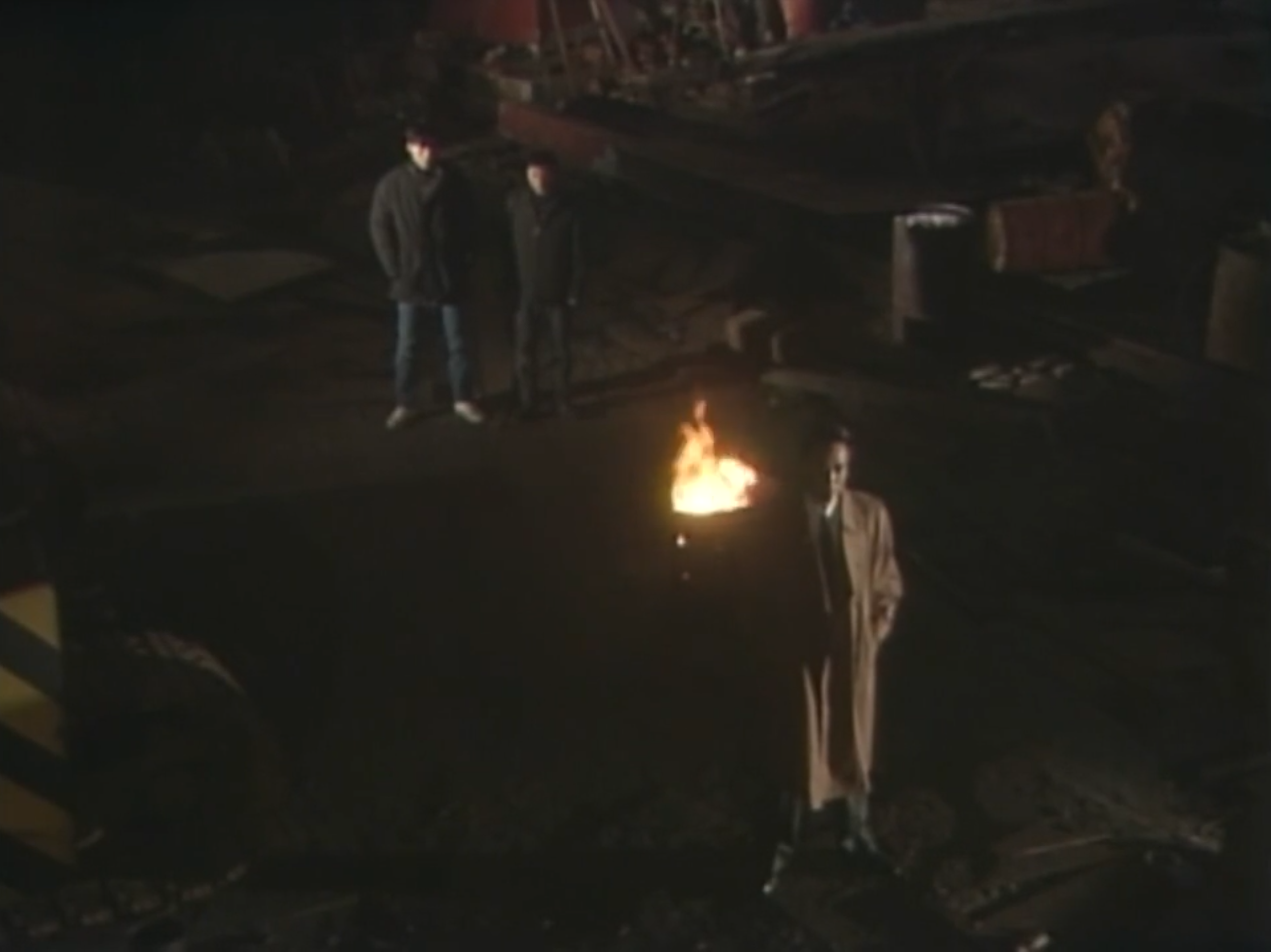
While Naoya assures him that it’s not as if they want a future where he doesn’t exist, Kamiya thinks of it this way: “In all likelihood, for the world that is transforming due to your existence, I am merely an obstacle. That is the same as the current world which cannot accept you.” Naoya, distressed, pleads again in their own defense – “We cannot abandon who we are now.”
As the brothers turn from him and walk away into the night, Kamiya shouts at their backs that in such a short time, they’ve become too strong – and that this strength will be their downfall. He collapses to his knees, telling them that he is only the beginning. We cut to black as we hear his final screams.
———————————————
Kamiya dies offscreen, and it is unclear how exactly it happened – while this may imply a direct link with their decision to live, the reality for the mysteriousness of his death appears to be budgetary. As seen in their shared vision of his death, Kamiya is lying in a pool of his own blood – this is corroborated in the script:
Suddenly, a violent crash echoes out.
Naoto and Naoya spin around in alarm.
Construction materials have collapsed right where Kamiya had been standing.
The two of them rush over in a panic.
Kamiya lies dead—gruesomely crushed beneath the construction materials.
It is exactly the scene Naoya had envisioned.
While this makes somewhat more sense than just fading to black, I still feel like it was an inadequate through-line for his character. Kamiya’s existence functions as a part of the world as it is now – in a normative job as a salaryman, in the relative position of power as a soothsayer and prophet. Rather than any particular bigotry towards the brothers themselves, as he explained before, his own unwillingness to accept them comes from a conservatism around protecting the status quo of the ‘current’ world, the society in which he holds power – where his own existence holds importance. To maintain such a world, he himself cannot change either, a belief he holds to so firmly that allowing their existence must necessarily mean his own death. As such, the causality of his choice leading to an accidental death feels somehow hollow.
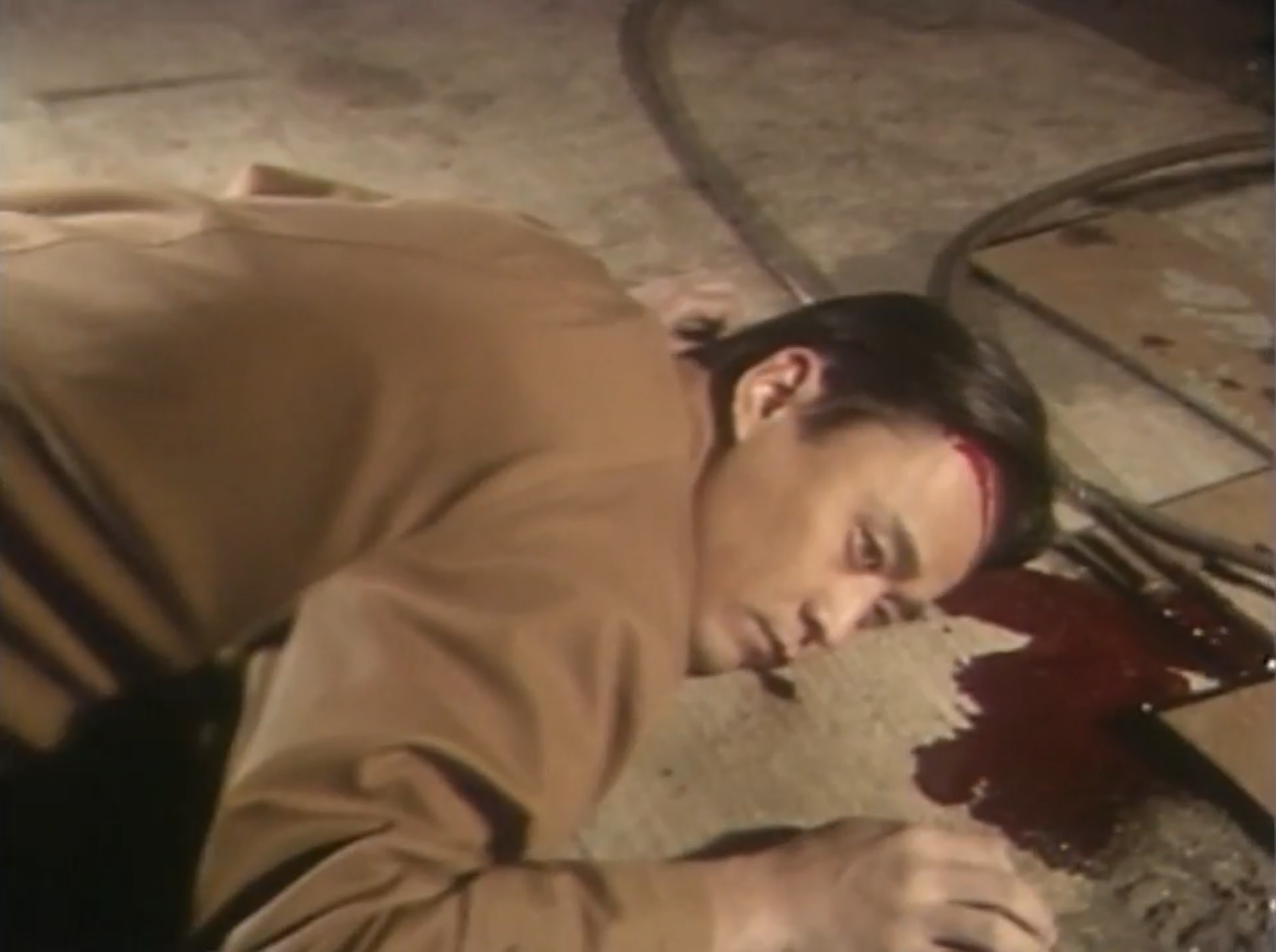
I don’t see why suicide would have been out of the question – isn’t he ostensibly their Javert?2 Is he not seeing his firmly held beliefs tested beyond their mettle? Though they wouldn’t have known it at the time, looking back, this would have made for a darkly poignant choice given his position as a salaryman in 1992 – just as the Japanese asset price bubble burst, precipitating decades of economic stagnation and greatly devaluing that particular occupation.
They should have had him jump off his office building! They could still have reused the footage they had of his envisioned death – it would link well with the deaths he caused in episode 10, and serve as a thematic return to some latent commentary in episode 7.
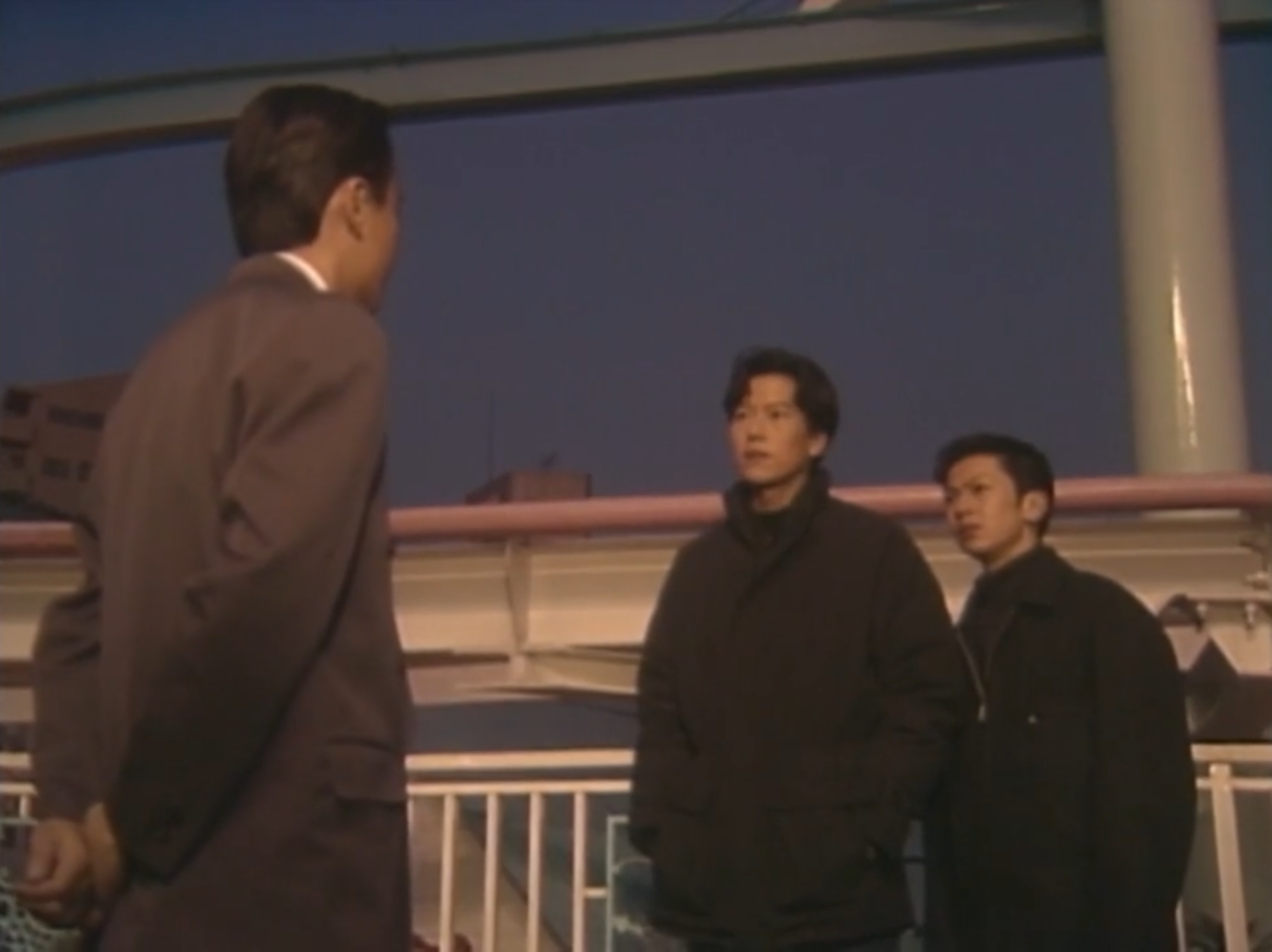
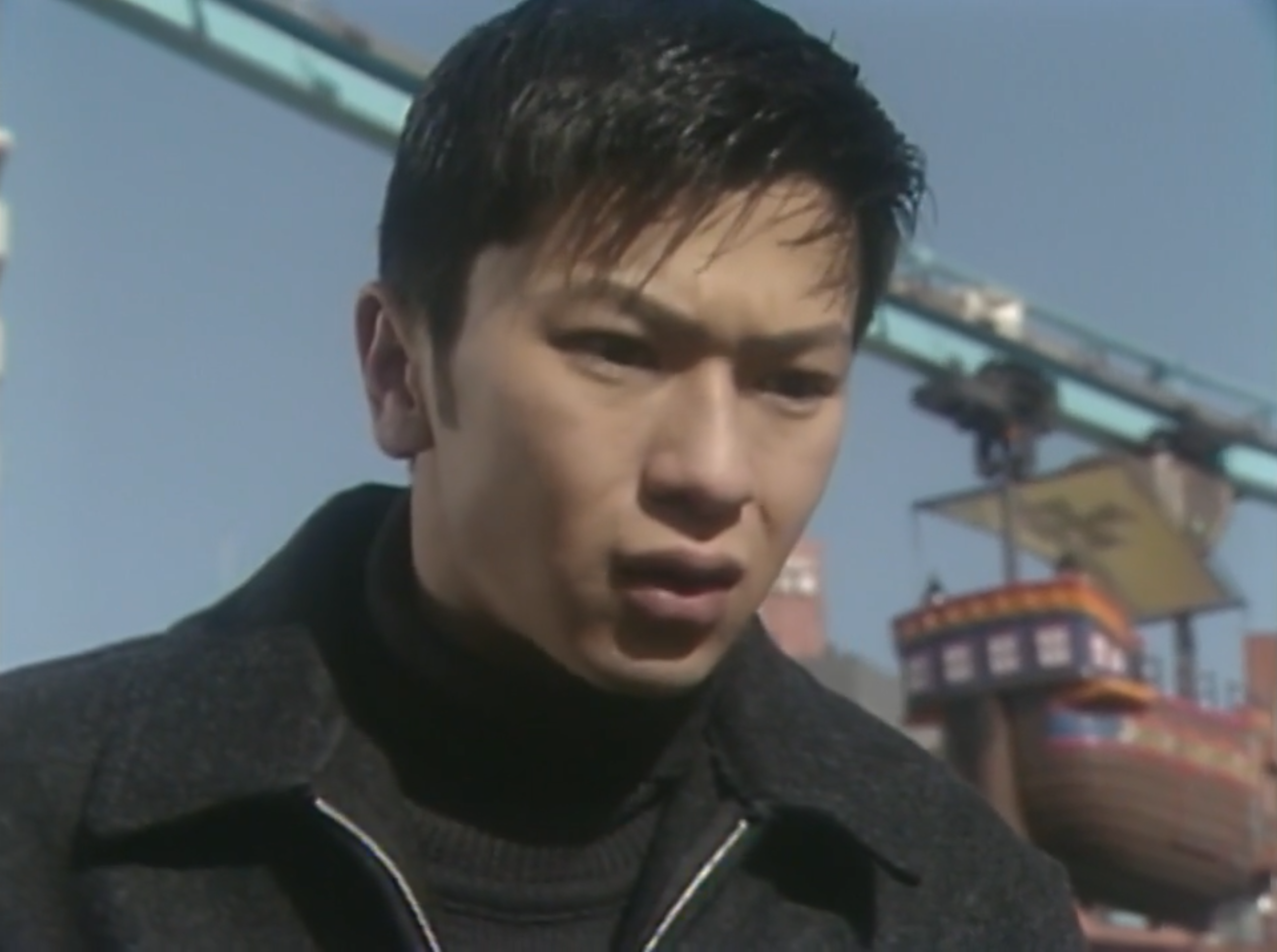
In what I assume was a similar budgetary choice (as the script called for it to happen at the same office as before), their meeting with Kamiya at the theme park ends up being unexpectedly great. The surreal sound mixing and ADR, the psychedelic vertigo shots, the erratic continuity of where they’re meant to be in the park, and the use of a lighting rig at twilight (presumably to compensate for lost daylight hours) all create a strange sense of temporal distortion that I really enjoyed. I’m also pretty sure this was filmed at Hanayashiki in Asakusa, which I’ve been to before – I’ve even ridden on those suspended pirate ships!
Back to their cafe discussion early on, there is a conflation between “people don’t want us to exist” and “people don’t want ‘transformation’.” I understand, or at least assume, that this is because these two are required for some grand, heroic “chosen one” type storyline – that the ‘transformation’ will be brought about in some kind of decisive battle on an epic scale. I’m speaking in projections, of course – I don’t know where this all is going, though I have an inkling. But I don’t know that I’ve ever felt impacted emotionally by traditional hero myth showdowns like what I suspect the ‘transformation’ they’re alluding to will be, probably because I don’t feel like they have all that much in them that’s reflective of my lived experience.
Much of life is a series of battles against a constantly encroaching minutiae of difficulties and aggressions. Relying on the carrot-and-stick of a one-off triumph where everybody claps feels like a recipe for disappointment, at best – more likely a depressive spiral, just the same as Naoya experiences in this episode. Relating this back to the earlier idea – that ‘people don’t want [them] to exist’: rather than the heroic epic, there is a kind of poetic notion in the simplicity of the idea that one’s existence is unwanted as a person of any marginalized group – and the mundane heroism of merely continuing to exist, openly, as you are. It’s in seeing characters find the resolve to keep going – to live – through their shared experiences and struggles that I’ve personally found catharsis, which is where this episode shines.
While this episode appears to be delineating the existence of only the Kirihara brothers as being a problem to normative society, I don’t say ‘any marginalized group’ out of nowhere. During his downward spiral, Naoya says “no matter what this ‘transformation’ is, only a tiny minority of people actually want it”, which implicitly means more than the two of them. This is thematically backed up by the creator’s association of their powers with disabilities more generally,3 as well as forms of neurodiversity such as autism.4 Separately, in an interview more recently, Shinji Takeda reflected on the show and its themes by comparing them to the struggles of the LGBTQ+ community,5 which does parallel certain experiences they’ve had so far. It’s clear that important members of the team working on the show felt that the experiences of the characters work as a metaphor for social estrangement and a desperate desire for change, which I think works!6
I think there is also some truth in Kamiya’s trickery – the notion that things would be better off if one didn’t exist is a slippery slope for depressive episodes and suicidality, and to convince someone else that this is true – and possibly to act on that feeling – works well with what little we learned of his character and how he manipulates his followers. However, I do wish they had been able to realize his aim on their own, rather than having Shoko spell it out for them. Learning to not question the validity of their existence would have been more empowering, in my mind, if it had come from within.
Furthermore, the monumental task of holding onto the basic conceit that one deserves to be alive at all can have the galvanizing effect of making choices that allow this to be true. Making sure to eat, for instance – or learning to see and understand the ways that you’re treated by those around you, and trying to leave or resolve situations where people don’t respect you. But, those are choices and actions – it’s not simply by believing that you deserve to exist that they happen, it’s that belief that spurs you to find your own agency. I don’t subscribe to the law of attraction/cosmic ordering/darryl anka type new age mysticism where the world you believe in will come to exist purely through that belief, which is a pretty central structural component of this show (though it’s taken very literally). I find such resonance in this episode’s conundrum otherwise that it frustrates me to find myself, again, at odds with this part of the show’s premise – particularly its implications beyond what rings true to me here.7
- Does this mean he needs to buy new pants? Why did we not get to see him with the classic ‘bandage-on-thigh over jeans’ look? ↩︎
- This is probably my only chance to say NIGHT HEAD 24601 ↩︎
- This persists in other sources outside of the show itself, which I will address in future. ↩︎
- Just making sure to also highlight where I delve into this a little more ↩︎
- “NIGHT HEAD is the story of brothers who possess powers – specifically, psychic abilities – that set them apart from others … Regarding the character Naoya, I thought about people who struggle with being “different” – such as the LGBTQ+ community, for instance” [link] ↩︎
- Foreshadowing…for when it doesn’t. ↩︎
- Foreshadowing………to the next couple of episodes. ↩︎




Recent Comments