

Posted on August 14, 2026
NIGHT HEAD synopsis – episode 10
Episode 10 – Prophecy
broadcast date: december 10th 1992
Director: Masato Hijikata (土方政人)
Screenplay: Takeo Kasai (笠井健夫)
Naoto Kirihara – Etsushi Toyokawa (豊川悦司)
Naoya Kirihara – Shinji Takeda (武田真治)
additional cast can be viewed here

trigger warning: murder-suicide
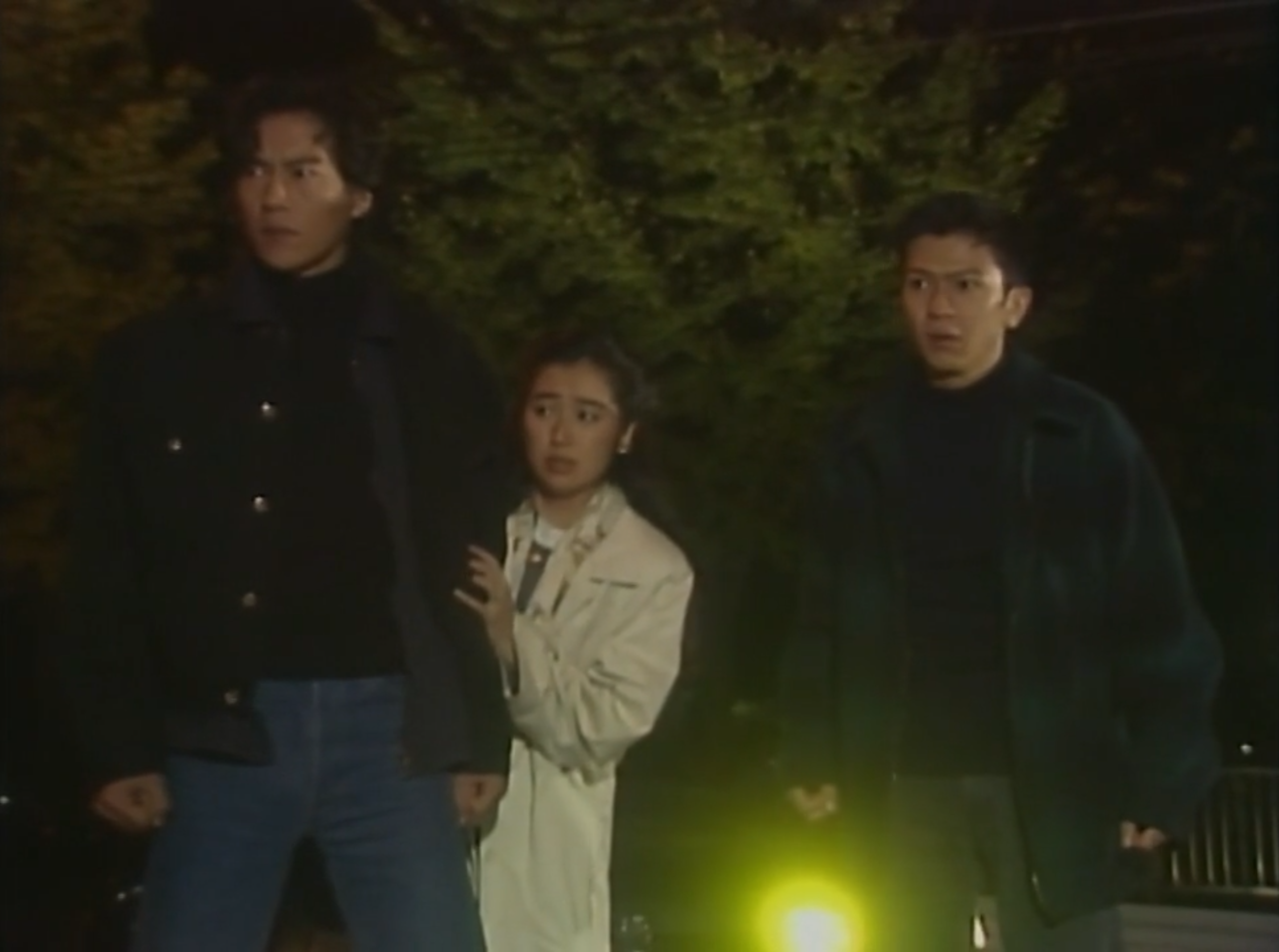
We open on the lads nearly running a woman over. As they rush out of the car to ask if she’s alright, she begs them for help – she’s running away, terrified, from a man who is trying to murder her. As the man runs towards them, Naoya senses an oncoming psychic power – “an incredibly strong force of will” – and they wait momentarily, the woman cowering behind them. Suddenly, a normal looking man in a suit comes running before stopping dead at the sight of them. He pauses, then sprints back the way he came. As Naoto attempts to run after the man, the woman faints – Naoya, unable to touch her, has to call his brother back to help carry her to the car. Despite this precaution, he brushes against her while opening the door, and he is overwhelmed at a precognitive vision – that of their own death.
In the car, the brothers discuss what to do next. The woman, roused, begs them not to go to the police – instead, they head to her apartment where she tries to explain things to them. The woman – Tomomi – is a pharmaceutical researcher looking into viral activity inhibitors, which she hopes will someday help with treating HIV/AIDS.1 The man who attacked her, Takaaki, is her fiancee – hence why she didn’t want to go to the police. Recently, however, he’s started saying strange things to her about her work. He’s begun to insist that she needs to quit her current research or many people will die, which has now escalated to his attempt on her life.
After hearing Tomomi’s story, the brothers head out to their car where they have a conversation about precognition and determinism. Naoto ponders – if the vision is correct, doesn’t that mean the future can’t be changed? And Naoya wonders, too – if the future can’t be changed, doesn’t that make precognition meaningless? As Naoto starts up the car to leave, his younger brother tells him to stop – if they want to try and protect Tomomi, they ought to stay here.
As expected, Takaaki makes a return later that night – he slips past the lads because they were asleep, I presume2 – but as they wake from the sense the danger, they rush upstairs to stop him. In the scuffle, Naoya is knocked over by Takaaki, and he briefly sees a vision of a different man. They talk again with Tomomi, who is increasingly distraught – the man she loves is trying to kill her, and she seems to be falling apart under the strain.
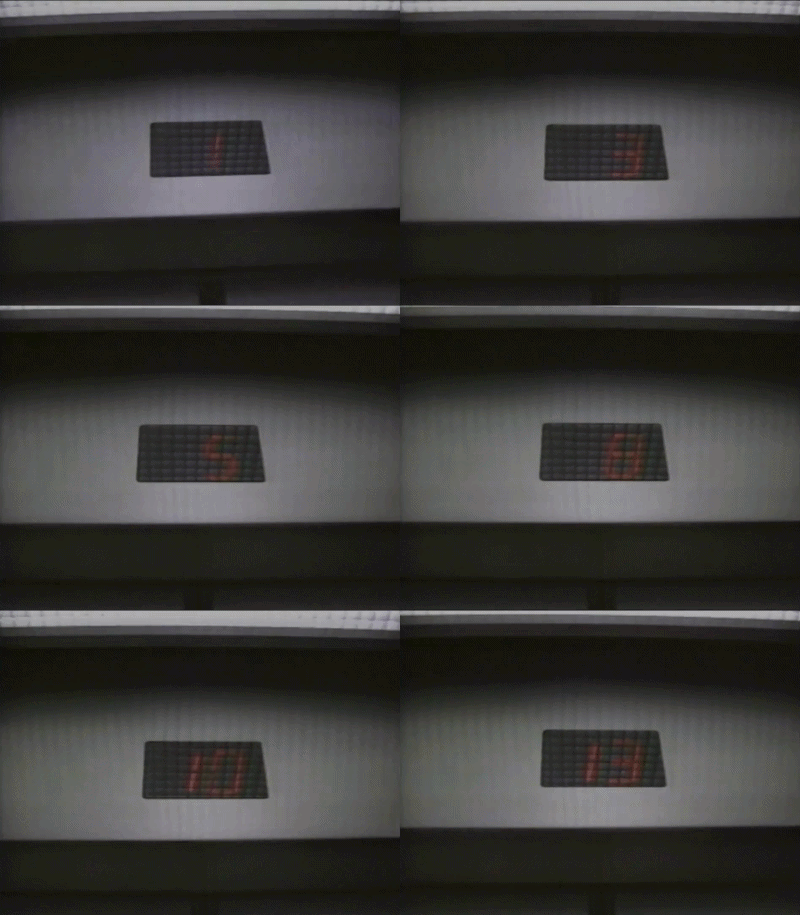
As Tomomi weeps quietly to herself, Naoya relays what he learned to his older brother – Takaaki himself doesn’t have any precognitive abilities, but is acting on the advice of someone else. Naoya pushes himself further to see more of the man from before, gleaning a vision of an average looking salaryman. Furthermore, he learned his name – Kamiya Tsukasa. Shocked and confused, Naoto believes he’s heard the name before, but can’t place it. Tomomi unexpectedly joins in, saying that she knows who he is – she says that he’s a man with powerful precognitive abilities that Takaaki had the utmost respect for. The lads look pensive, sensing that this complicates things.
The next day, they drive Tomomi to a police station, advising her not to be alone for the time being. Despite there having been two attempts on her life already, she still wants to try and talk things through with Takaaki – Naoto cautions her against this, to which she agrees with some trepidation, and it’s clear that she’s still uncertain. As the lads drop her off and drive away, Tomomi is approached yet again by Takaaki who begs her to listen to what he has to say. She’s swayed by his assertions of love and relents.
Back in the car with the lads, Naoto remembers where he heard the name Kamiya before. He’s apparently a salaryman who does work looking into peoples’ futures on his days off – his powerful precognitive abilities have led magazines to call him “the Nostradamus of the Heisei Era”. Naoya asks if his powers are real, to which his older brother relays Mikuriya’s own suspicions that they were. Naoya is further surprised that Kamiya still works a normal job, but Naoto continues – the accuracy of Kamiya’s predictions has apparently led to his having ‘followers’… of whom many show signs of fanaticism.
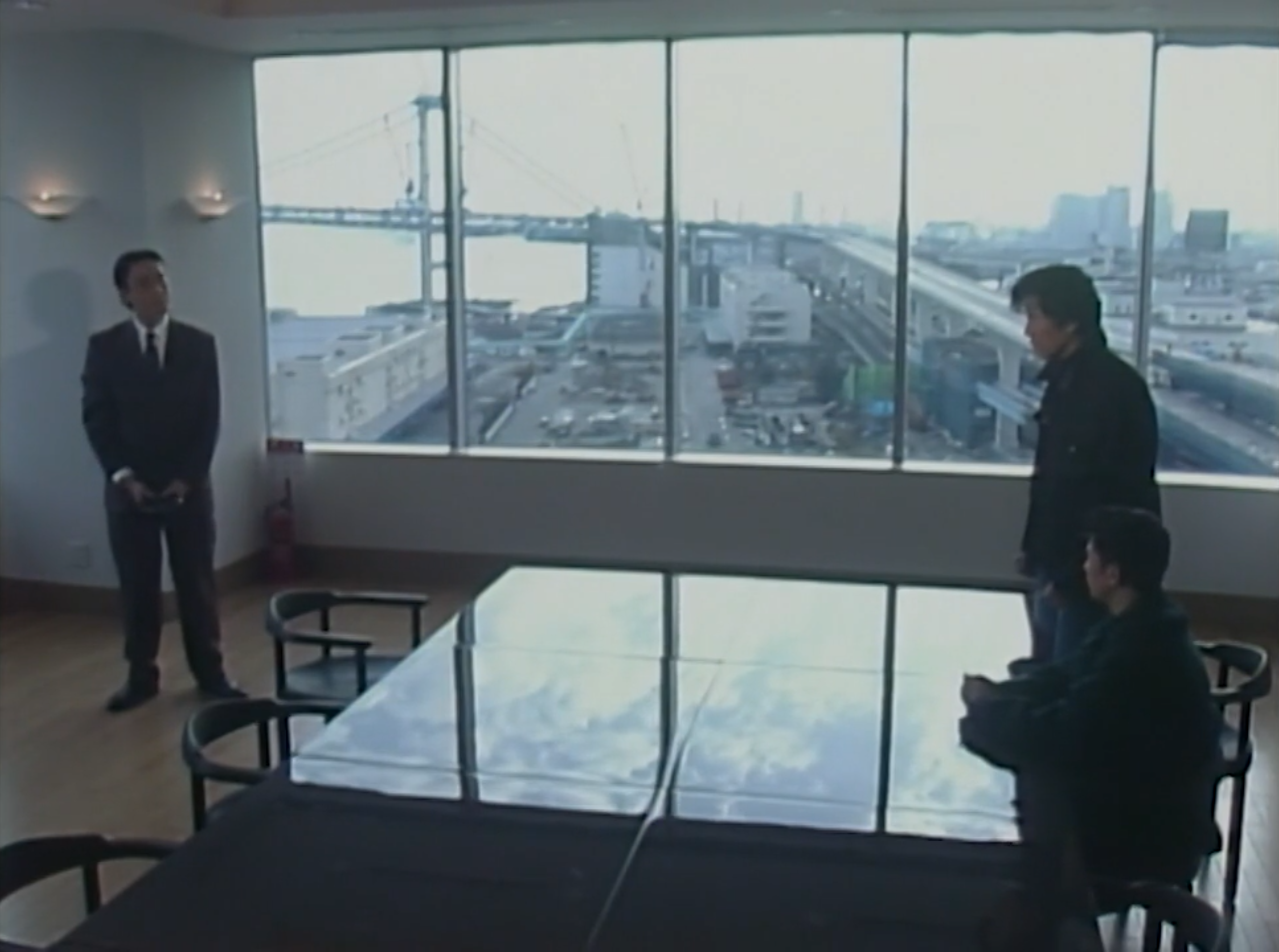
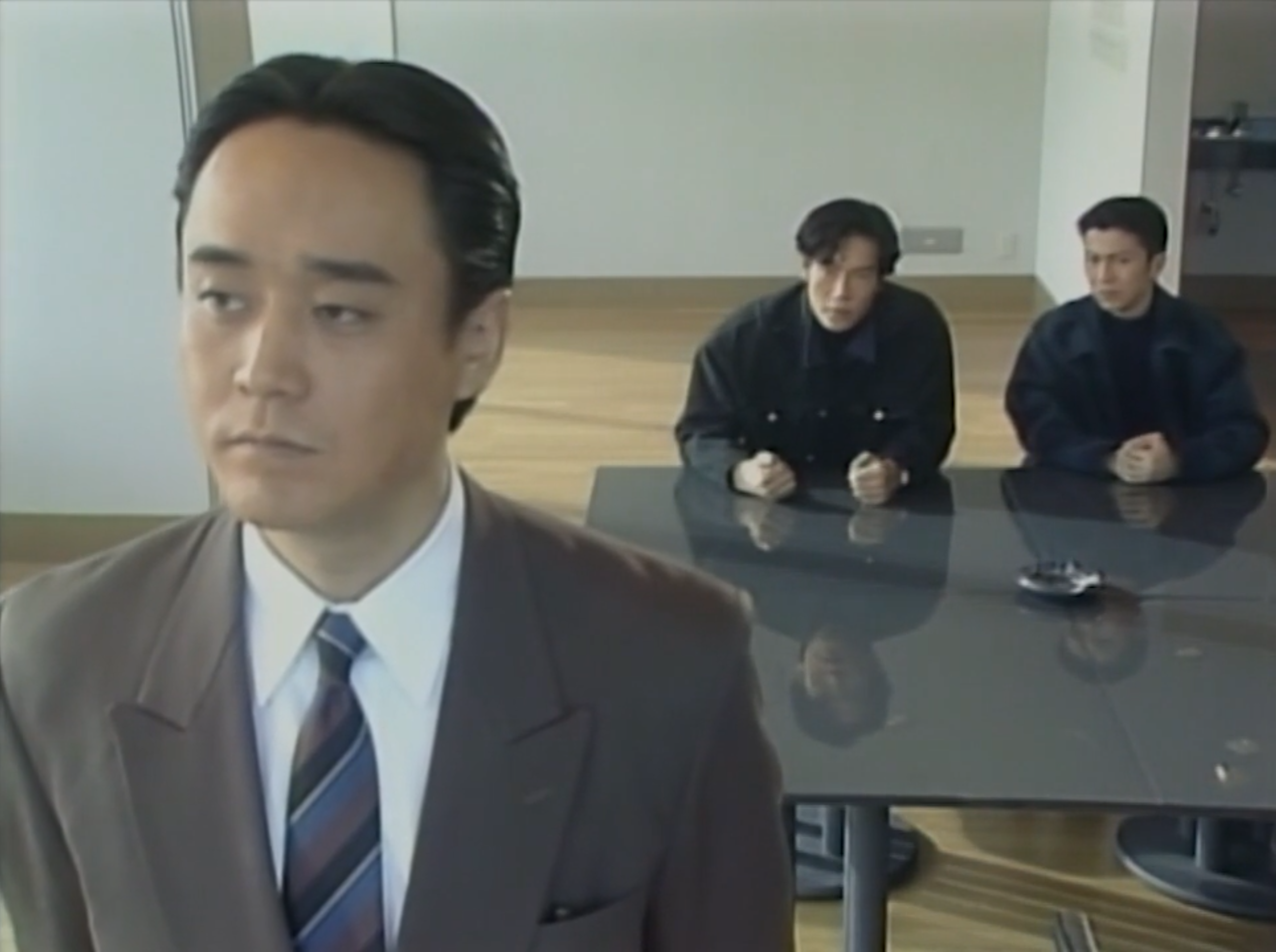
The brothers arrive at Kamiya’s office where he escorts them to a large meeting room. The brothers ask him to retract his prophecy in the hopes that this will dissuade Takaaki from continuing to try and kill Tomomi. Kamiya is calmly bemused that they would try and save her when this will mean their own death. At this, Naoya is overwhelmed with visions of the future Takaaki is attempting to prevent, with the containment breach of a mutated toxin virus bringing complete annihilation to the surrounding area. Naoto wonders if Naoya’s vision is merely Kamiya’s delusion, but Naoya insists it isn’t – he feels that being around Kamiya has instead amplified his precognitive ability.
Kamiya reveals that he didn’t tell Takaaki to kill Tomomi – rather, he “advised him that, rather than waiting for a tragic future, making a decision now would be a more noble way to live.” The brothers are affronted by his refusal to take responsibility for the ‘advice’, calling him arrogant for not acknowledging the power his words have over his followers. Kamiya and Naoya scrap over the trolley problem of the whole situation, while the lads’ earlier conversation comes back to the fore. When they question Kamiya’s abilities – how can his visions be proven true when they are avoided, for instance – he suggests something closer to a many worlds theory; “the future is not a single, fixed path”, where “foreseeing the future is the act of selecting one outcome from infinite possibilities.”
Naoto is infuriated at this, but Kamiya doesn’t flinch. “Even if the future changes, it simply means one option has been eliminated. The issue isn’t whether the prediction is right or wrong… it is a matter of will – of what one chooses.” Sweating, Naoya quietly replies – “‘Will’ … whose will is it, exactly?” Here, Kamiya tips his hand, implying a kind of soft theological determinism3 where his own omniscience makes him something of a God. But before Naoto’s anger can burst forth again, Naoya denies him – if precognition is a matter of choice, he chooses a future where Tomomi doesn’t die. Kamiya replies – “Then between yours and mine, it’s just a matter of whose will is stronger.”
Suddenly Naoya feels the terrible vision he saw before vanish, as Kamiya tells them that soon, “That woman will cease to exist.” The lads are speechless, and we cut to Tomomi and Takaaki on a rooftop where he tries to persuade her that he’s doing the right thing. He steps towards her menacingly, continuing to assert his love for her, and that someday she’ll understand – in the next life.
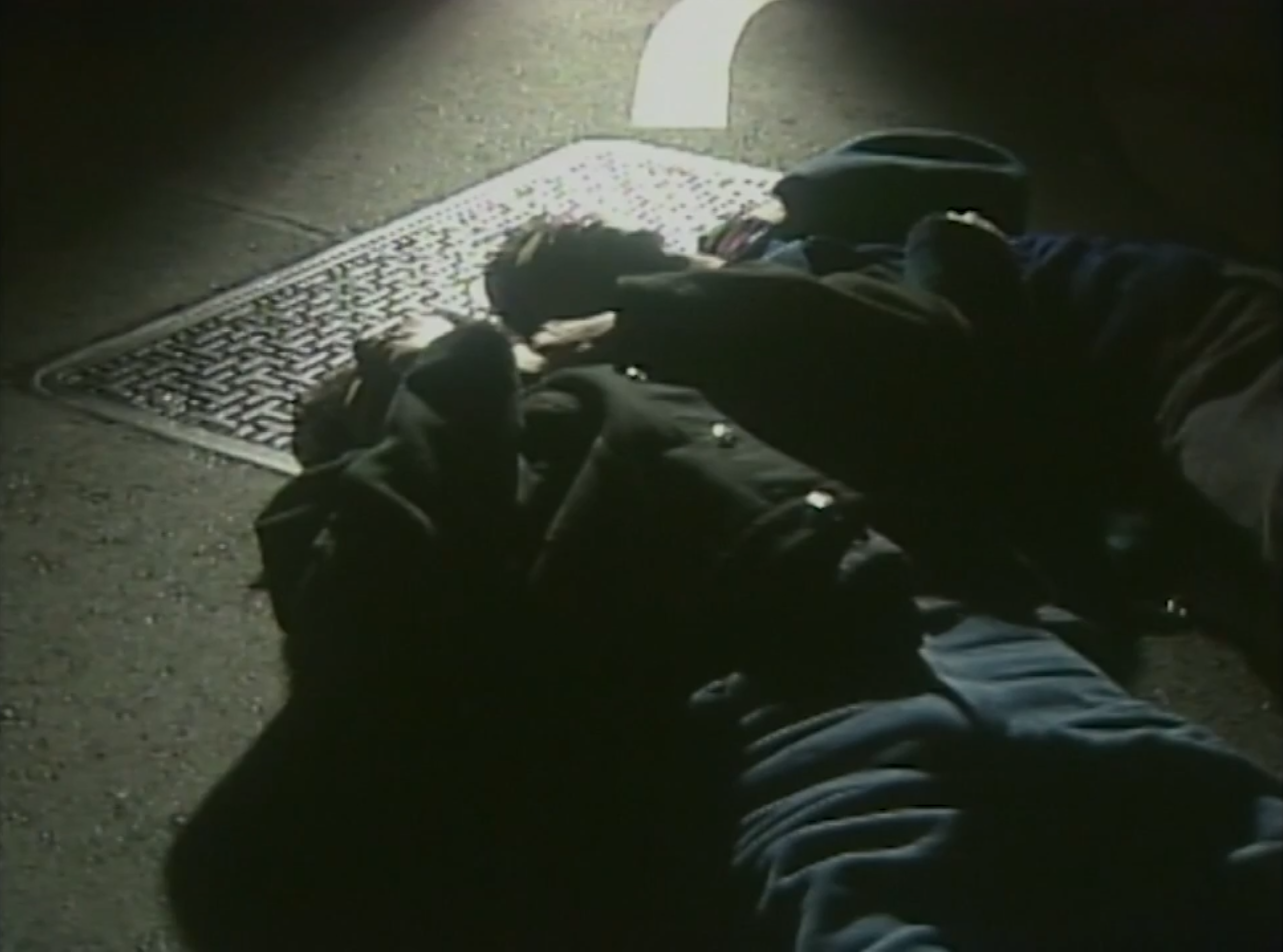
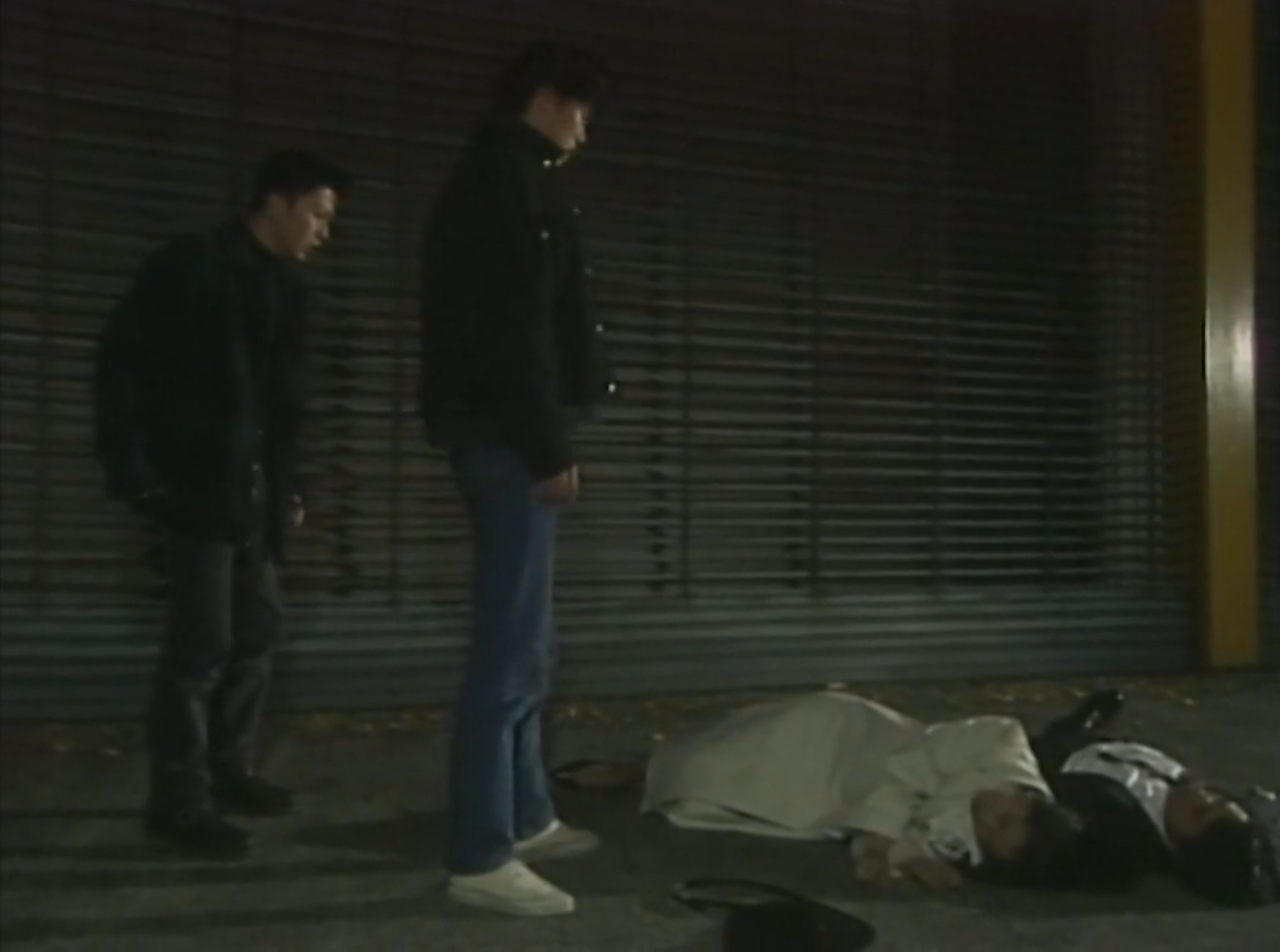
The brothers rush to the scene, Naoya gasping that he can sense they’re still alive, but then… they’re not. Takaaki opted for a murder-suicide, throwing himself off the roof and dragging Tomomi with him. They come upon their fallen bodies, and Naoya is staggered by grief – he laments that if his powers had only been stronger, perhaps he could have saved them… But Naoto isn’t even sure if that would have been the right thing to do.4
———————————————
Another tough episode for Naoya, though I’m not sure I care for how they’re developing his precognition – powers like this often serve expository purposes, which can get boring pretty fast. I thought it was more interesting in episode 2 when he wasn’t able to tell what was the future or not, and wish they’d stuck with that instead of leaning into prophecies… but with more new age mysticism on the horizon, I’m not holding out much hope.
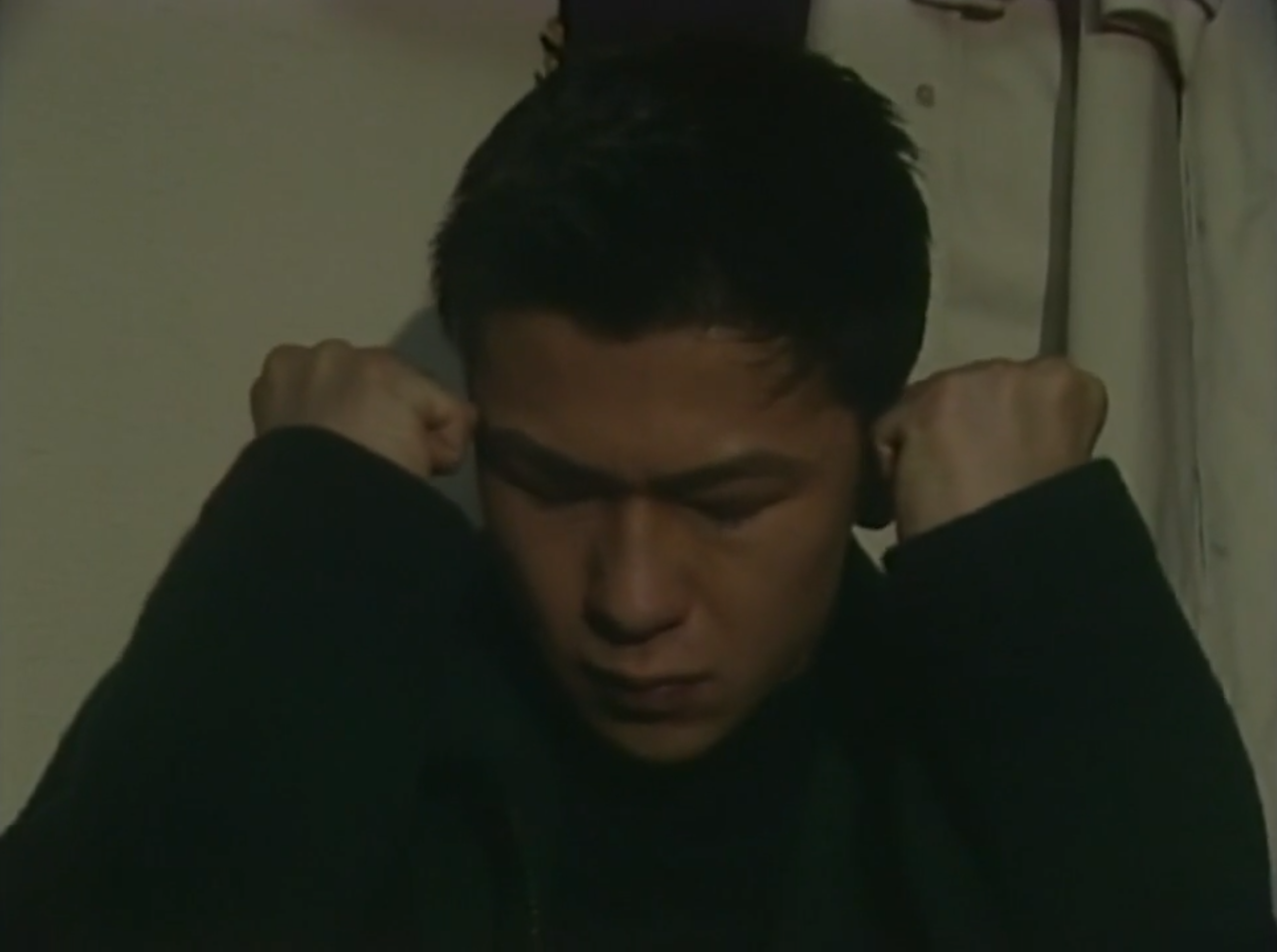
I did like that Naoya consistently found himself unable to help when someone has collapsed, because he can’t touch them. Early on he needs to call Naoto back when Tomomi faints, but later, when she is attacked, he also doesn’t know what to do – his bending to try and listen to her breathing to see if she’s still alive was a nice detail. We also see the introduction of them using their ‘fists’ to indicate that they’re attempting to use/control their powers. With Naoya, the timing tracks to the moment of ‘reading’, but Naoto pulls those things out as soon as he’s angry – it’s like he’s readying for a quickdraw!
An interesting textural nuance that I enjoyed was the continued emphasis that Naoto gets information from magazines – the fact that here it’s paired yet again with him falling back on information from Mikuriya is sweet, in a sad way. Try as he might to escape him, Mikuriya is a convenient narrative exposition tool – which leads to writing that perhaps accidentally forces Naoto to rely on him as a baseline for veracity. It’s not unrealistic, given that he was their captor and father figure for so many years, but I wonder if Naoto would be quite so quick to bring up things he learned from him as ‘the truth’.
- I was concerned that this would play a role in their envisioned death, but what Naoya saw was a fatal drug overdose. ↩︎
- c’mon guys, you need to take shifts… ↩︎
- I guess the term is ‘weak’ theological determinism… or is it fatalism? idk man I don’t really care much about this part of metaphysics. ↩︎
- Does this mean he’s starting to see things Kamiya’s way? Who knows! I find writing like this somewhat weak, in that I would rather have had Naoto be conflicted while making a choice himself, rather than having the choice made for him. ↩︎



Recent Comments