

Posted on August 2, 2026
NIGHT HEAD synopsis – episode 6
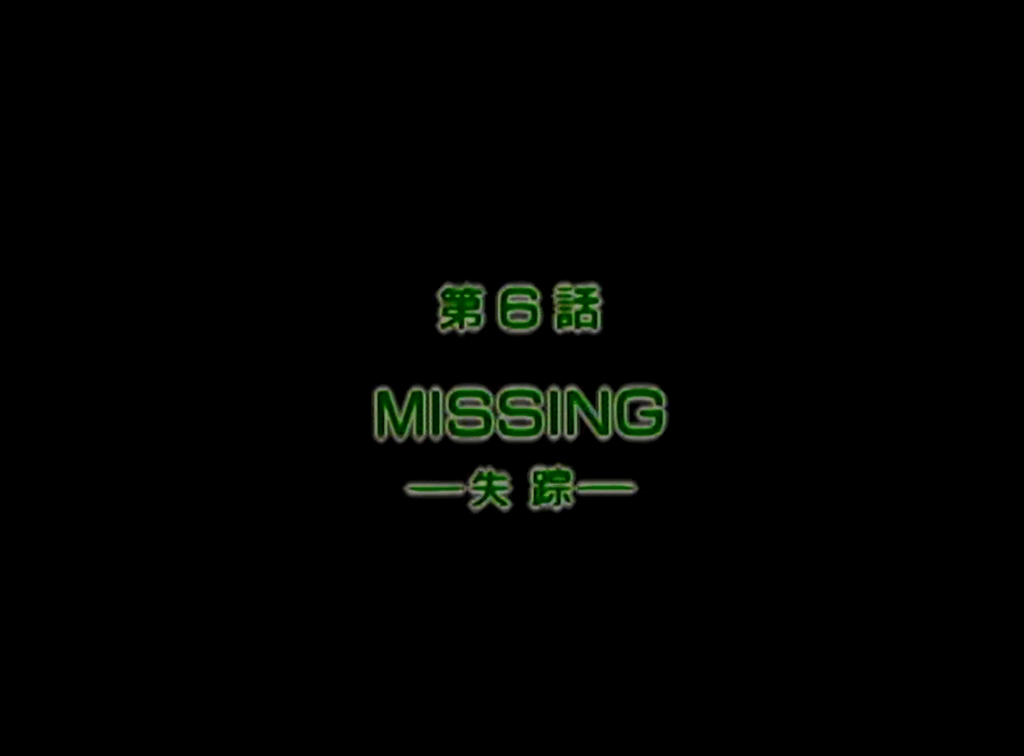
Episode 6 – Missing
broadcast date: November 11th 1992
Director: Katsuyuki Motohiro (本広克行) Screenplay: George Iida (飯田讓治)
Naoto Kirihara – Etsushi Toyokawa (豊川悦司)
Naoya Kirihara – Shinji Takeda (武田真治)
additional cast can be viewed here
This episode begins in the bedroom of a teen girl, sitting contemplatively at her desk. She takes down a large book, opening it to a letter placed inside: “To Miki” it’s addressed – from Shoko, the mysterious girl who disappeared. The letter predicts that in three weeks time, if Miki waits outside Shoko’s house, she will be able to meet the brothers. While Miki reads the letter unawares, the camera pans across to the ominous figure of Y standing behind her.
We change scenes to a daytime living room, where the brothers are flipping through Shoko’s notebook full of cryptic automatic writing. They are told by her quietly distraught mother that she’s shown the notebook to all kinds of people, such as archaeology professors and experts on ancient languages. She has learned that the notebook contains an ancient hieroglyphic script known as Rongorongo.1 Mixed in amongst the other characters, there’s some that have never been seen before – however, the experts believe that they hold no real meaning. The brothers look at each other with trepidation while Shoko’s mother, eyes filled with tears, gives them more details on the disappearance: the front door and windows were all locked, and Shoko’s wallet was still in her room. She quietly despairs – “where in the world could that girl have gone?”
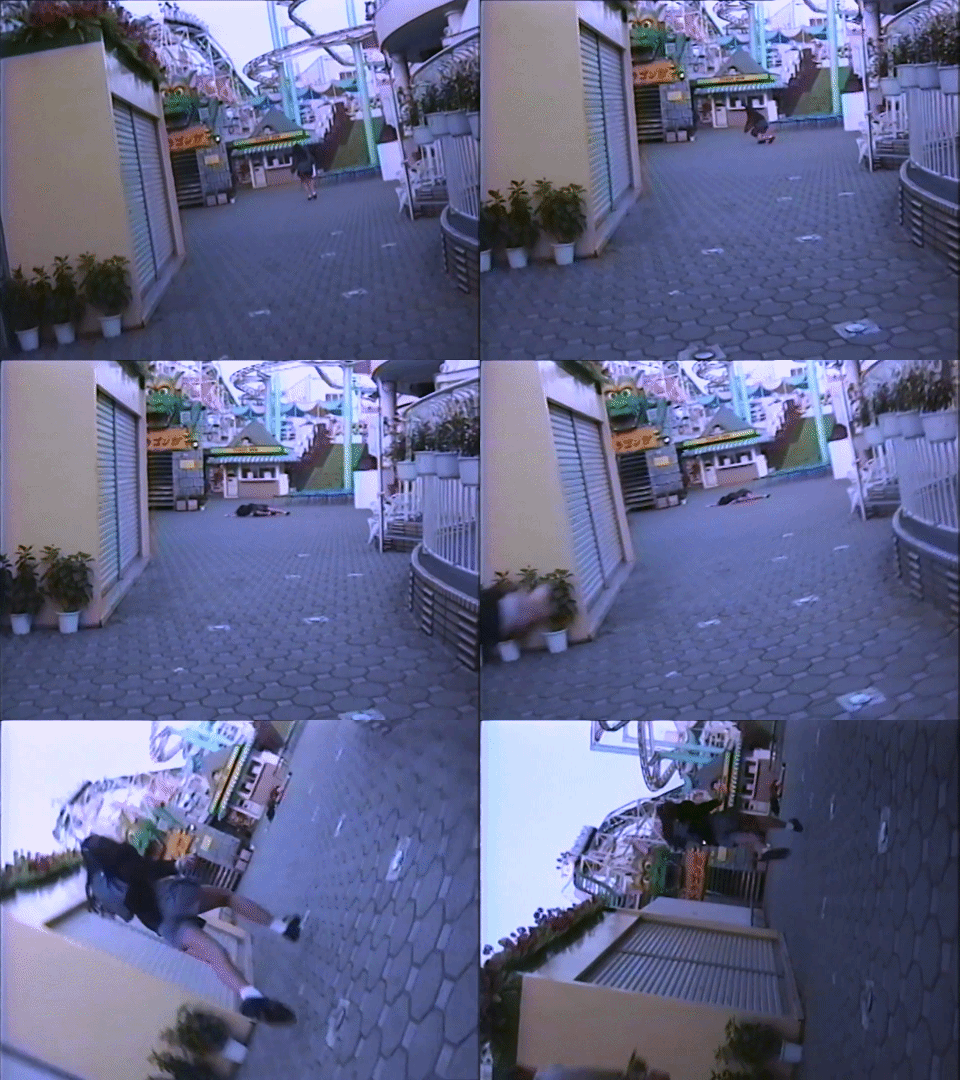
We then see home video footage of Shoko, a seemingly normal girl, playing around with her friends – eating crepes, riding rollercoasters, having a nice time. At a certain point, however, Shoko inexplicably collapses, and the camera drops, careening sideways as her friends rush over to help. “We took her to a hospital right away, but they couldn’t find any cause at all.” Her mother goes on to explain that they met Masayuki, the psychic boy from the previous episode, while camping – once he met Shoko, they were inseparable.
As the brothers leave Shoko’s house, Naoto wonders aloud where she might have gone – Naoya murmurs that she isn’t a runaway, to which Naoya agrees. Just then, they see the figure of Miki, waiting for them – “It’s just like Shoko said. She said if I came here, I’d be able to meet you.” The three head to a cafe, where Miki tells them more about the circumstances around Shoko’s disappearance – apparently, this isn’t the first time it’s happened. “I think it started about a year ago. Shoko would just disappear sometimes…” Up until now, this had gone unnoticed by her mother because Shoko would ‘disappear’ back to her own home, or somewhere else that made sense – “It happened a few times; whenever she came back, she’d tell me all sorts of things.” Curious, the brothers ask what sorts of things – at first these would be slight predictions; getting a love letter, good things to come. But on one occasion, Shoko desperately begged Miki to not let her family go on a vacation on a certain day. In the end, they avoided a catastrophe – a fifty-car pile up. Miki seems distressed as she explains that, whenever she tries to tell someone about this, they tell her it’s only a coincidence – but Naoya shakes his head. “It’s not a coincidence.”
From then, Shoko’s tales from her journeys became increasingly strange – meeting people from “so long ago that it doesn’t even appear in history textbooks”, or “seeing outer space”. But, what the lads really want to know about is what she had to say about themselves. Apparently, she explained that they’d escape from the lab in the mountains, but not much more – just that Miki could trust them, and they would trust her in return.
Miki moves on to describing the ways in which Shoko changed – starting to read “difficult books … Books on the paranormal, Bhagwan, Edgar Cayce… eventually, even foreign-language books on ancient civilizations.” At this, Miki pauses, thinking of Shoko gazing up into the sky – “I think Shoko knew she was going to disappear… She surely won’t be coming back this time.” Though Miki is visibly distressed, Naoya presses her again for anything Shoko may said about himself and his brother. Miki begins to murmur – “She said a transformation is coming soon… ’The two of them are just a little ahead of ordinary people—and while that has caused them suffering and deep pain, they are absolutely necessary for the great transformation that lies ahead.’ ” Naoto blusters. Necessary? Great transformation? What could this mean?
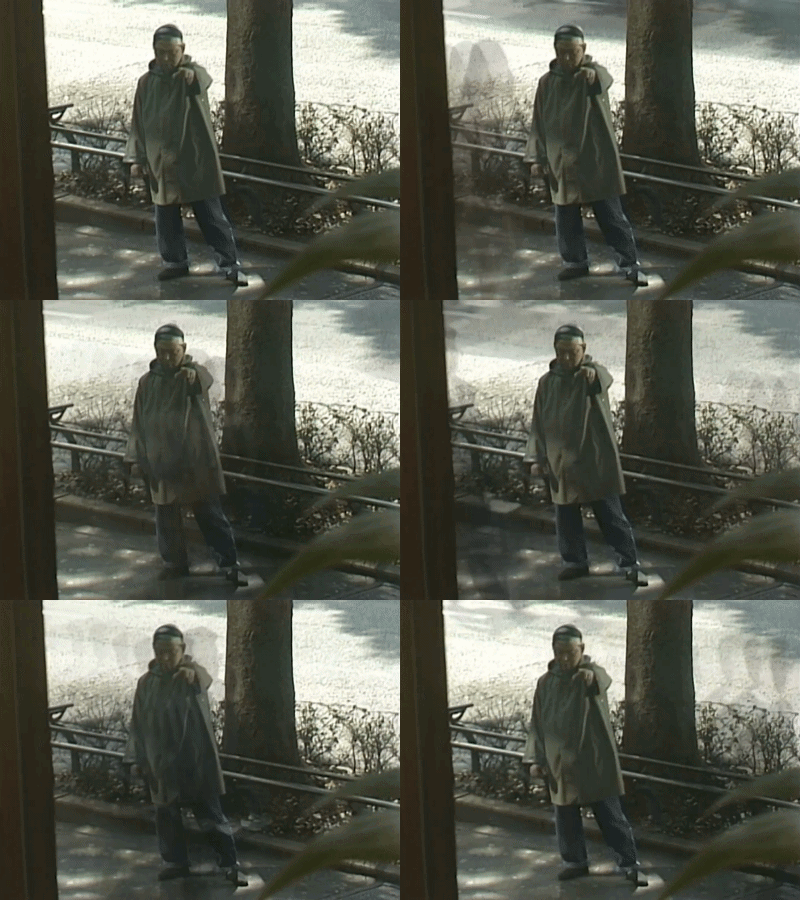
But Miki’s countenance has shifted – she raises her head, her eyes quivering, speaking in a voice other than her own: “For a time, we are in a transitional phase. Conflict is necessary for humanity to move from a state of material existence toward that of the spiritual.” Then, her index finger slowly points at the two of them. “Don’t forget this. Listen—not everything flows in a positive direction.” At this, Miki collapses, falling out of her chair to the floor. The lads are stunned, rushing to help, but outside the window they see the same ominous figure from Miki’s room – pointing directly at them. Naoto rushes outside, but Y is gone.
Having rushed Miki to the hospital, the lads sit in the waiting room, discussing her revelations. They find it strange that Shoko knew about Elder Misaki, the barrier he maintained throughout their time in the laboratory, and how his death allowed for their escape. Why did she disappear, and where has she gone? “One thing is certain – Shoko is no longer in this world.” Can they trust what Miki told them, when Y took over halfway through? Naoto ponders this, saying that whoever took over, “was aware he was a negative existence”2 – but in that case, what does it mean to be a “necessary existence”?
As Shoko’s mother arrives in a rush, they escort her to Miki’s hospital room, explaining that her own mother will arrive soon. Having just regained consciousness, they explain to her what happened at the cafe, but she seems worried – worried she’ll disappear, just like Shoko. Naoto reassures her – she isn’t going to disappear, and everything is alright. Even with Y’s interference, they still got her message from Shoko. At this, however, Shoko’s mother seems rattled – why did they get a message from Shoko? What is their connection with her daughter? She begins to raise her voice, demanding answers, and Miki tries to intervene, explaining that they’re not bad people.
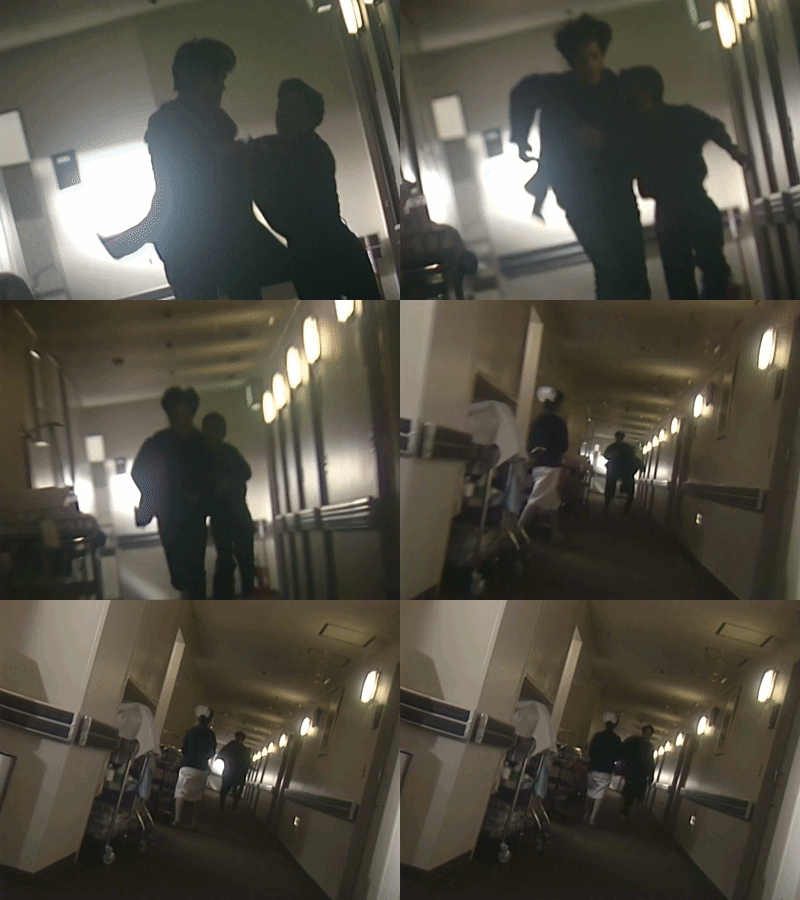
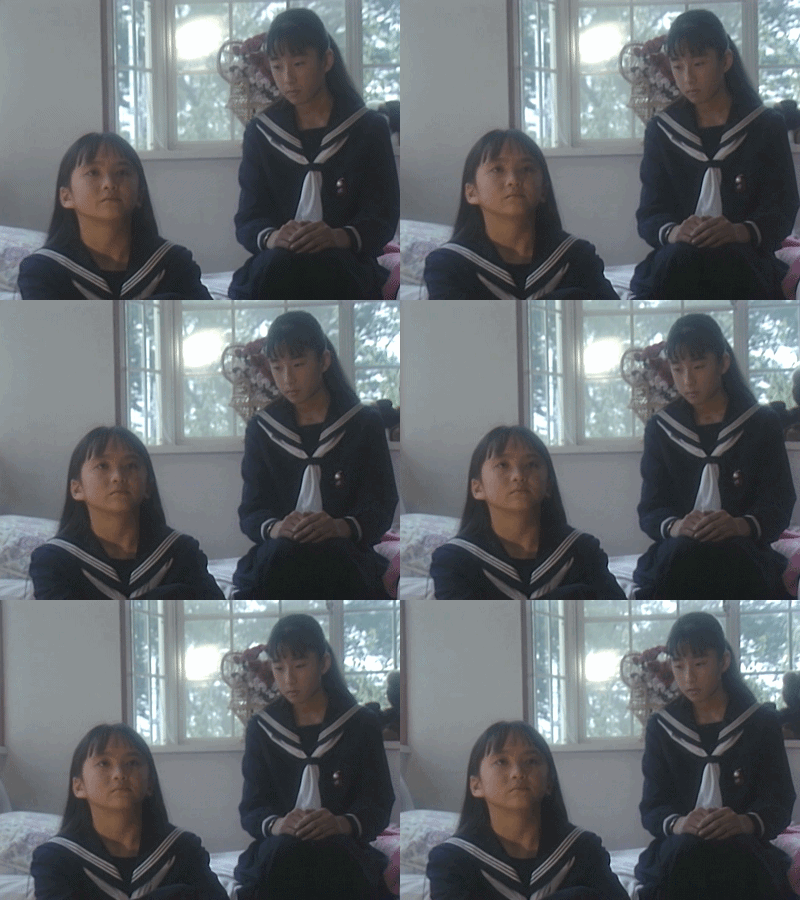
At that moment, Miki remembers that there was something else she was supposed to tell the brothers, on Shoko’s behalf: “the memories from your childhood aren’t a lie.” The brothers are momentarily stunned, asking if this is true, and Miki suddenly sits bolt upright, staring fixedly at the ceiling. Her voice gains that same metallic twang from before as she answers – “that’s right.” Naoto, frozen in shock, suddenly leaps on to the bed, throttling the girl as he shouts in her face – “WHO ARE YOU?”
After a frantic tussle with Shoko’s mother, Miki shrieking along beside, the lads extricate themselves and run away from the hospital.
They escape to a park – their usual place of respite – and calm down, sitting on a bench. Naoto, pained and embarrassed at his outburst, begins to reminisce. “Back in elementary school, I started breaking things and hurting people whenever I got angry. I was banned from school, so I spent my days confined at home, constantly suppressing my rage. And you – because your ‘reading’ ability developed too intensely, you became catatonic and were institutionalized. Fifteen years ago Mikuriya came to get us … but there’s absolutely no trace of us having lived in the outside world back then.” Naoto lashed out, hurting Miki, because of what felt like a taunt from the mysterious Y – how did he know the truth of their past when they don’t? Or… was it Shoko who knew? “Are our memories real? … What on earth are we? Why are we here – for what purpose?” To this, Naoya responds that knowing the reason for Shoko’s disappearance may hold some of the answers.
Just then, they feel a presence – they look up to see Elder Misaki, smiling benevolently at them before fading away into the trees. They are simultaneously struck by a different presence, and turn slowly to the formerly empty bench next to them. Now, Shoko sits by their side. Without wasting any time, Naoto demands answers. What did she mean by “transformation”? What does it mean to be a “necessary existence”? In response, she just stares at them glumly.
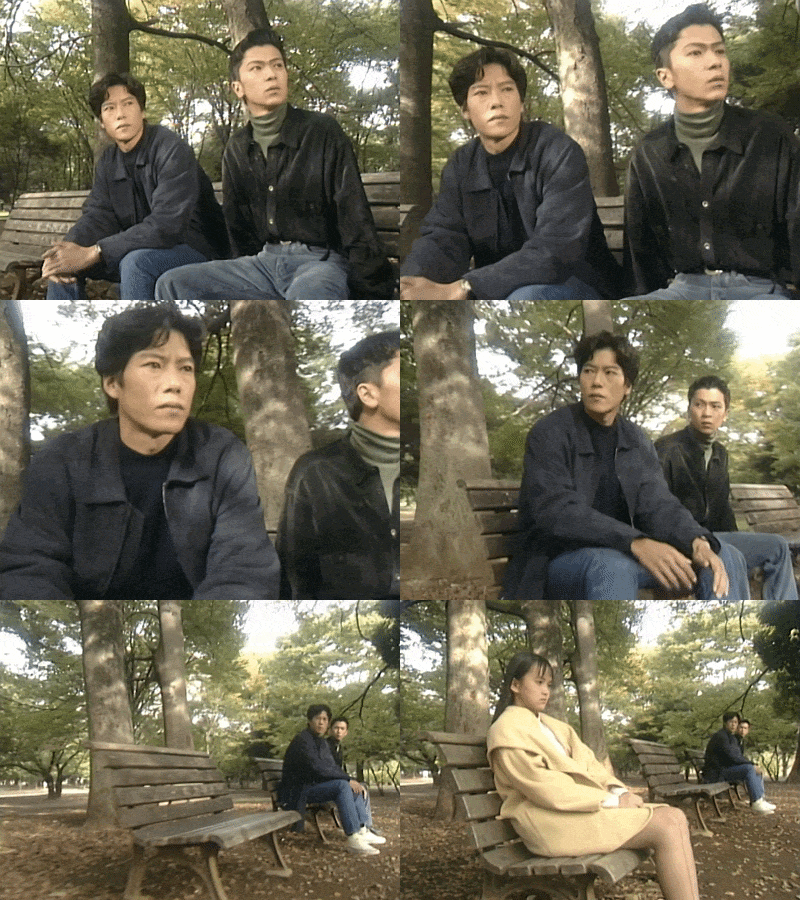
“Why are you here?” Naoto continues – to this, she simply replies, “I still don’t even understand myself … I think I, too, am a being of the transitional period. I am inside the ‘distortion’ that connects all worlds. Here, things like time, quantity and distance don’t exist. That’s why I can see and feel so many things all at once.” With a hopeful insistence, Naoto begs for her to answer their questions, but she just shakes her head. She doesn’t know the answers yet. At the very least, they ask – what about the message she left them? Firmly, she responds: “Those aren’t my words … they don’t belong to anyone.”
Quickly, she pivots – she has a request of them. But at that very moment, she begins to fade out, disappearing yet again – her ask swallowed up. But Naoya conveniently heard it all in time – their presence drew in Y like negative energy, and she wants them to protect Miki, as he intends to kill her and turn the grief felt by them all into his own source of power.
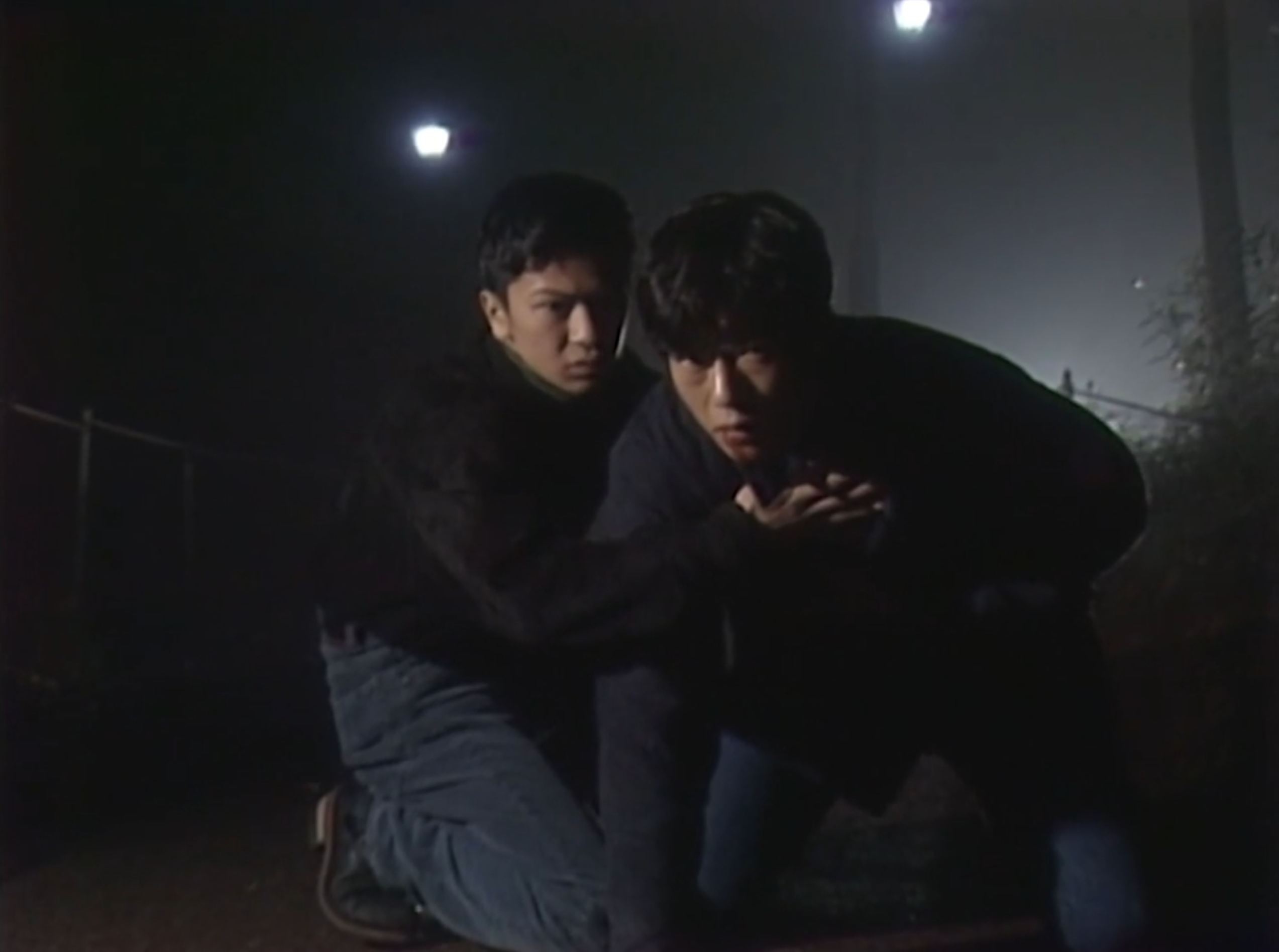
As Shoko suspected, Y turns up at Miki’s house, attempting to strangle her before being psychically held off by Naoto. They demand to know who he is, but he refuses to answer – instead, beginning a psychic showdown between himself and Naoto which he only barely seems to lose. Naoto is nearly incapacitated, spitting up blood, when Y finally responds.
“Why do you think the past changed? During the fifteen years you spent with Mikuriya, it changed because that’s what you wanted. You didn’t want the father and mother who abandoned you to exist. Because that is the kind of world you two desired.” As Y disappears, Naoto, shocked, wails that this can’t be, before falling to his knees in a faint – his younger brother calling out to him in distress.
———————————————
And so we see the New Age content beginning to permeate, almost tipping straight into conspiracy territory – as I mentioned before, my problem with this lies in the way George just slides pre-established concepts and worldviews in without really explaining or expanding on them. I find this particularly egregious with the use of real world people (Bhagwan, Edgar Cayce) if not outright lazy. I have a lot of thoughts on this that I will expand on as the series develops, but for now, I believe that part of the reason for this was his lack of experience in balancing the research with the writing of television scripts, especially while the show itself was in production. In his memoir George Iida talks about NIGHT HEAD3, he mentions that it was around this time he began reading books on spiritualism and the paranormal –
“That was a time when the term “New Age” was gaining currency, and ideas generally categorized as “spiritual” were—albeit gradually—beginning to take hold. I devoured a wide variety of books, though I certainly didn’t grasp every single detail … Though my thinking was still quite immature, I had begun to ponder such ideas. And, despite that immaturity, I incorporated those very essences into the story of NIGHT HEAD … This overarching narrative was crafted little by little as I wrote each thirty-minute script one by one.”
We’ve all been engrossed in a project and its research and then put in citations without really unpacking them enough because we’re too excited, right? But I think this is a detriment to the series, in many ways. Rather than taking the time to craft a unique worldview and universe that was his own here, George was only able to tack on the proselytizing of others, leaving what ought to have been grand reveals pretty empty and short-sighted. I’m not saying that the use of theories or logic from other authors is what’s wrong, of course – it’s really the lack of finesse that undoes itself. An example that comes to mind where this works better from a critical standpoint would be True Detective season 1, which from what I understand dips heavily into philosophical pessimism through the works of a broad variety of dense literary material. But, that works because it’s teased out throughout the season through motif and allusion. They don’t exactly have a scene where Cohle sits Hart down to infodump about Schopenhauer and Deleuze by name, y’know?4
One more important thing worth mentioning here is that, during their forest reminiscence, Naoto actually uses the word 「自閉症」(‘autistic’) to describe what Naoya temporarily ‘became’. This is what I would describe as an anachronistic description of something closer to catatonia – by our current understanding, you don’t ‘become’ autistic, nor is it something you ‘recover from’. But, oddly enough, I have noticed that it was fairly commonly linked with the negative effects of superfluous psychic forces in older media. Take this moment from The Shining5: Danny, a young telepathic boy, has been taken to the doctor by his mother, fearing for him as he has begun to be overwhelmed by the forces of the Overlook Hotel. His mother asks in terror if he will “become autistic”: “She had read about autism. The word itself frightened her; it sounded like a dread and white silence.”
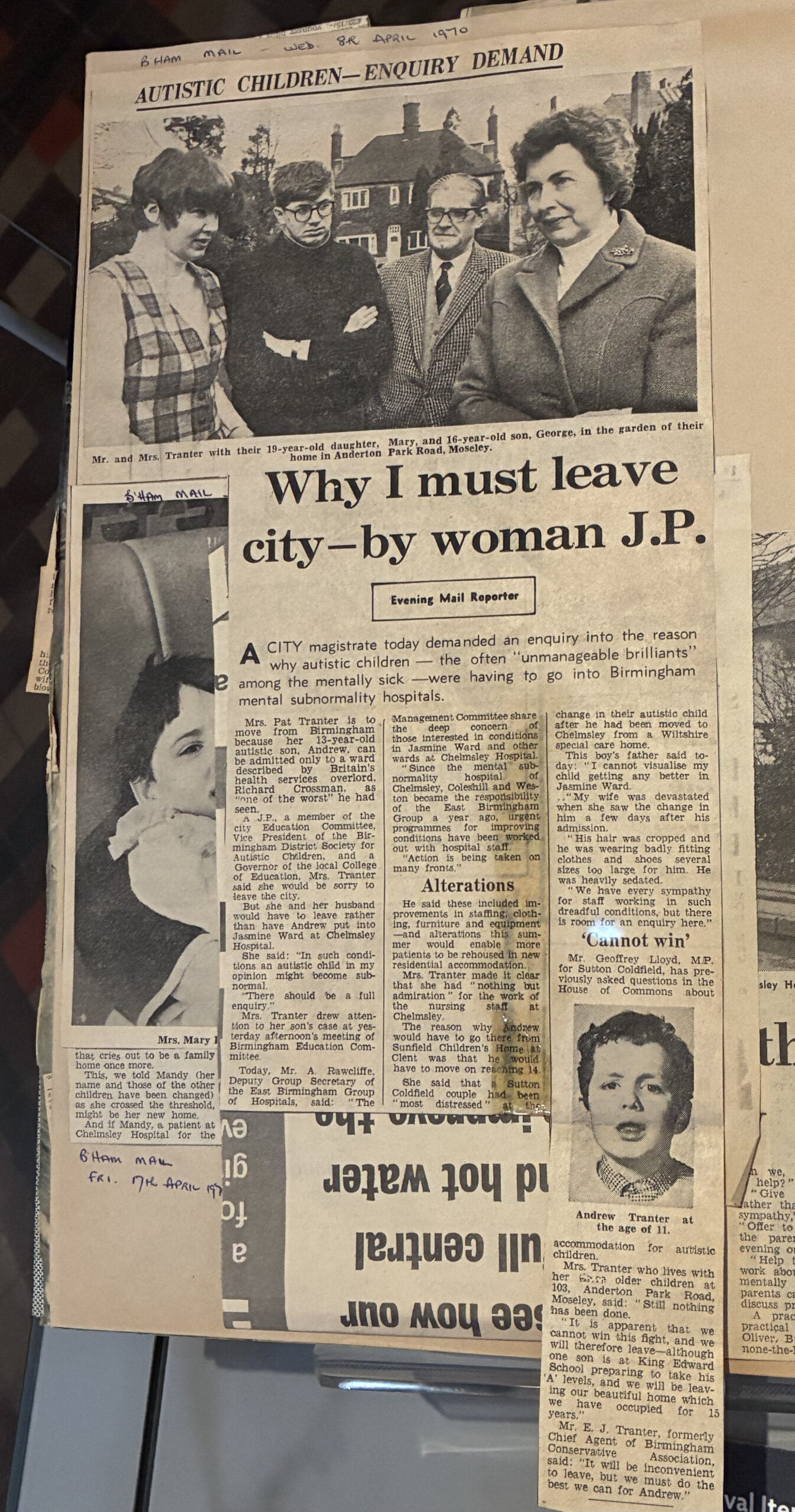
I don’t read anything malicious or cruel in George’s use of the term – it was 1992, and people used it differently. But what interests me is that, by our current diagnostic criteria, the brothers do actually exhibit some behaviors and reactions we would associate with autism: meltdowns and sensory overload in particular, among others. It’s also true that autistic kids have, historically, been institutionalized.6 How interesting to imagine the given narrative expanding to incorporate psychic powers as a metaphor for neurodivergence – as an aspect of the very strength and weakness I described previously. Considering their escape from institutionalization was a desperate attempt to live in a world that feels too loud and painful to accept them, I feel like it’s a reasonable interpretation to take along with us – and, one that adds more nuance than some of the other themes we’ve been given in this episode.
- This is real! I believe it’s the alphabet that appears under the end credits as well. ↩︎
- Bit on the nose, George… ↩︎
- Chapter 20 ↩︎
- And like honestly, George doesn’t even infodump about these guys – just rattles off lists of names. C’mon now. ↩︎
- The book, of course – but I read the epub, so it’s difficult to say what page it was. As far as I can tell, it was on page 149 of this signet edition; you extrapolate from there! ↩︎
- I saw this article just the other day in a museum, and my mind went straight to NH:
↩︎



Recent Comments