

Posted on September 16, 2026
NIGHT HEAD synopsis – episode 18

Episode 18 – Gifted
broadcast date: february 25th 1993
Director: Katsuyuki Motohiro (本広克行)
Screenplay: George Iida (飯田譲治)
Naoto Kirihara – Etsushi Toyokawa (豊川悦司)
Naoya Kirihara – Shinji Takeda (武田真治)
additional cast can be viewed here
Trigger warning: psychic compulsion/mind control, molestation, sexual harassment
Deep Forest;
Beyond this lies the place where Naoto and Naoya used to live.
The sky gleams through layers upon layers of leaves.
Elder Misaki’s withered hand comes into view, then fades away.
Naoya: “Was the barrier Old Man Misaki created actually protecting us? … Does that mean we weren’t actually being held captive by Mikuriya-san?”
(Dark room)
The two of them are sitting on the edge of the bed.
They are deep in thought.
Naoto turns a serious look toward Naoya.
Naoto: “…Shall we go see Mikuriya?”
Naoya feels he has no choice but to agree, yet cannot bring himself to say ‘yes’ immediately.
The two of them sit facing each other in silence.
Just then, the phone rings.
The lads seem perturbed by this sudden call, but Naoto answers it cautiously. He’s greeted by a polite young man who explains that he would like to request the brothers’ help with the research he’s conducting on psychic channelling. In a surprise twist, he tells them that he was referred to them by Mikuriya – something that’s never happened before.
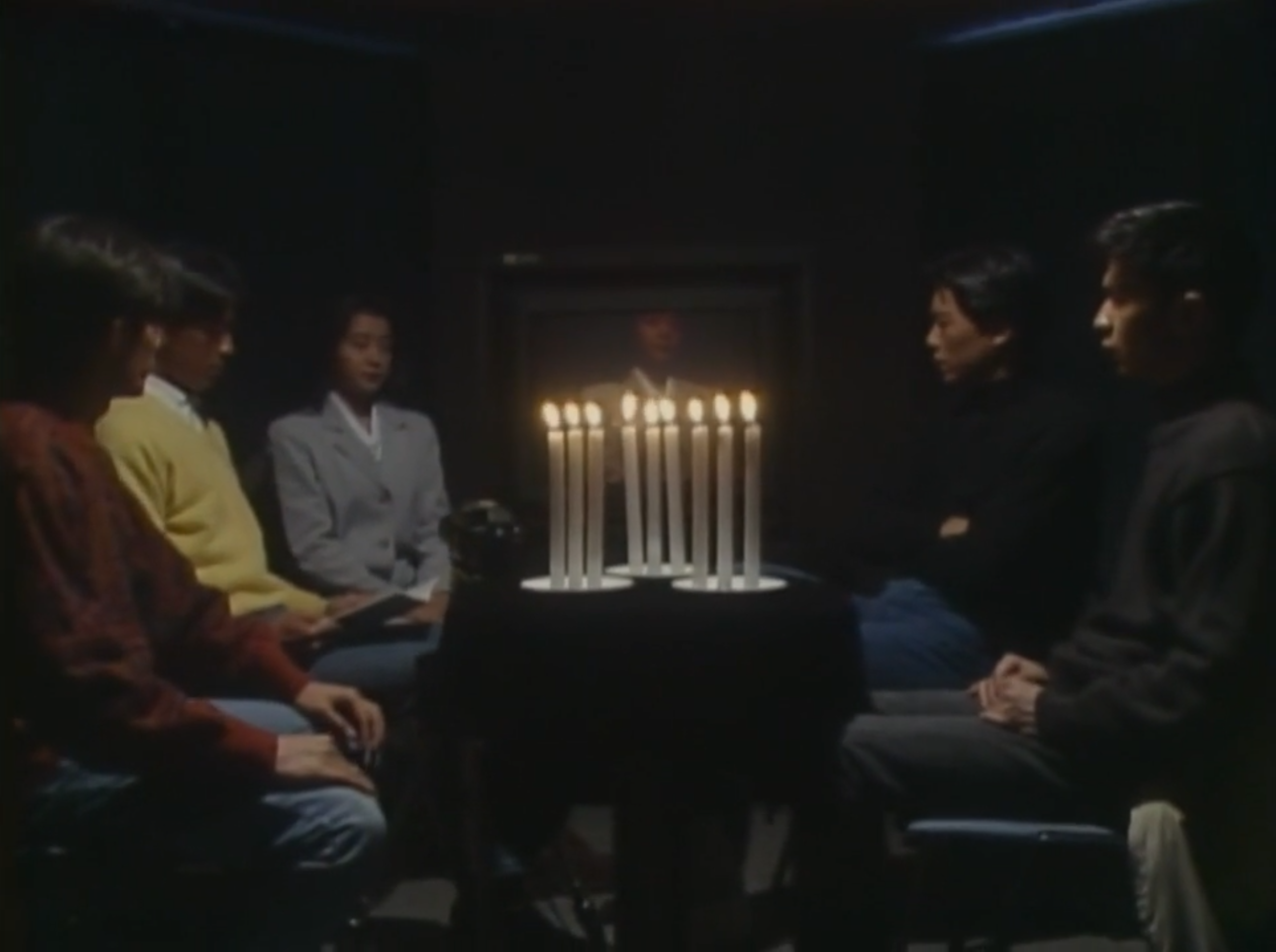
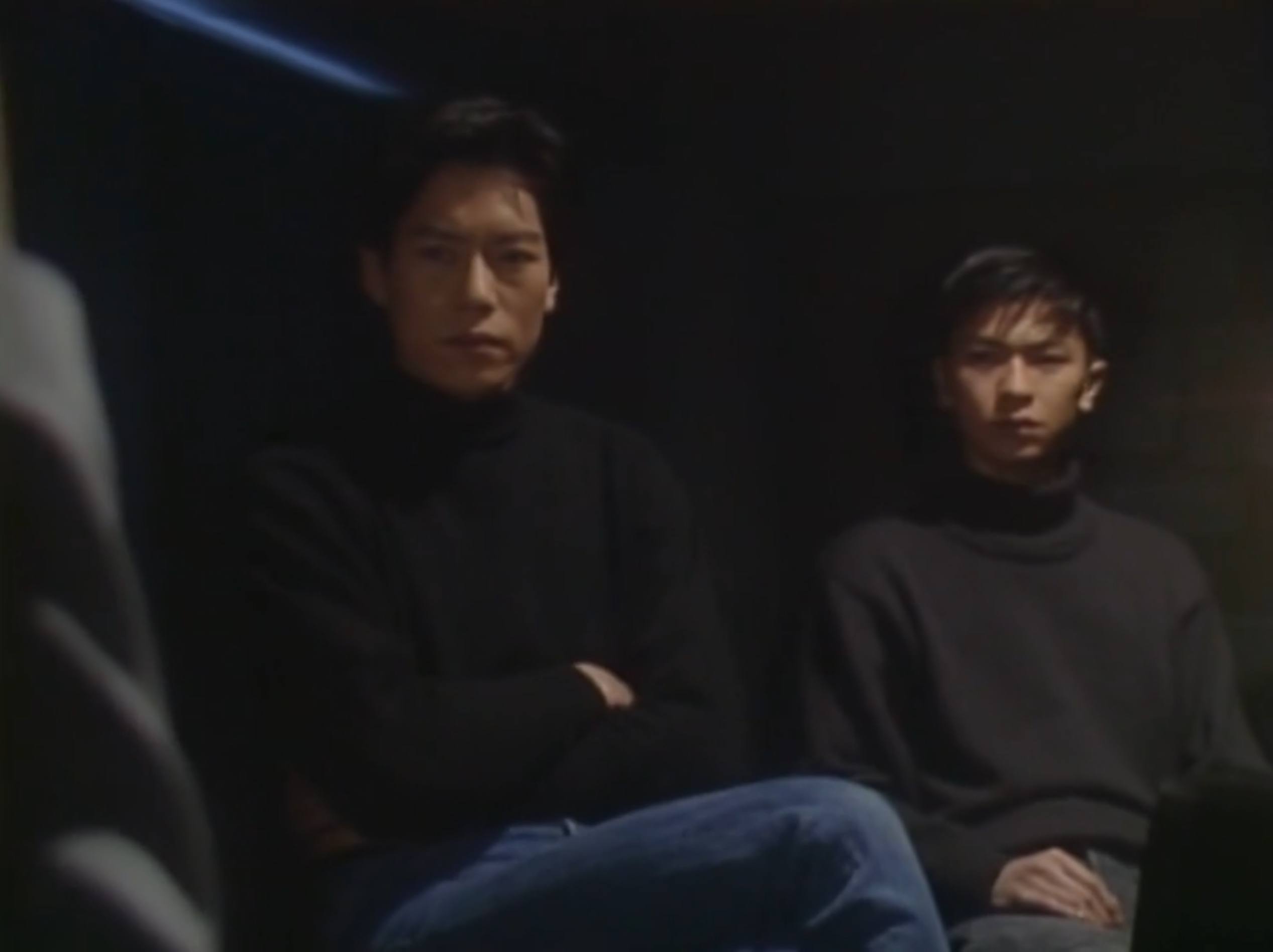
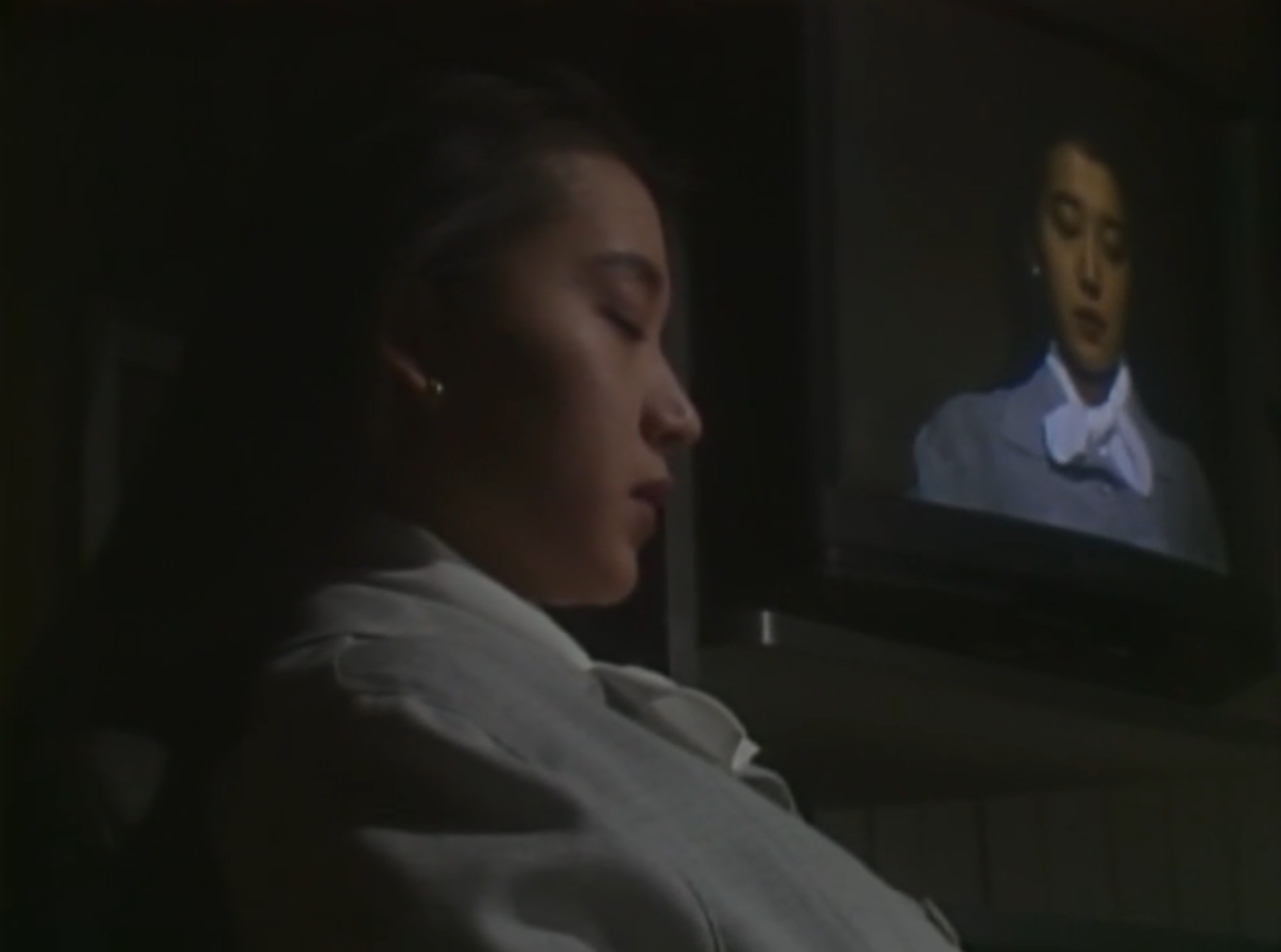
They agree to meet with his research group and are introduced to three preppy co-eds – the lone young woman in the group, Aya, recently discovered that she is a ‘channeler’ who can communicate with extraterrestrial beings. Seated in a dark, candle-lit room with a video camera and monitor focused on her, they quickly initiate contact. As Aya falls into a swoon, her voice taking on a strange, tinny quality, they are further introduced to Aya’s cosmic counterpart: Irving. Irving begins to elaborate on their 4th dimensional perspective on the delineations of the ‘worth’ of the human soul, as well as past life regression, while Aya’s classmates – Kishimoto and Yoshii – ask follow-up questions. From this, they learn that the three students were apparently in a love triangle in a past life in ancient Rome. The brothers look on, impassively.
Following this session, they sit with the group for coffee where they learn that Aya retains no memory of her channelling afterwards. The students ask the brothers what they thought of the experience, and Naoto defers to Naoya whose powers are better suited to the task. Naoya tells them that he couldn’t tell if Irving was an extraterrestrial entity or not, but he’s sure that some other consciousness was present within Aya. Naoto asks Yoshii how he he’s connected with Mikuriya, and the strange way he prevaricates on details makes Naoya look at him with suspicion.
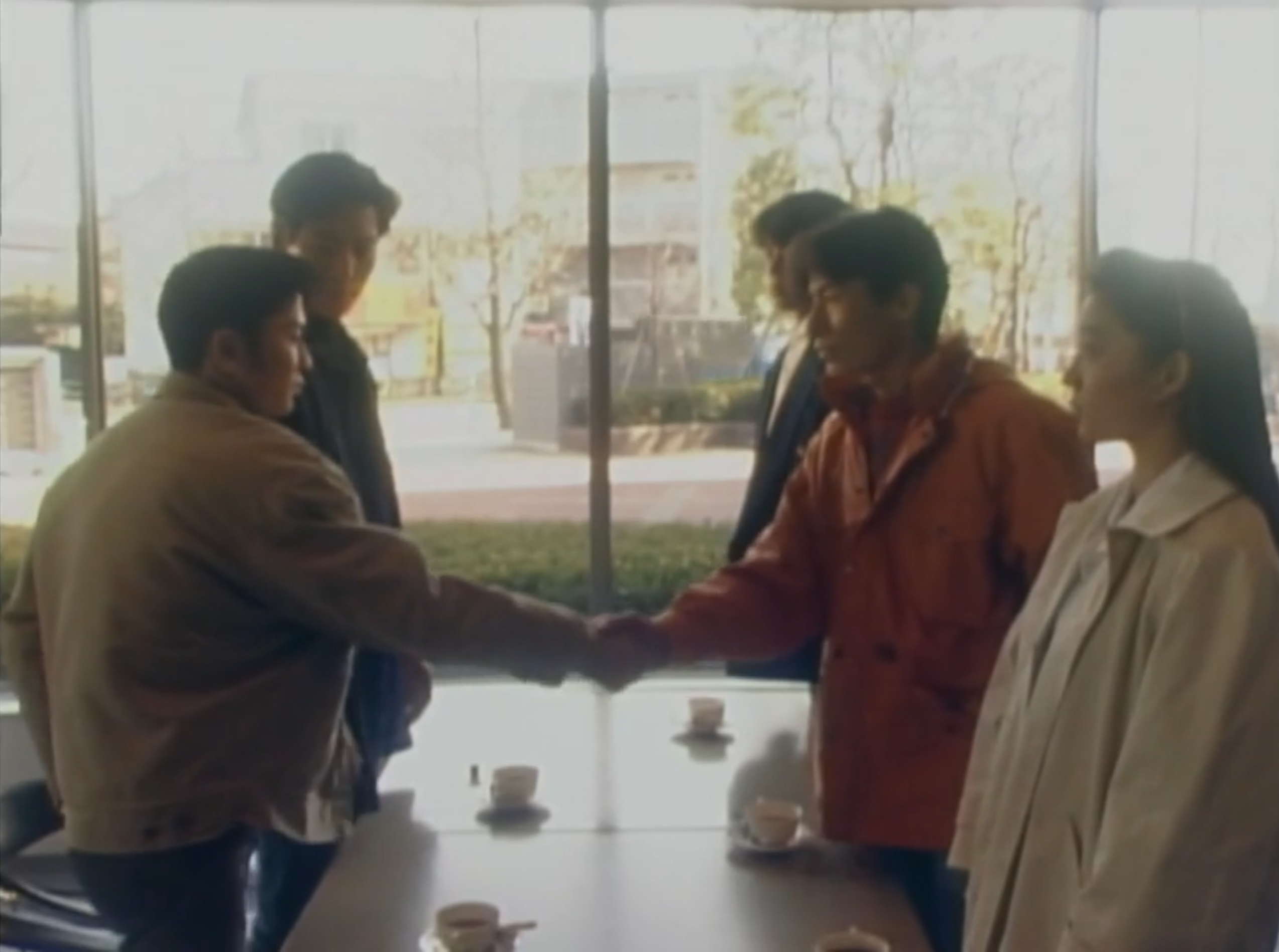
They ask when the next channeling session will be, and are invited to return the next day. As they rise to leave, Yoshii goes to shake their hands. As he reaches out to Naoya, his older brother tries to step in – but Naoya says he’s fine, grasping Yoshii’s hand in return. At this, the two brothers share a look.
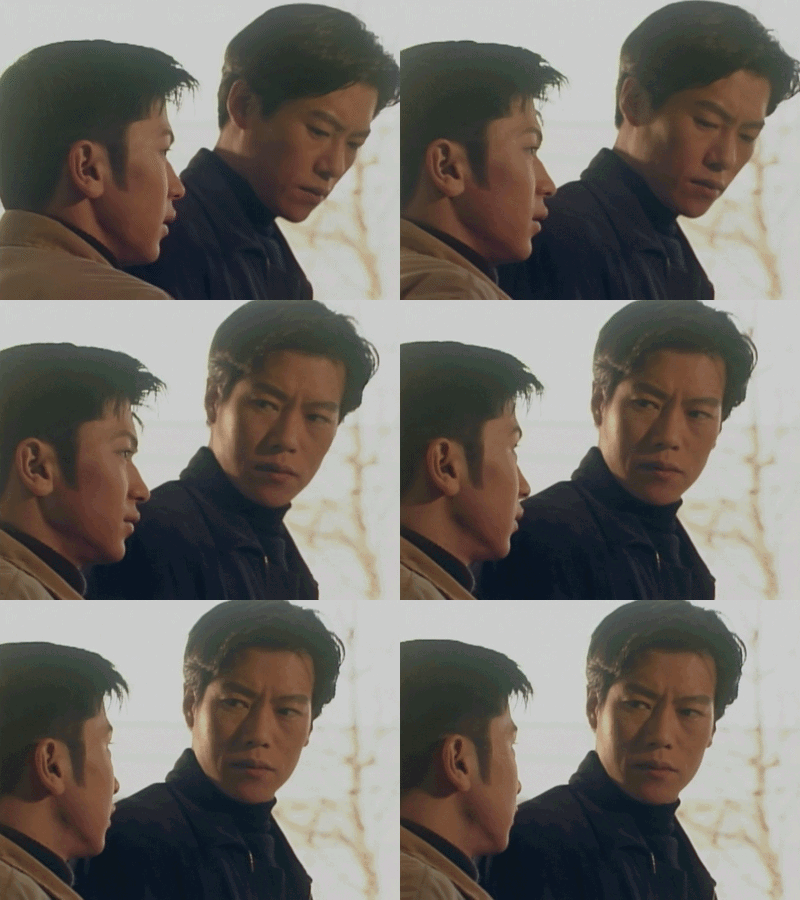
Walking outside, a concerned Naoto asks his younger brother if he was alright back there, shaking hands. Naoya explains that he’s getting better at preparing himself for certain physical contact so that his powers don’t shock his system through invasive ‘reading’. Despite the enormity of this progress, Naoto quickly moves on – asking why Yoshii told such an obvious lie about how he knew Mikuriya. Naoya confirms that he could sense it was a lie, but even then couldn’t tell what the truth actually was. He finds it equally strange that the students would have had access to their contact information. While he asserts that he didn’t sense they were bad people, he did ‘read’ Aya as having a tendency toward delusions – though not quite so far as full-blown mental illness.
Naoto wonders aloud if Irving is truly an extraterrestrial being, while Naoya says that he didn’t agree with much of what they had to say, to which his older brother agrees. They decide the best course of action is to try and contact Mikuriya via Mariko, back at the research facility. But on their return to their hotel room, their call goes unanswered – not just by Mariko, but by anyone. The two seem unnerved by the grim implications this brings.
The next day, the lads attend their second channeling session. Here, they learn from Irving that they were in fact the one that asked Yoshii to contact the brothers, and who told him to mention Mikuriya’s name. Naoto’s attitude shifts to one of brusque caution, inquiring what exactly it is that Irving wants with them. To help them, Irving replies – because they’re lost.
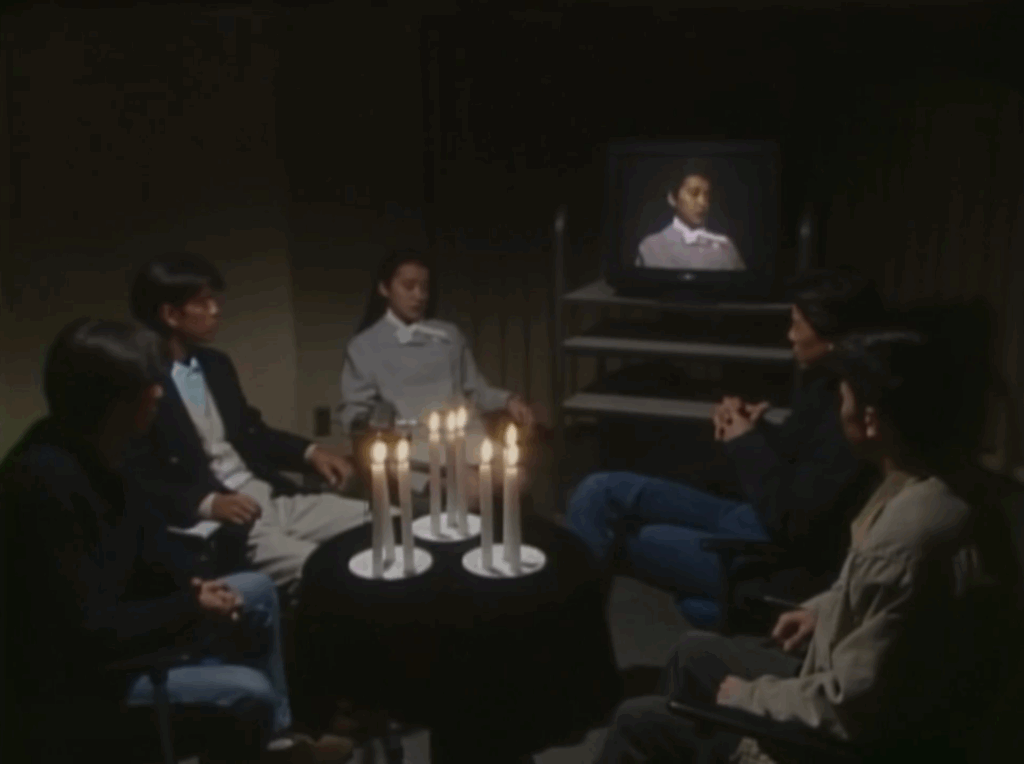
Irving continues to explain similar themes from the day before, but now centering around the brothers and their importance. Souls have values and ranks, apparently – something that makes Yoshii cut in to ask if that means that human beings aren’t equal. Aya-as-Irving turns to him in frustration and snaps that this is exactly what they mean – they believe that’s evident just by looking at the world as it is now. At this, Kishimoto and Yoshii share a look of confusion.
Irving turns their attention back to the brothers, telling them that despite belonging to a higher order of souls, they harbor a sense of inferiority – which is where their ‘problem’ lies. Irving describes this as an inferiority complex, as well as a huge mistake. When Naoya asks what they’re meant to do instead, Irving says it’s quite simple: they aren’t inferior to other humans, but in fact, superior. They simply need to embrace that warranted sense of superiority. Going against what they’ve learned from Shoko, Irving compels them to harbor a stronger desire for the material world, which neither brother seems impressed by.
As the brothers continue to respond with skepticism, Aya-as-Irving begins to show some signs of agitation, both their hands and raised voice quavering. Suddenly, Aya’s connection with Irving is lost. She slumps over in her chair while her two classmates rush to her aid, deeply concerned – this has never happened before, they explain. But Aya wakes up just fine, blinking at them in confusion.
Following a brief interlude where the brothers decide to keep investigating the situation, we cut to the following day where they attend their third session. Irving says that they ought to start with any questions the lads have. They begin an increasingly terse dialogue with the cosmic being who continues to suggest that they ought to think of themselves as superior and act on their own desires. When Naoya asks Irving if they know anything about ‘transformation’, they appear flustered – but then insist that there is no such thing.
When Naoto asks Irving more about Mikuriya, Naoya senses an unspoken shift in Irving’s emotions. When an increasingly angry Naoto asks to know Mikuriya’s whereabouts, Aya-as-Irving again grows agitated, nearly shouting at them to listen. But it all suddenly clicks for Naoya, who tells them that they’re no extraterrestrial being. The particular way they felt about Mikuriya came through to Naoya as they were speaking, and it was a human emotion – it was hatred. Her eyes snapping open, Naoto asks the possessed girl: who are they?
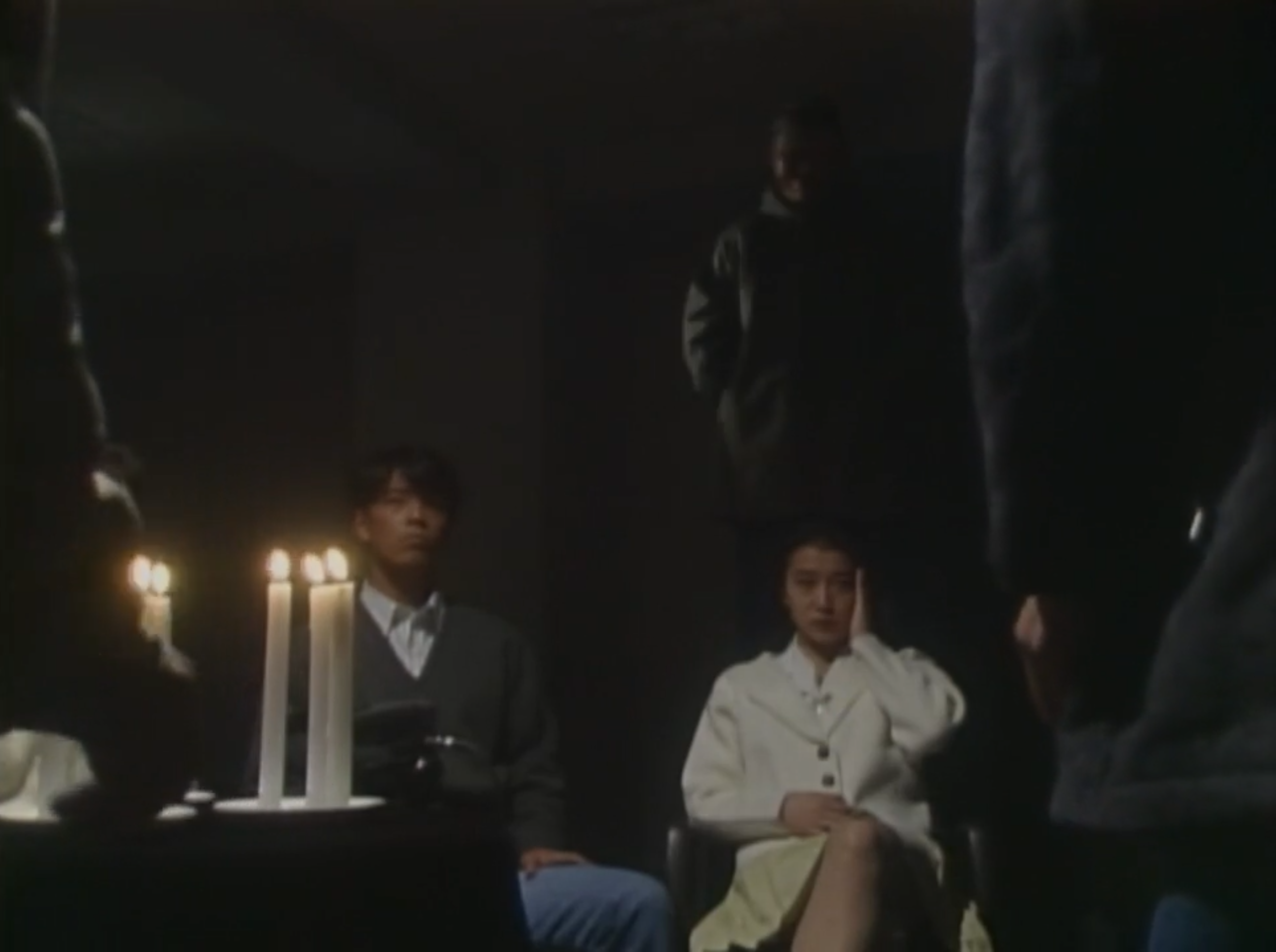
Suddenly, and much to their dismay, Y appears, grinning evilly behind Aya – though her classmates don’t seem to be able to see him. Horrified, Naoto asks if they themselves are the cause for everything that’s happened here, given what they recently learned about their foe. Both Y and Aya begin to chuckle as the temperature rises in the room, now engulfed in flames while Kishimoto and Yoshii fall to their knees in agony.
But the brothers remain unaffected, and Naoya says his older brother is wrong – this isn’t their Y but an imitation by someone reading their minds. Just then, Y and the flames vanish – but in a strange, frenzied state Aya begins to fondle herself, directing a spate of pseudo-erotic moaning at Naoya who cowers away. Fists raised, Naoya reaches out to find the consciousness of the person messing with them. Aya laughs at them coquettishly while her classmates beg her to stop. Once Naoya has a handle on the location, the brothers dash away, sprinting off across the campus. Finally, they find a middle-aged man sat at the front of a lecture theatre, fondling himself in an exact mimicry of Aya – he’s the psychic they’re looking for.
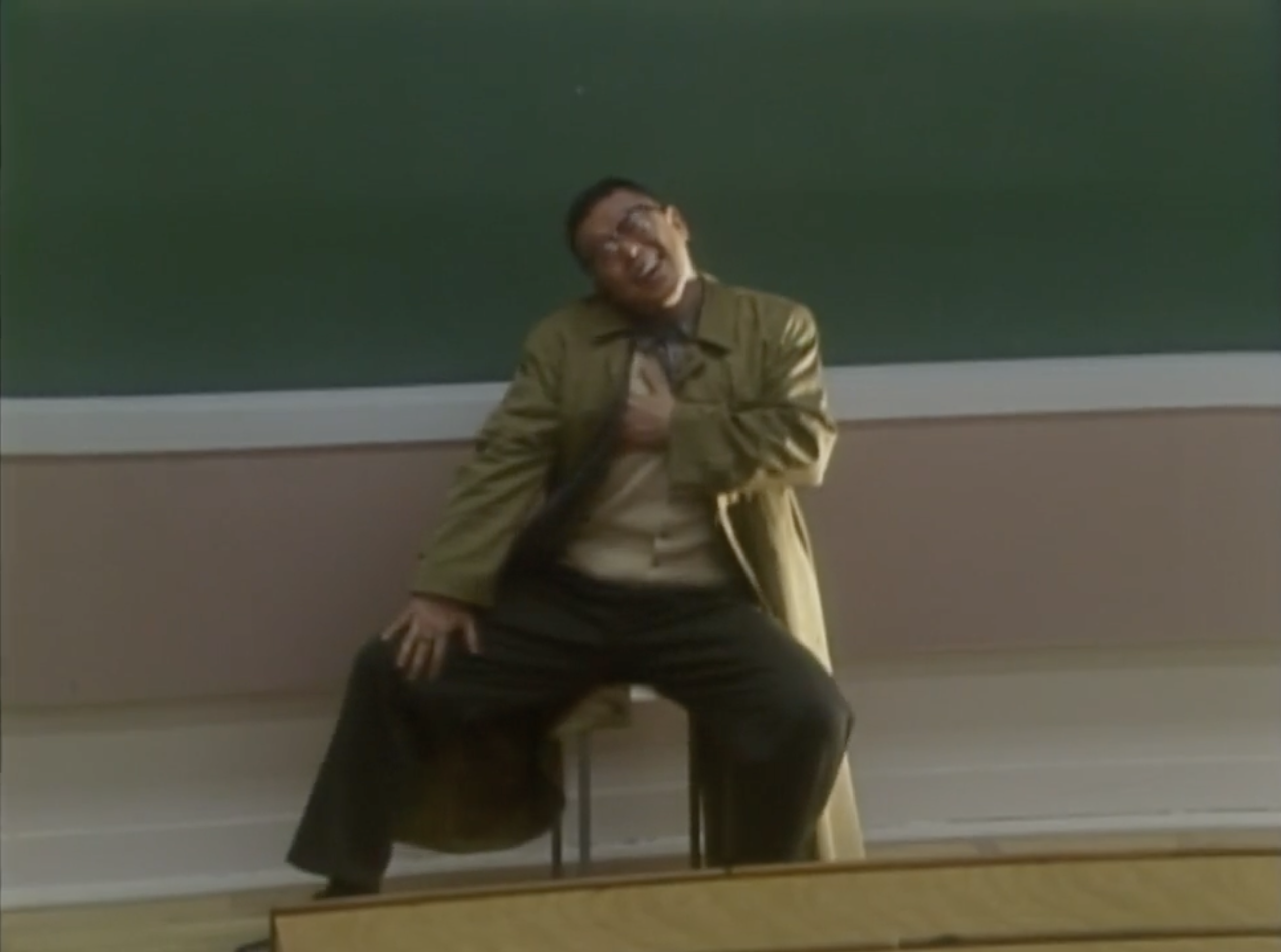
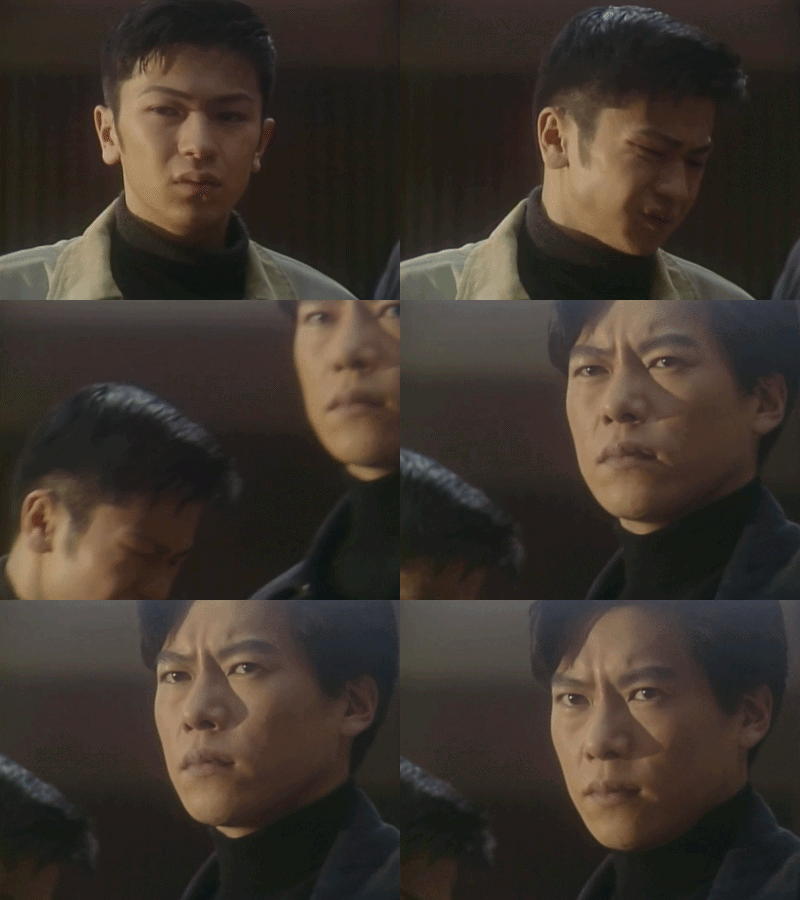
As they approach, his voice doubles with that of Aya – repeating the same luridly sexual moans at Naoya, who grimaces, looking away in disgust. Naoto glares at him in a rage before reaching out with his powers, pulling the stool out from under the creep who falls on his ass in a fit of laughter. Grinning, he warns Naoto that if he pulls a stunt like that again, there’s no telling what he might do to Aya. Sensing that the threat is legitimate, Naoya has to hold his brother back from attacking him.
Laughing dismissively at the irate Naoto, this new psychic tells him he has no intention of fighting them – after all, the brothers wouldn’t want to get into a fight they have no chance of winning. Naoya tells him that he’s awful for manipulating the minds of the channeling research team, but the psychic only smirks – “That woman was a bit unhinged, so it was easy to get into her head.”
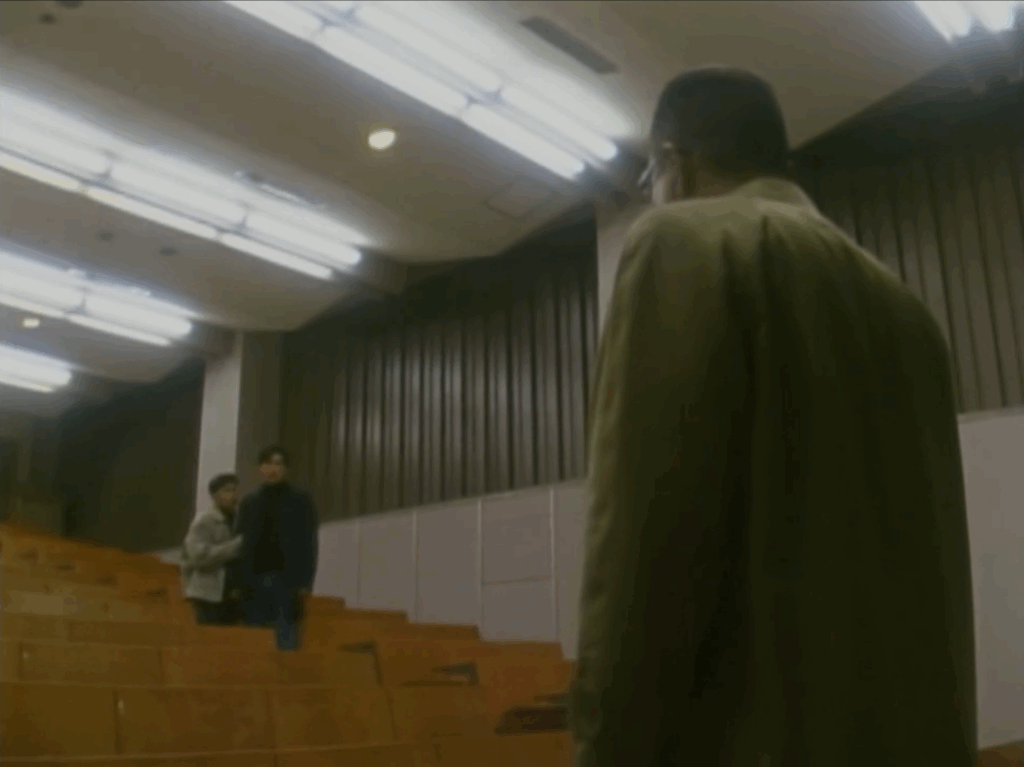
Naoto shouts at him, asking what he’s after, and the man continues with his appeal from before – they ought to think of themselves as superior, with the powers they’ve been given. Their sense of inferiority is what happens when you get left so long at Mikuriya’s place, he scoffs. At this, Naoto suddenly has a glimmer of a memory. Quietly, he asks the man: is he… Sonezaki?
Suddenly mock shy, the man confirms – to which Naoto appears shocked that he’s alive at all. But the man – Sonezaki – snaps at him: “unlike you, I found happiness. And you can find happiness, too – if you join us.”
Just then, the three college students burst in, demanding to know what happened during the session. Sonezaki uses his mind control to mess around with them, making them throw a few punches before running into the walls. Suddenly forceful, he reproaches the brothers for thinking of such weaklings as their equals before beginning to walk away. At the door, he turns back to look at them before asking – “Worried about Mikuriya? He wanted to see you.” Naoto dashes forward to attack Sonezaki before being held back yet again by his younger brother. Sonezaki says that he hopes to see them again before bidding them farewell. Suddenly, Naoya finds himself overwhelmed by visions of the forest, collapsing in pain – Mikuriya is calling out to them.
———————————————
As with other recent episodes written by George, there’s a superfluous amount of infodumping which left me somewhat underwhelmed – especially since the ‘info’ being dumped wasn’t even intended for us to take seriously. While the director did a decent job of trying to utilize unusual cinematography with the A/V equipment to bring interest to the scenes, I bet these channeling sessions would have been dull as dishwater to attend if they were real!
It was great to see that Naoya has progressed enough to be able to shake hands with someone else, though I do wonder why he opted to try this out when they actually needed to learn something about the people who called them in. I can’t help but wonder if they ended up going to so many sessions because they couldn’t pick up on things fast enough without his reading ability… Jokes aside, this is a huge milestone for him, and I was surprised to see Naoto be so dismissive about it. I wonder if this stems from his separation anxiety regarding his brother – despite consistently encouraging him to learn to control his powers, Naoto has reacted very negatively to some of the more pivotal moments of growth for Naoya, and this feels like it’s in a similar vein.
As the show has progressed, it has at times felt propagandistic in the ways it positions his specific vision of things – the material vs spiritual, say – and this could have done the same. So far, they’ve had Shoko guiding them (albeit cryptically) whenever they’re in doubt, and the last two episodes we had yet another holier than holy character nudging them the ‘right’ way,1 so it wouldn’t have surprised me if we had been forced to sit through a ‘real’ extraterrestrial being confirming yet again that their existence matters for some special cause. Instead, it made for good nuance to have the double bluff – the fake channeling from Sonezaki, via the unaware Aya – because it opens up a space to try and critically engage (somewhat) with the core message of the series ourselves, rather than just have it reiterated again. Sure it’s just being presented as an inversion of Shoko’s logic – and sure, it’s pretty obviously villainous to suggest that the lads oughta think of themselves as superior – but we don’t know anything about this new guy, or who he works for. This way, they maintain an air of mystery while working their way towards establishing the endgame confrontation and its stakes – whether they manage it or not, time will tell.
So, who is this Sonezaki guy anyway, and why does Naoto already seem to know who he is? This is a thread that is left unanswered by the show proper, by and large – especially as regards Naoto’s prior knowledge. I know more about him because I’ve consumed things for this project outside of the main TV series, but I do have to wonder how viewers at the time felt about him and the lack of answers. I’ll be talking about him and his origins in more depth in future, but given what I know,2 I feel confident describing his masturbatory antics directed at Naoya explicitly as sexual harassment rather than, say, just a rude prank. So look forward to that, I guess?
I was initially nervous about some of the themes coming from Irving, given George’s aforementioned admiration of Darryl Anka and his Bashar channeling, so it was gratifying to see that it was all an intentional red herring that even the lads cottoned on to. Certain elements of Irving’s spiel aren’t even that unusual, as far as mysticism goes, so it wouldn’t have surprised me all that much to see it presented here. As an example, W.B. Yeats dabbled in forms of mysticism and the occult throughout his life – even beyond his membership in the Hermetic Order of the Golden Dawn, he and his wife concocted extensive schemes based on soul rankings and past life regression that deeply impacted his work.3 Here, it felt like George mostly took issue with the value and ranking of souls rather than the past life regression part, which may not even be as ‘new age’ here as we might assume, given the buddhism of it all.
While George and I differ in our opinions on New Age mysticism, I do often find myself pleasantly surprised to discover his willingness to frame certain characters who claim to have powers as performative hucksters. Here, though, it’s interesting to consider Aya’s role in the scheme. Rather than just thinking of her as an empty vessel for Sonezaki to speak through, he specifically describes her as “a bit unhinged, so it was easy to get into her head”. Aya herself perhaps suffers from some amount of a superiority complex – framing yourself as the center of a past-life love triangle with your classmates is a pretty brassy move otherwise, and it’s worth noting that the guys also go along with it without being psychically controlled. So, rather than a complete lack of agency, perhaps Sonezaki’s control of her worked in terms of a manipulation of her own delusions.
…Which actually brings me to one of my bigger issues with the episode. I opted to translate one line here – Naoya’s description of Aya – as “a slight tendency toward delusions”, but in truth, George opted to say she had “a slight tendency toward schizophrenia” (「分裂症」). On the one hand, this just doesn’t make sense, given that he expands by saying “it’s not quite full-blown mental illness” – schizophrenia is a mental illness, you don’t ‘tend towards’ it. I opted to translate it the way that I did because delusions are often a symptom of a variety of mental illnesses, including schizophrenia – so, you could tend towards a symptom without actually being diagnosable with a specific mental illness. On the other hand, this is bothersome to me because it implies that Naoya can diagnose mental illnesses, by name, as if he just has psychic access to the DSM-III R,4 and its categories and definitions are Real and Permanent. I wonder how he took the switchover to DSM-55 – maybe this ‘transformation’ they keep talking about will just be them reconsidering some stuff about themselves in a new diagnostic context…!6
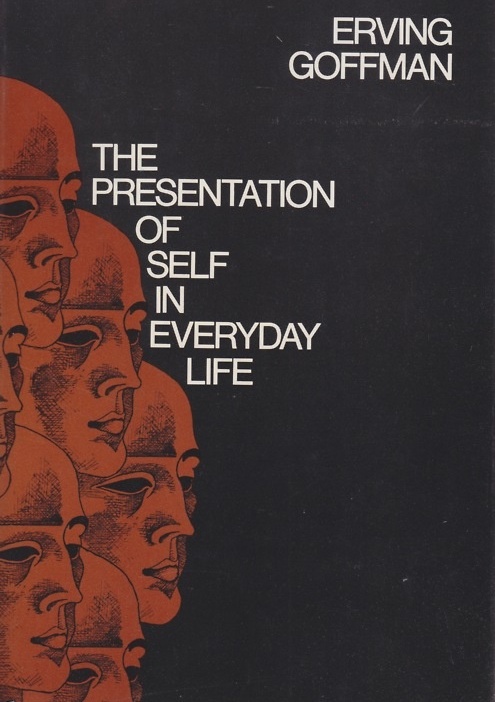
One last thought I had about the episode is regarding the name chosen for their cosmic companion: Irving. I pondered this for a while, trying to puzzle out the origin – assuming it’s a reference to an ESP/mysticism source, my partner suggested Washington Irving Bishop, which could make sense either from a skeptical OR supernatural perspective, given his shifting allegiances over time. My semi-serious vote is for Erving Goffman; his most famous book, The Presentation of Self in Everyday Life, speaks well to the brothers’ preoccupation with performance and appearances in social situations. There’s this particular moment from the first novel that resonates with this notion, and which has stuck with me since first reading it:
As he reached for the door, Naoto glanced back at his younger brother, as if to double-check: “We’re doing this, right?” Naoya nodded without a word. To the two of them, the world inside that restaurant felt like a foreign country inhabited by a different breed of people. It was a gathering place for ordinary folks living ordinary, human lives. That was only natural, of course—yet to Naoya, it seemed like something extraordinary. Do we look strange? Is our vibe off? Is our clothing out of place? Should we say hello? Naoya fretted over every little detail.
As much as I’d like to analyze more of the book, I’ll leave it there for now. I plan to delve into it in more depth soon enough!
- His first appearance was literally titled ‘a saint’! ↩︎
- foreshadowing… ↩︎
- This is explored in more depth in Brenda Maddox’s book called, ironically, George’s Ghosts ↩︎
- I’m unsure how closely Japan follows the Diagnostic and Statistical Manual of Mental Disorders, but the switch from DSM-III R to DSM-IV was in 1994. ↩︎
- Interestingly, this edition introduced some of the biggest changes surrounding definitions of both schizophrenia and autism. ↩︎
- Not that I think the DSM is necessarily the best model for these things – I’m specifically commenting on how shallow it is to think that mental illnesses are anything other than definitions that are culturally delineated and which shift with time. This also relates to some of my issues from the previous couple of episodes regarding definitions of “health” ↩︎