

Posted on October 15, 2026
NIGHT HEAD synopsis – episode 19

Episode 18 – Force
broadcast date: march 4th 1993
Director: Masayuki Ochiai (落合正幸)
Screenplay: George Iida (飯田譲治)
Naoto Kirihara – Etsushi Toyokawa (豊川悦司)
Naoya Kirihara – Shinji Takeda (武田真治)
additional cast can be viewed here
The brothers, driven by Naoto, speed along.
Asphalt road receding into the distance, streaming away behind.
The car carrying the two of them gradually heads deep into the mountains.
The past comes flooding back to them both.
Naoto and Naoya – two children – taken away from their home.
Images of the forest.
Anxiety.
Reflecting on the past, both are overcome by a somber mood.
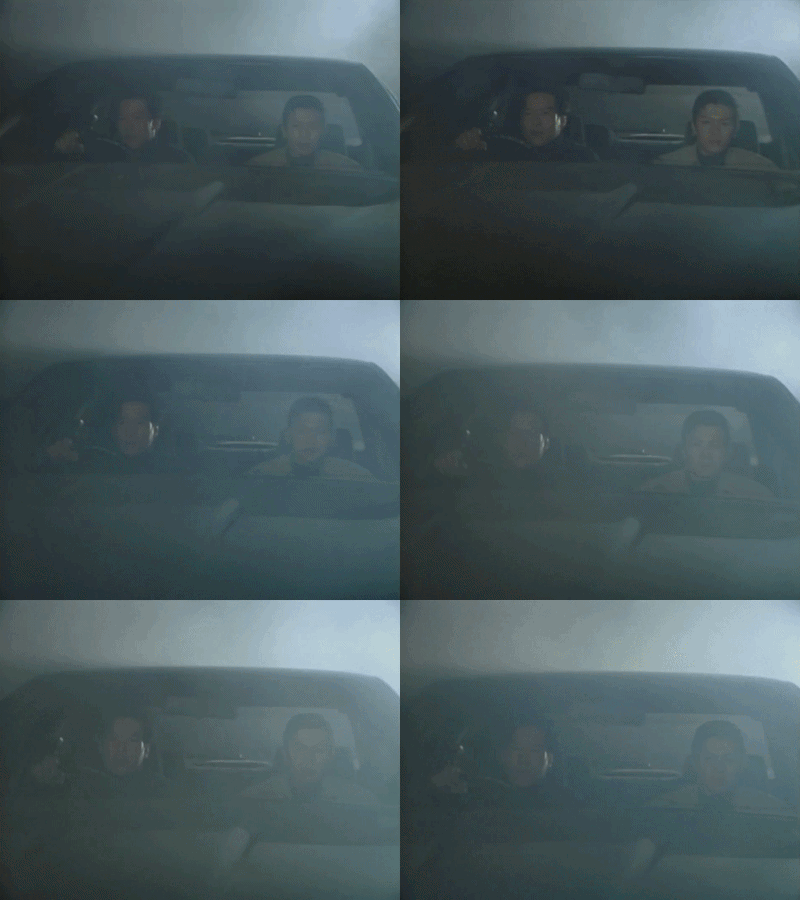
Driving through fog, their headlights carve narrow slices of light out of the darkness, illuminating portions of dense forest as they make their way deeper into the mountains. Naoto and Naoya sit in a perturbed silence, awash with recollections which come unbidden. They sit quietly with their childhood selves, memories of their terror filling the car almost as if it were another passenger. This is anything but a homecoming, and the fact that it is the only time they have ever made this journey willingly is not lost on them.
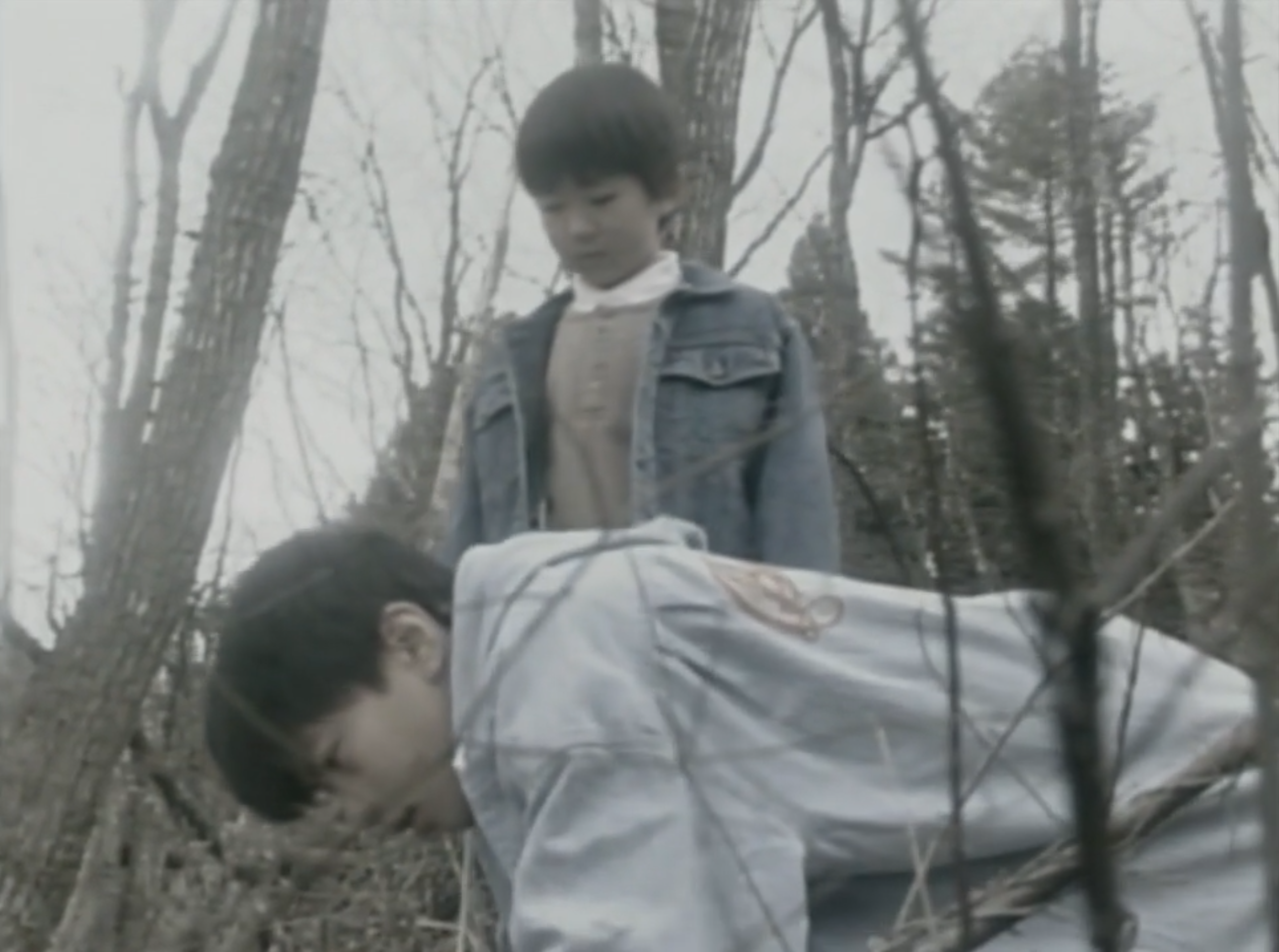
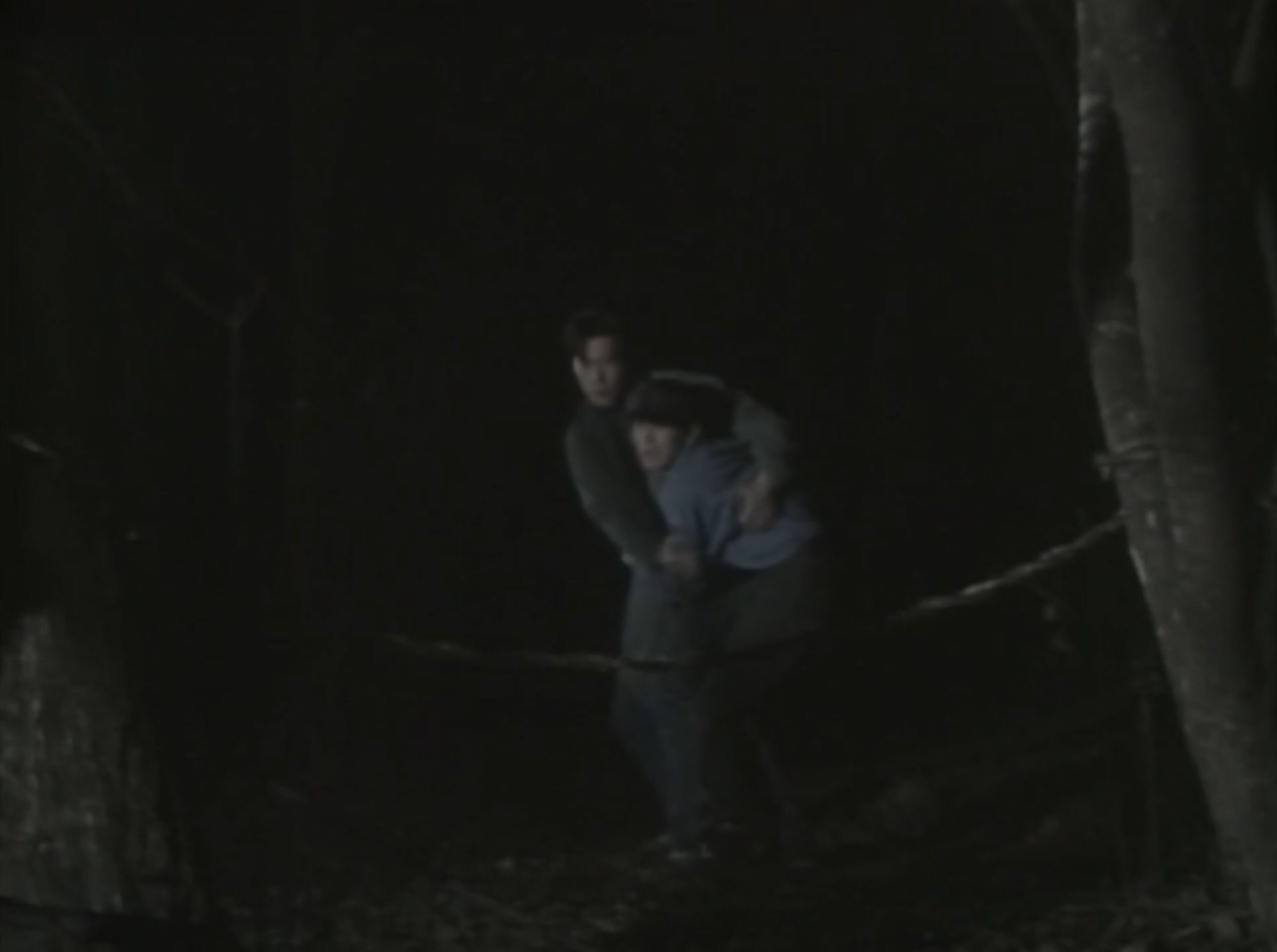
They remember their first escape attempt, 15 years ago: two children, deflected by an invisible wall, sob in desperation at the rope-slung boundary. This memory of failure and abjection rattles discordantly against the memory of triumph of their adulthood escape, further complicated by their car’s forward momentum – towards a return to the very place they so longed to flee.
We see their past selves escaping, so recently – Naoto alternately supporting his quailing brother and racing forward. Despite his older brother’s reassurances, Naoya cries out that it’s impossible – firmly, Naoto detaches himself from his sobbing brother, who watches him in horror. With a look of fierce determination, Naoto charges towards the rope – vaulting over it with almost comedic ease. He stands there in shock, breathing heavily, before turning to shout out encouragement to his cowering younger brother. Hunched over in fear, Naoya stumbles forward, barely managing to leap across, before being caught in his older brother’s arms. Naoto recalls that when they escaped, he feared he wouldn’t be able to take his younger brother with him; that he almost gave up. Naoya, so different now from that shuddering version of himself, says that he’s glad they made it out – and his older brother agrees.
Their past selves stare momentarily at the rope that once held them back before plunging into the night, out into the world – in the present, their car delves further into the forest, haloed by the morning sun. As they stop the car, Naoto says contemplatively, “I don’t know what would have happened to me if I hadn’t been with you”. After a pause, Naoto tells his brother that no matter how reality changes, their feelings remain the same. Despite the firmness of this statement, he ends it with a question – “right?” – a tentative request for reassurance from his younger brother. Naoya looks at him meaningfully with a pained expression, but Naoto doesn’t give him a chance to respond. Looking away, he continues: the same goes for his feelings towards Mikuriya, too. Sitting there, at the precipice of their trauma, on the verge of rescuing the man who held them captive for so long, this serves both as a warning and as a reassurance from himself – of the solidity of his own feelings of hatred, if nothing else.
Exiting the car abruptly, the lads begin to walk tentatively through the forest towards their destination. The sight of the rope that once held them back lying frayed and decomposing on the ground rings out as almost bathetic, but the brothers instead see this with concern. Something is very wrong, and they rush forward in alarm.
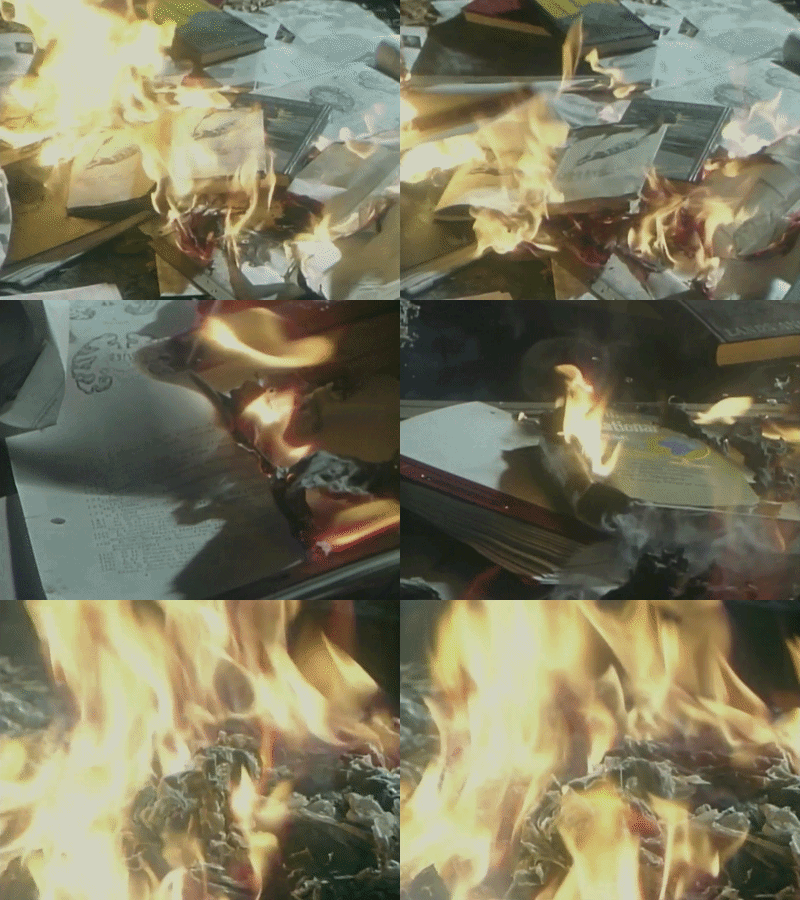
On entering a clearing, the lads are shocked to find the research facility razed to the ground, with nothing left but a pile of smoldering rubble. They feel that this confirms that the barrier created by Elder Misaki served as protection – Naoya in particular is appalled at the sight, wondering who could have done such a thing. He finds himself overwhelmed by a vision of the night before, where he sees, among the chaos, people hauling out Mikuriya’s research to be burned. Naoto asks him where everyone went, but Naoya can’t tell – just, “gone.” But there is one thing he can sense: Mikuriya is still there, somewhere nearby.
Wandering the grounds of the razed institute, they see that Elder Misaki’s home was the only area that escaped destruction. As they approach cautiously, they see an older man in a stark white suit, himself also looking at the house. The brothers stop, staring – this is Mikuriya, the man they’re looking for. He turns, spotting them, and makes his way over slowly, leaning heavily on a cane. The brothers do not greet him, and when he says they’re looking well they skip all pleasantries. They only wish to know what happened, but Mikuriya has no reply.
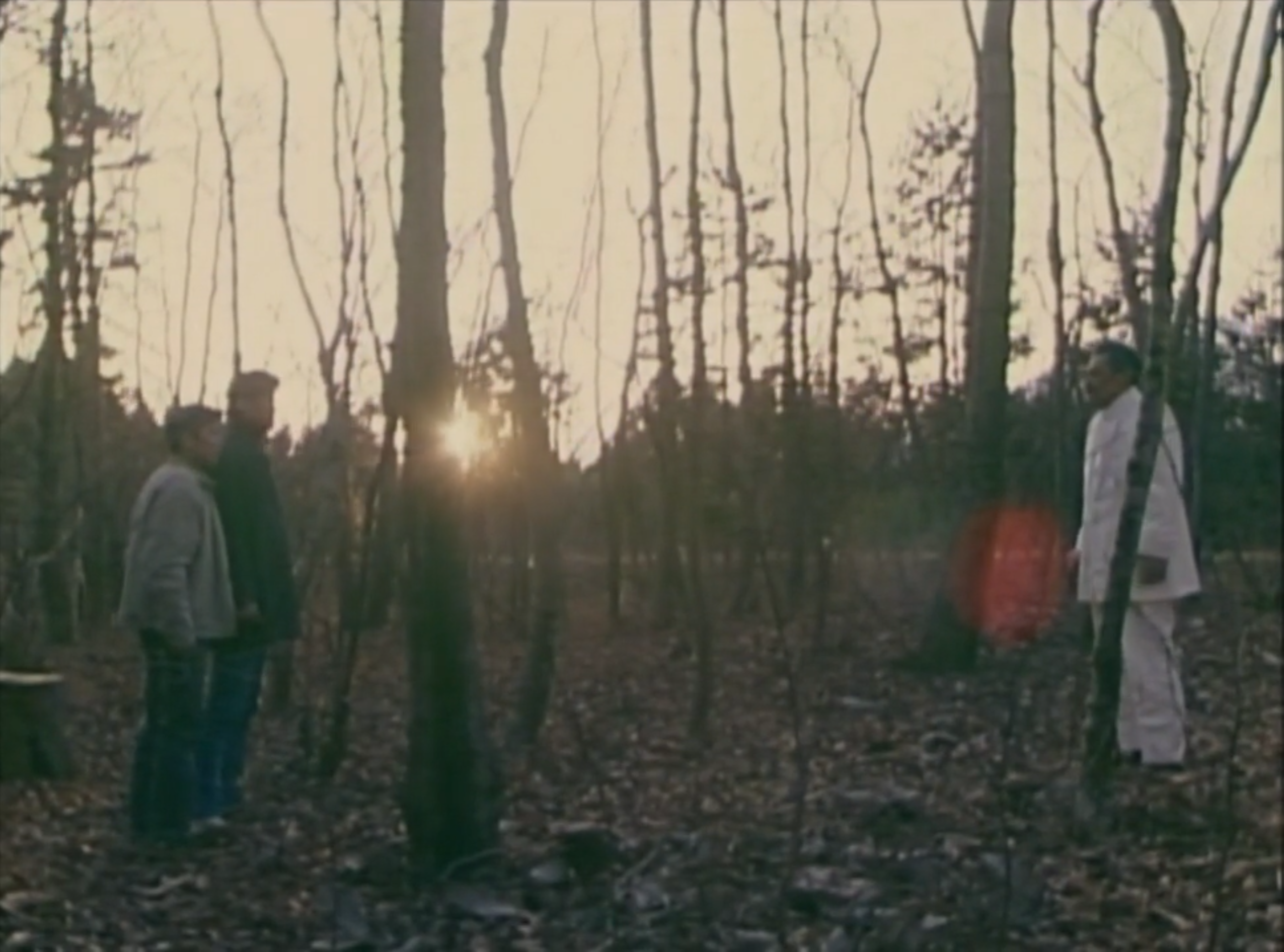
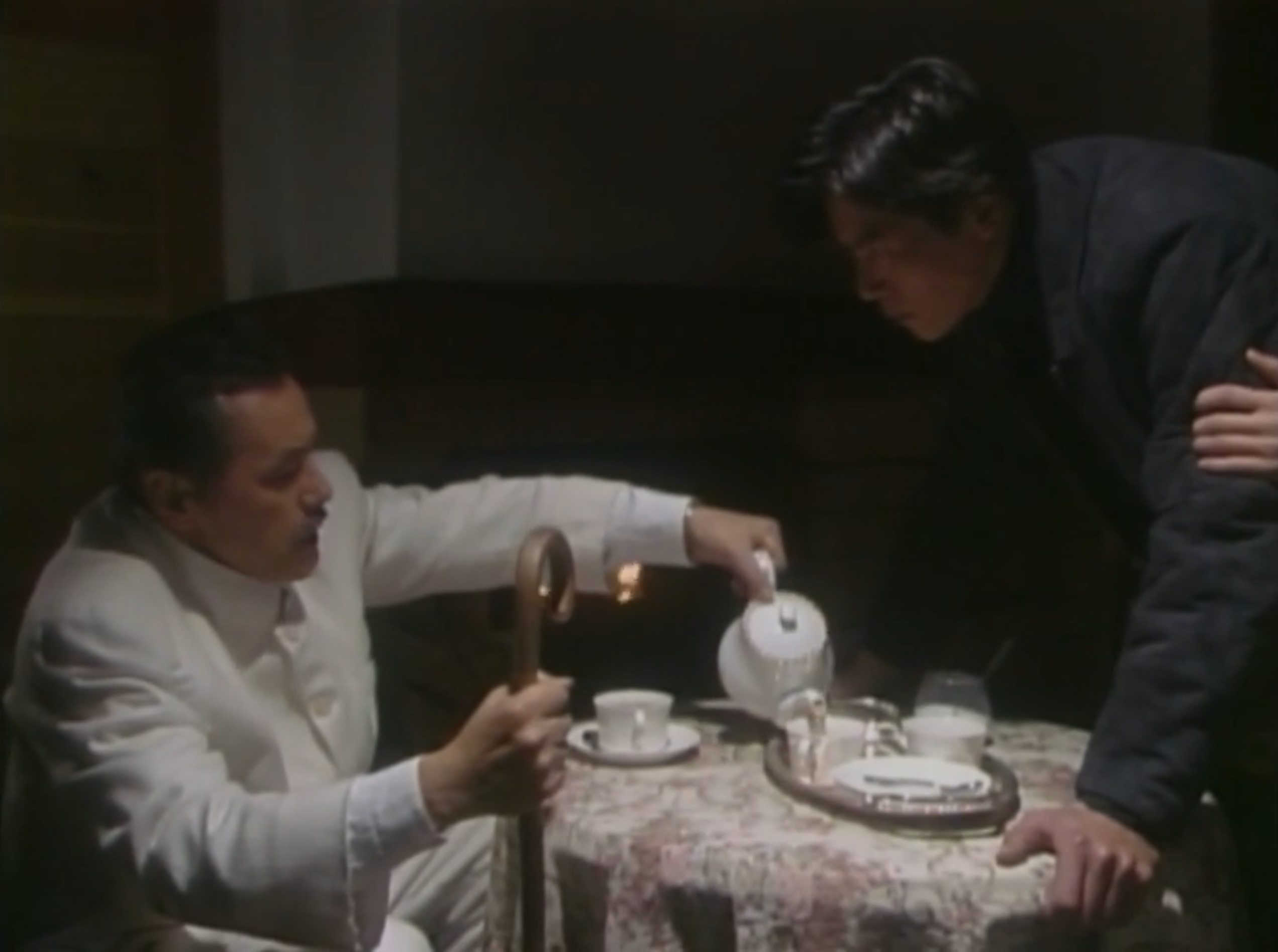
Inside Elder Misaki’s house, Mikuriya offers them seats at a table set for tea, but Naoto tersely tells him they didn’t come to chat. After Mikuriya repeatedly deflects their questions about what happened, Naoto loses it, shouting at him and slamming the table. Naoya looks on in dismay, and reaches out to try and hold his older brother back. Mikuriya, nonplussed, continues to serve tea, insisting they sit.
Mikuriya tells them that he is being held captive here in the forest, and that if he leaves he will be killed. Naoya, suddenly tense, says that he can sense the overwhelming strength – that of several people – exerting psychic pressure on this place. Just then, their surroundings begin to shake ominously, but Mikuriya remarks that it’s all ridiculous. He explains that he’s being held captive because people who are in power fear him, his research, and the ‘upheaval’ that it will bring. “They’re all afraid – afraid that the things they’ve worked so hard to acquire will lose their value.”
Without elaborating further, Mikuriya abruptly changes the subject, insisting that the lads help him leave. They realize he expects them to help him by fighting the immense forces holding him back, and Naoya recoils in alarm. Naoto lets out a bitter, crestfallen laugh – was that the only reason he called them there? But Mikuriya doesn’t see an issue – the people holding him captive merely want access to the ‘special energy spot’ that the facility was built on, but the brothers should be able to use that to their advantage.
Just then, the room begins to shake again, and Naoya warns that the psychic captors are telling them to leave – without Mikuriya. Glowering, Naoto says that’s just what they’ll do as he gets up to go, but Mikuriya tells them to wait. Without even so much as a please, he commands them to take him with them. Naoto does not react well to this, as might be expected. Turning to Mikuriya with tear-filled eyes and bristling with quiet rage, he finally confronts him with all the emotions he’s alluded to over the season:
“Don’t tell me what to do. Understand? We aren’t your property. Where or why you get locked up – none of that has anything to do with us. Isn’t that right? You deserve a taste of the suffering we endured while we were trapped. We were just your lab rats all along.”
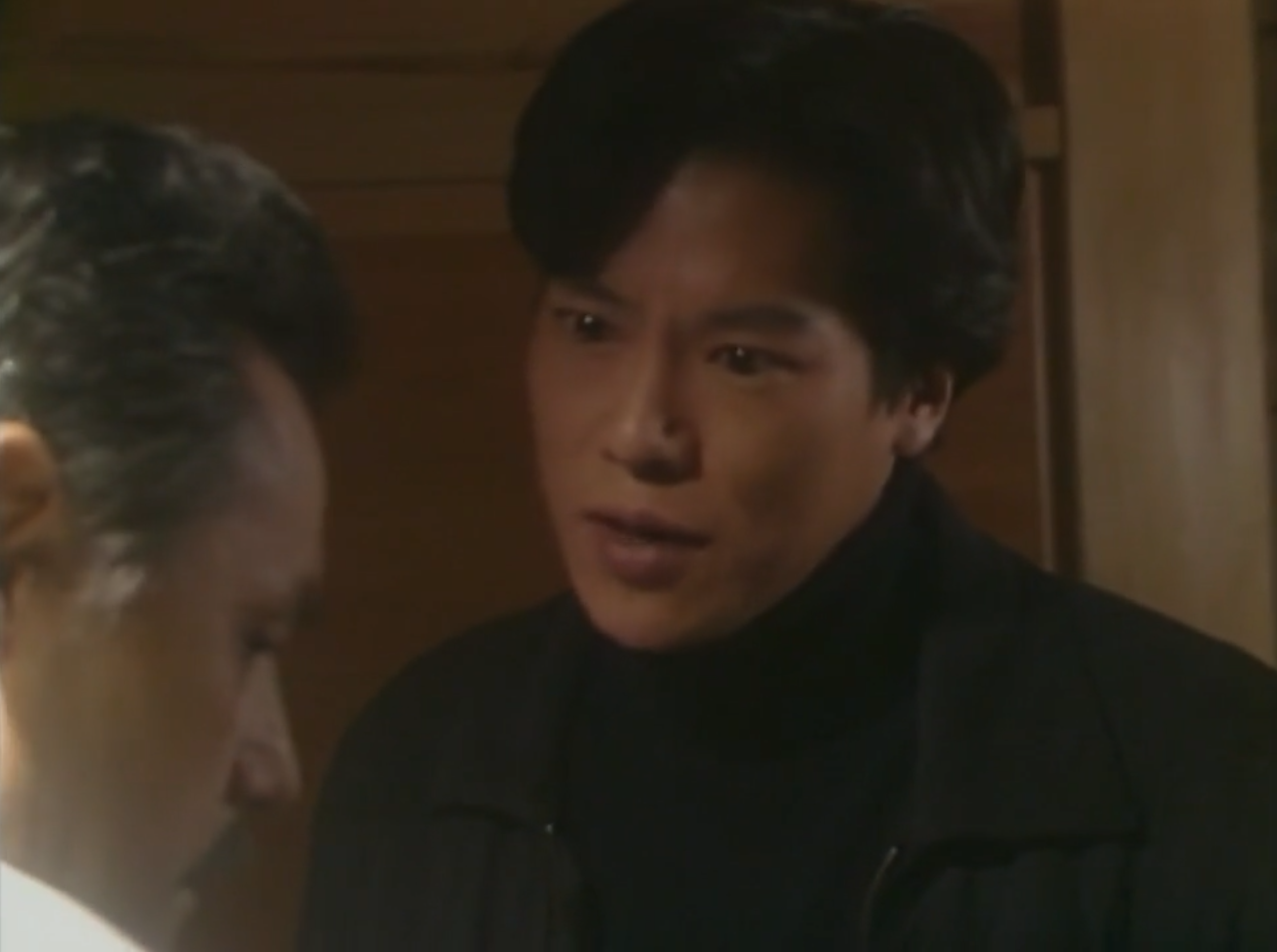
Gradually building up in anger, Naoto finally shouts at Mikuriya’s turned back with full force that he’s always hated him. All the while, Naoya has retreated into himself with a sad grimace, but as his brother’s anger crescendos he steps forward to hold him back. Mikuriya reacts with all the petulance of a man who is completely self-assured in his own righteousness despite having failed. Much to their chagrin, he tells them that they’re not the only victims here, since his research has been taken from him. They’re still young, he says to the silently crying brothers – but he’s not sure if he can win back what he’s lost. Maybe in Russia he can get back to being a scientist again.
The pressure exerted on the building strengthens, shattering the teapot on the table. Turning his back to Mikuriya, Naoto tells him that this is goodbye – once they all leave here, they’ll never see each other again. Mikuriya nods vigorously and says it’s for the best. Naoya looks on in tears.
The three exit into the forest, cautious of the lurking psychic presence of their enemies. At first they seem far off, but soon enough they hone in on Naoya, who seems to crumple under the pressure of their immense power, insisting they’ll be killed. He tells the rest of the group that he’s terrified, but Mikuriya tries to push forward. Indignant, Naoto holds him back, forcing him to keep pace with his younger brother. Distressed, Naoya shouts out that their enemy is laughing at them. Mikuriya grabs Naoto’s arm, attempting to force them to move on, but Naoto recoils – unbalanced, Mikuriya is thrown to the ground.
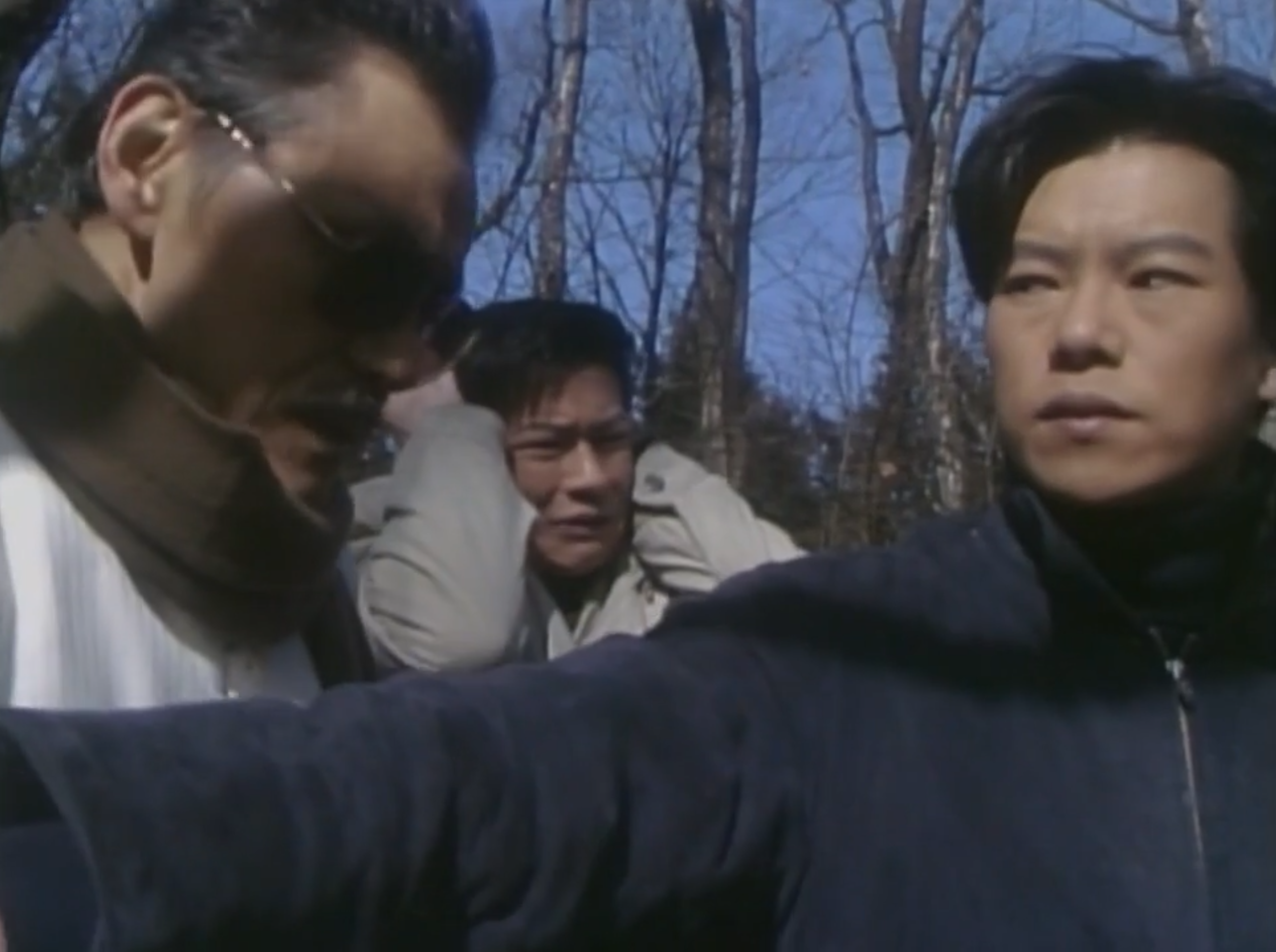
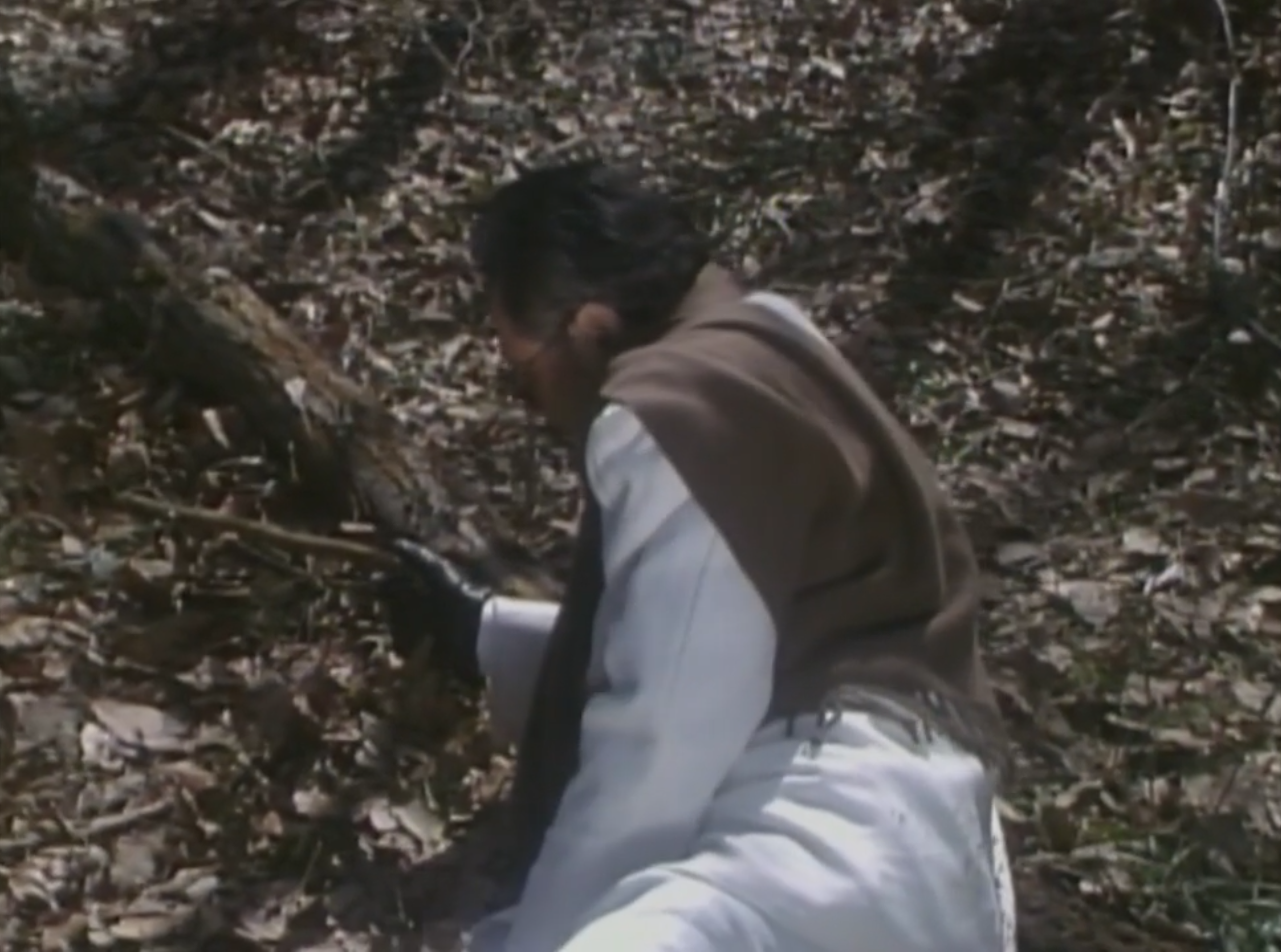
Lying there, face turned away, Mikuriya pleads pathetically for them to please take him with them, begging them not to leave him behind. Naoto, stunned, doesn’t know what to say or where to look – but Naoya crouches down to help Mikuriya up. They begin to hike slowly back through the forest to their car, dappled light shining through the trees as Mikuriya tells them about himself and his research:
“During my boyhood, Japan had gone mad. War, hatred, betrayal… Everyone had lost the capacity to even recognize it as abnormal. I wondered why human beings must go to such lengths to keep on living. At the time, I read a certain book. It discussed the balance between an organism’s brain and its body. Compared to other creatures, the human brain is far too large relative to the body’s physical volume. And yet, no human – not even geniuses – use more than 30% of their brain. What, then, is the remaining seventy percent for? I was convinced that this was the right path. As I immersed myself in the research and the theory, following it exactly as I envisioned, that is when I met Elder Misaki. There is no doubt that your powers are linked to the 70% of the brain that goes unused.”
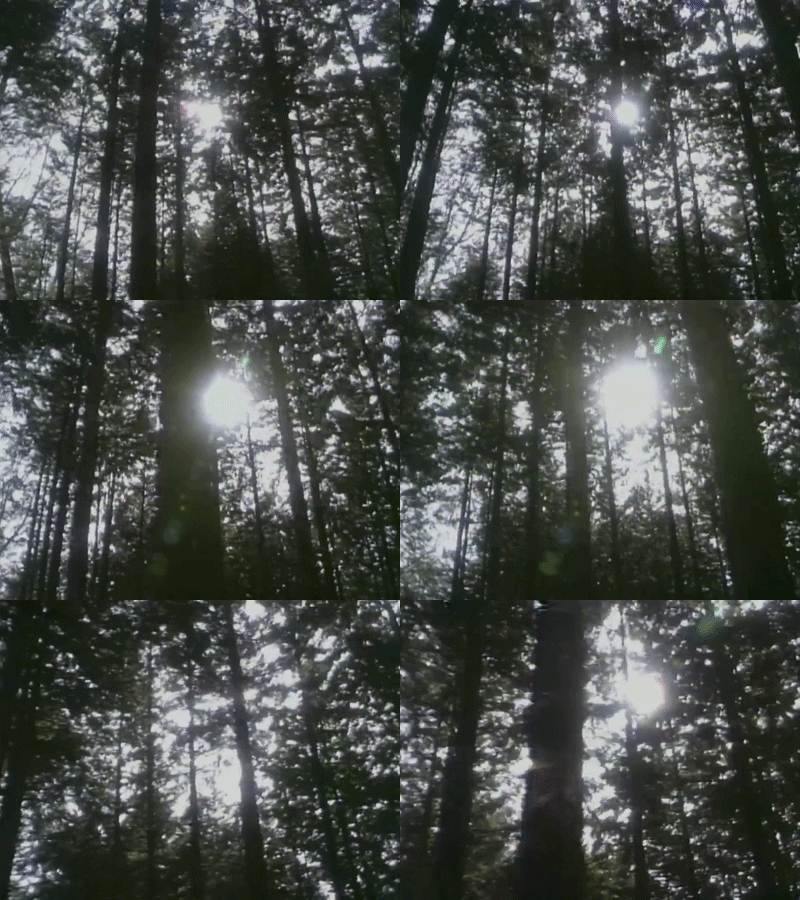
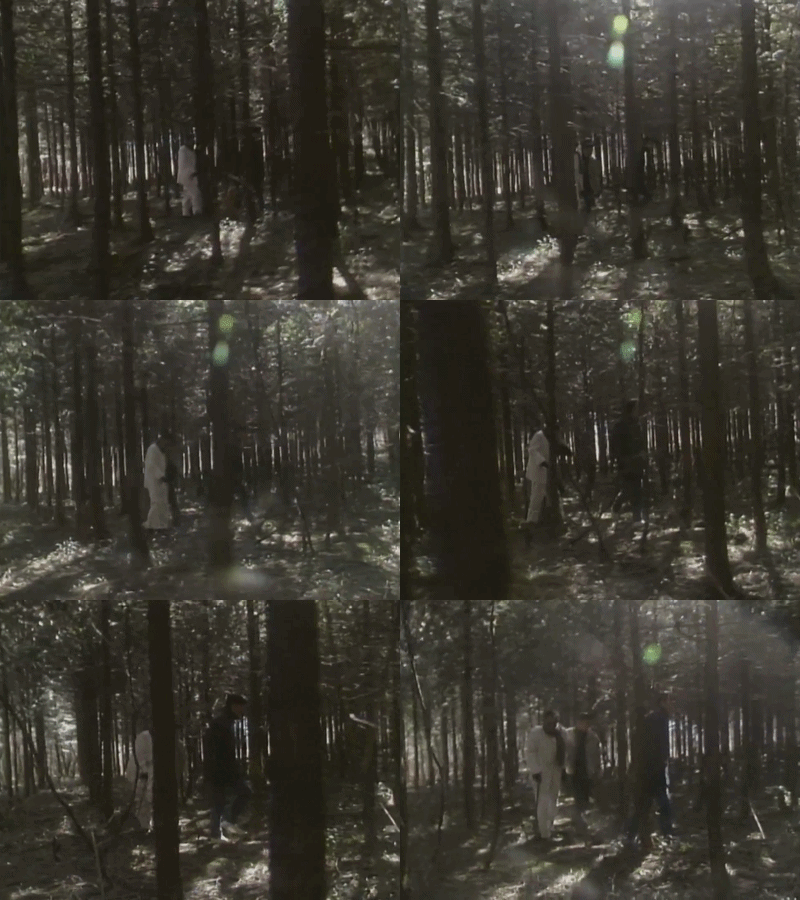
In a moment of vulnerability, he tells them that as he continued his research, he found himself envying them for their powers – because no matter how much he immersed himself in his work, he could never become like them. Then, he mentions something he noticed in the more recent stages of his research, before it was all destroyed – that those who push their brain functions beyond that 30% eventually become like Shoko. Concerned, they ask him what exactly that means, and he explains: “Physical breakdown occurs. The consciousness trapped inside the brain breaks free – abandoning the contradictory existence of the physical body, and evolving into a freer, formless state of being.”
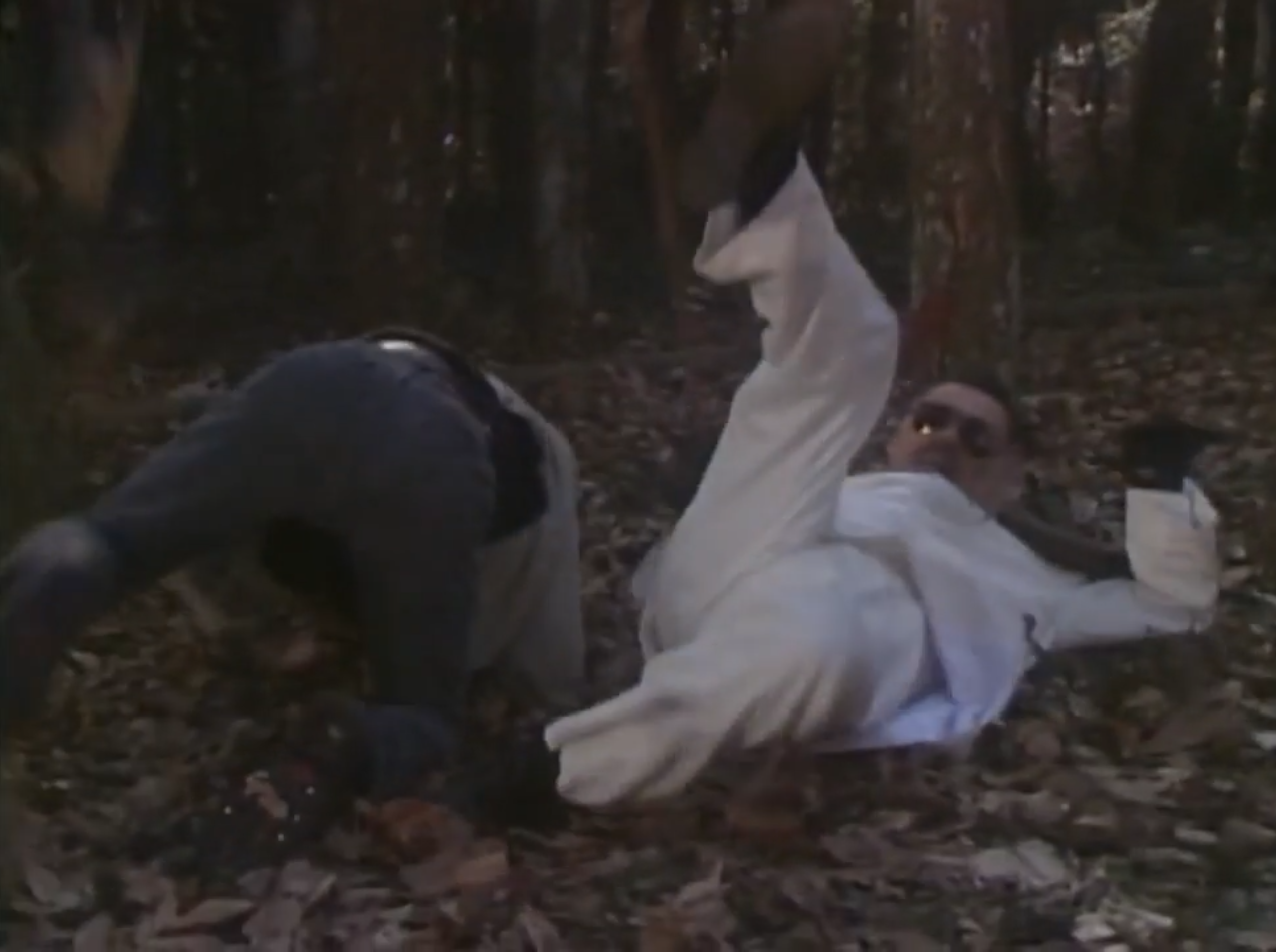
Just then, the group find themselves bowled over by a whirlwind that can cut, knocking Naoya and Mikuriya over and leaving Naoto bleeding. Mikuriya insists they can win this if Naoto can resonate with the frequency of the energy spot, so he rises – summoning all his strength to focus on pushing back their enemy’s brutal, leaf-spewing force. Something seems to give, and he snaps his eyes open with an electric crackle – it’s over. Naoto, breathless, watches Mikuriya with a look of distress.
They finally reach their car just as night has fallen, cloaking them all in the darkness of the forest. Mikuriya tells them that their powers have grown stronger than he expected – that the time when they’ll be able to control their powers completely isn’t far off. Naoto asks him what’s going to happen next, and he tells them he has no idea. Their breath steams in the frosty air as he tells them they have his thanks – but the brothers only stare at him in return. Moving past them, Mikuriya makes his way to the road – staggering along, leaning heavily on his cane, the brothers do not offer to give him a ride.
A memory overwhelms them – of their first escape attempt, yet again. Two children, crouched before the rope holding them back from the world, sit in silence – the same forest, perhaps the same despair. A sound alerts them, and they turn to see Mikuriya approaching – 6-year-old Naoya crouches before throwing a rock at him, shouting not to come any closer with all the trembling might he can muster. We see that, rather than forcing them to return to the facility, Mikuriya has built a fire by the side of the rope where he sits, talking to them. We cannot hear Mikuriya as he speaks, but 12-year-old Naoto stares at him in rage while Naoya sobs into his sleeve. Mikuriya reaches out his hand to the small boy, who lowers his head in sorrow. Naoya places his tiny hand in Mikuriya’s and they rise to leave, convincing the crying Naoto to come as well.
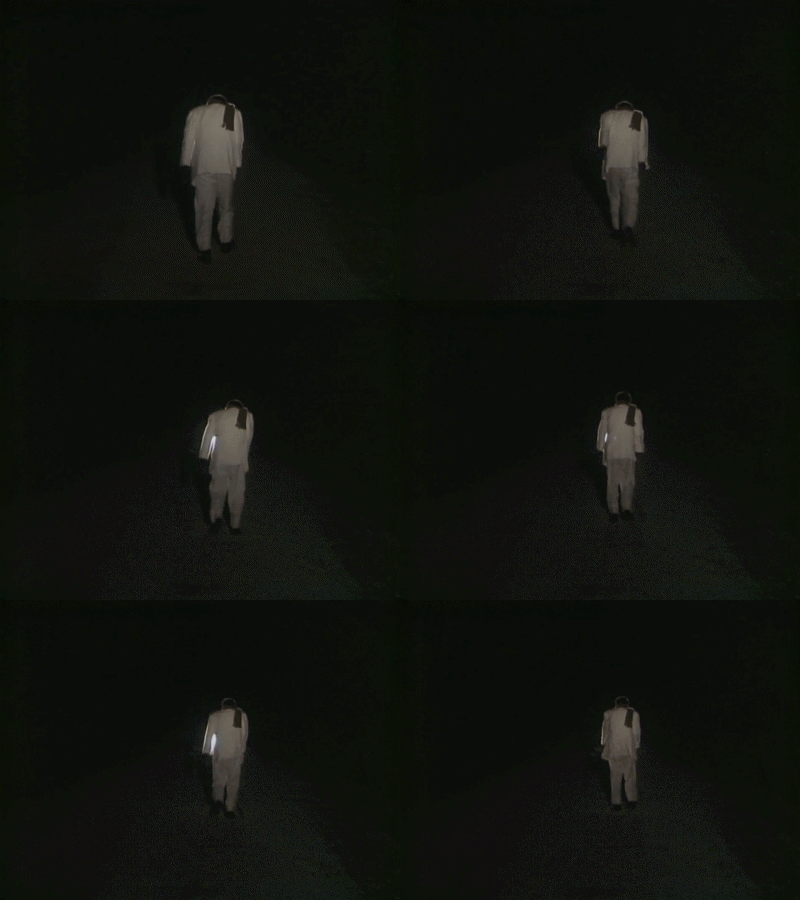
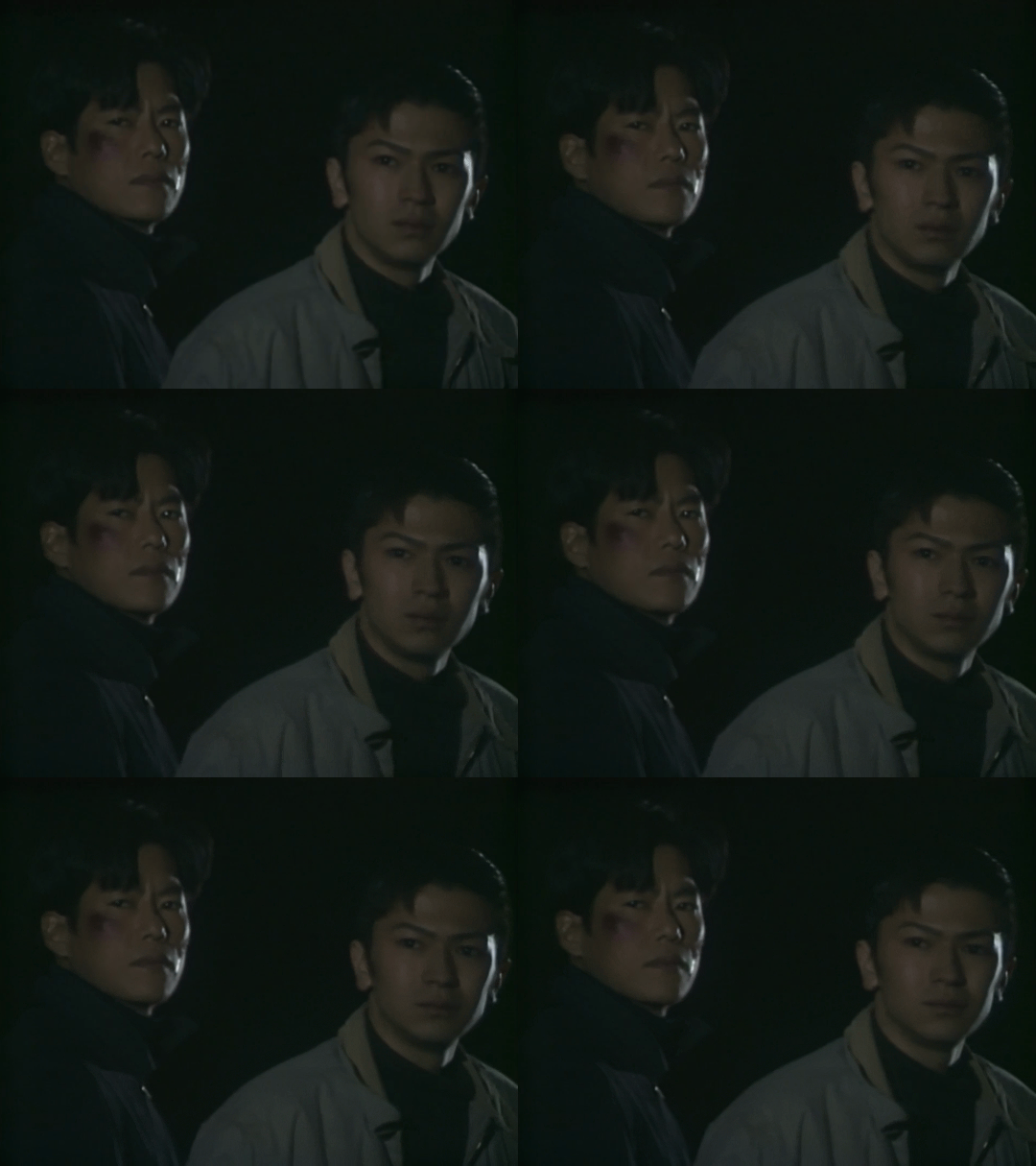
Back in the present time, the brothers continue to stare at the retreating form as he walks off into the bleak night. As they themselves drive off in heavy silence, Naoto breaks suddenly as he realizes that Naoya is unresponsive. Startled, he shakes his younger brother, shouting his name to no avail – Naoya’s eyes are shaking.
———————————————
Well, this episode is an emotional rollercoaster! Here, the lads are ostensibly reverse prodigal sons – rather than leaving feckless and returning humbled, they escaped their home only to return stronger, humbling their poor excuse for a father figure in the process. I had been initially concerned throughout the series that George intended for the lads to learn to “forgive” Mikuriya, but it was gratifying to see them gain a somewhat more nuanced view of him over time, while still allowing for the complexity of their emotions to end in such a bereft way.
While the whole episode appears to impact Naoto the most, that’s mainly in terms of the bombastic way he expresses his emotions. Naoya seems to have, in some respects, a more difficult time of things – torn between his love for his brother and whatever complicated feelings he has for Mikuriya. It’s worth noting that, in their childhood flashback, 6-year-old Naoya – while stricken with sorrow – was still able to take Mikuriya’s hand. This is something that feels too obviously symbolic to not be intentionally indicative of a lack of overt malice within Mikuriya, though these would have been the impressions of a child.
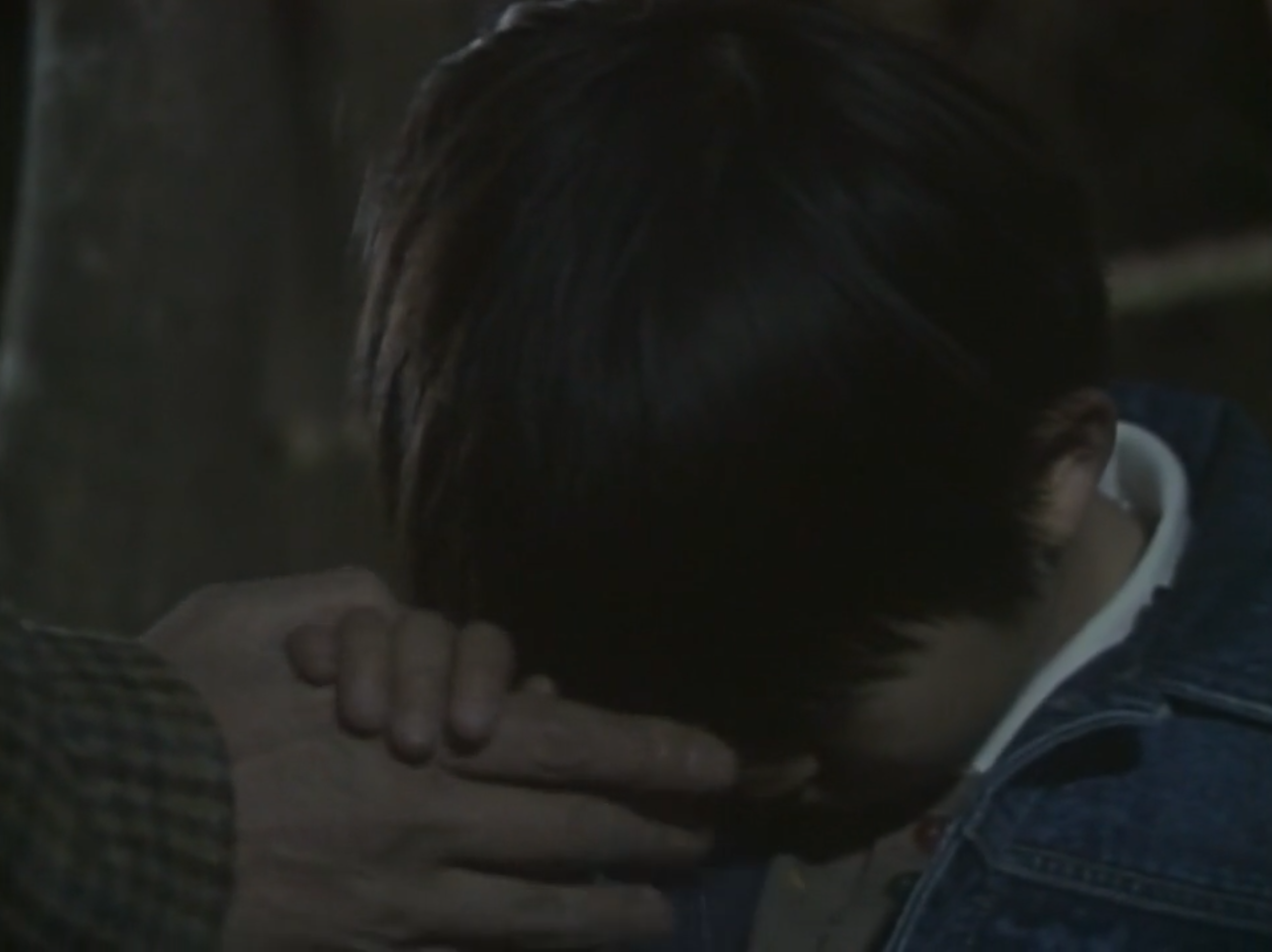
Between the two brothers, Naoya is the only one who addresses Mikuriya with the respectful ‘san’ – and, unlike his older brother, he hasn’t expressed a particular dislike for Mikuriya, regularly pondering whether he was actually happier back at the lab, or if they ought to return. Naoya’s grief-stricken countenance during Naoto’s confrontation – as well as his lack of a contribution to the conversation – reads not as tacit agreement with his brother, but as the pain of not being able to mediate between two people who are important to him in different ways. Naoto deserved to have that moment, but it saddens me that Naoya appears to be unable to speak to Mikuriya on his own terms – let alone discuss his feelings about the situation with his brother.
As I’ve mentioned previously, I have a fairly negative opinion of Mikuriya and his custodianship of the brothers, so I found it gratifying that George didn’t try to bend over backwards to insist on some sort of filial forgiveness. It is a difficult life lesson to learn that in most instances, we will not be able to have a reconciliation with the people who have hurt us most, but that is the way of it. Still, it’s strangely shocking to have that sort of confrontation play out this way – all conflict! No resolution! I audibly gasped when Naoto knocked Mikuriya down, and I’m still pleasantly shocked when I’m reminded that they didn’t offer him a ride. Where did he go after this? What did he get up to? Whether this is something they cover in the future – or in other iterations of the franchise – intrigues me.
But this raises some other questions1 – what exactly happened to everyone else at the lab? If the implication is that they were killed, there aren’t exactly charred corpses lying around – so were they taken? Killed elsewhere? Did they escape? In particular, what exactly happened to Masayuki, the psychic boy from episode 5 who was taken in by Mikuriya – and is anyone going to let his mom know? Maybe she and Shoko’s mom should start a psychic parent support group…
One issue they may find now that Mikuriya is gone from their lives is the issue of money – upon escaping with a stolen car and some sort of nest egg, they received a large envelope of cash from Mikuriya by way of Mariko (his assistant who is now missing with the rest of the staff). It seems fairly obvious that they will no longer be receiving money from him, so how are they planning to keep paying their way? What about their hotels, their gasoline? Seeing as there’s no record of them having existed since even before Mikuriya took them in, is it even possible for them to get jobs?
While my understanding of these things prior to now was from a western perspective, the situation the Kirihara brothers find themselves in appears to be more complex – and yet, more common – in Japan. In my brief attempt at research, it seems like they may be in the position of mukosekisha, or the ‘unregistered’ members of society who lack the equivalent of a birth certificate, as well as not being included in a family register. As such, the brothers likely cannot be recognized as Japanese nationals, even if they were to try and seek some kind of legal or administrative advocacy. This puts them in a particularly vulnerable position:
“For the unregistered, there is no established link between the individual and the state … As a result, they have no or limited access to services such as education, welfare and insurance. Medical care is severely compromised. The ability to obtain a driver’s license2, a passport and the right to vote and to own or rent property becomes difficult, if not impossible. Without legal status, the unregistered are also generally disadvantaged financially because they cannot legally work. They are open to exploitation as their ability to exercise democratic rights is compromised. People in this position are also often impacted by stigma and prejudice, making their situation isolating and difficult to address.”
And on top of all that, the lads lack much of the formative socialization they might have gained had they not been held captive at the lab for the last 15 years – as if their psychic powers weren’t isolating enough! In any case, it’s sad to think back to the moment they were given money from Mikuriya in episode 4: Naoto’s stunned reaction – asking Mariko if that’s really all he sent – was indicative of a deep pain, made all the more upsetting given how things go with Mikuriya in this episode. In many ways, this episode resonates all the more with the ambivalent grief they try and work through in episode 4 upon returning to their childhood home. In this case, however, they don’t try and work through anything, seeming to not even have the energy left to talk as their journey begins to come to an end.
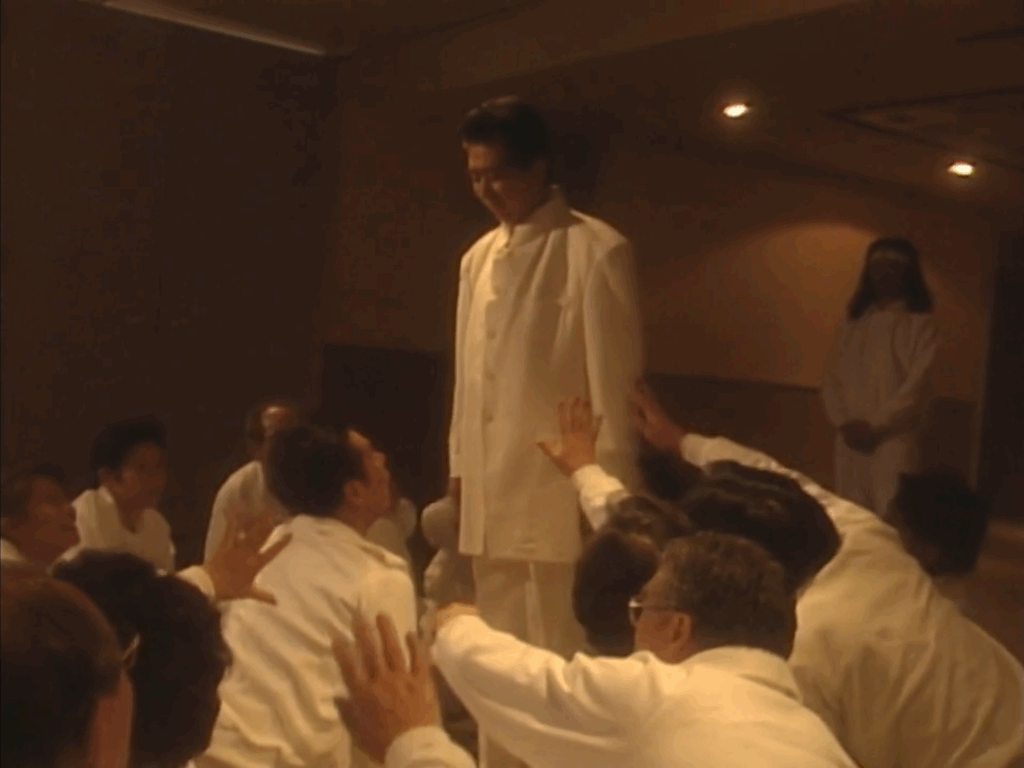
An offshoot of the above question that came to me is regarding the source of the money Mikuriya gave them – how did he get the money to build this lab and conduct this research, let alone give to the brothers? One answer I’ve considered is likely only the accidental result of costume recycling due to budgetary constraints, but is interesting to consider: Mikuriya appears to be wearing the same ostentatious white suit as his former colleague in psychic research, Doumeki. This would also be the man who went on to found a highly lucrative religious cult, wherein said suit was a large part of what gave him his “presence” as its leader. Was Mikuriya still affiliated with Doumeki, and was the Mikuriya Research Lab funded by similarly nefarious sources?
One last note, which presumably comes from similar budgetary concerns, but struck me as accidentally poetic: the footage seen at the beginning of the episode, of their drive back to the lab, appears to be the same footage used at the end of the episode as they leave. Taken as an intentional directorial decision, this would loop the episode – and its sorrows – back on itself, where what appeared in the beginning as trepidation and dread is now shown to be the emotional aftermath and devastation incurred by their visit.
- How exactly did Mikuriya think he would get food or other supplies? ↩︎
- This brings up another question, an addendum to one I asked back in episode one – is Naoto driving unlicensed? And what about their MOT? Or, I guess in Japanese terms, their motor vehicle inspection? ↩︎




Recent Comments