

Posted on May 13, 2026
shows that deserve subs: Kaiki Club
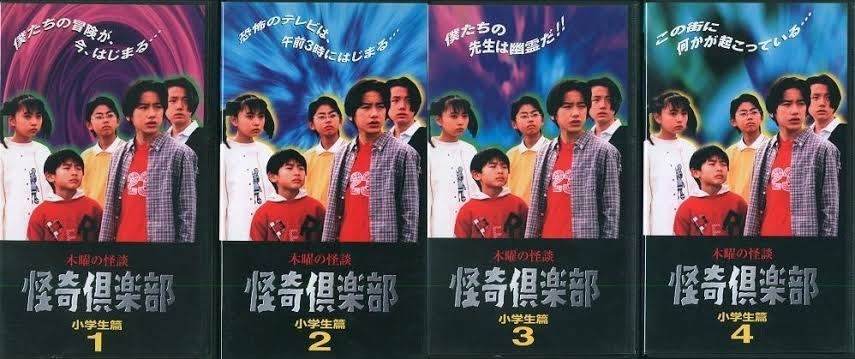
I was immediately intrigued at the premise of Kaiki Club (怪奇倶楽部), a show following a group of kids dealing with various supernatural / sci-fi mysteries in their town, but didn’t think I’d be able to find raws for a show from 1995. Except, they do exist – sort of. Fans of the stars of the show did, in fact, subtitle the first season, but after searching through several decades worth of deleted files and purged blogs, it seemed like a lost cause. Or was it?
You might be confused, hearing the title and the date – is it related to my previous post, on Ginrou Kaiki File? Well, yes and no – no in that the shows themselves are completely separate (barring the title and theme – kaiki = bizarre), and yes in that it came out around the same time, and starred up-and-coming actors from the same talent agency. Hideaki Takizawa and Tsubasa Imai (of Tackey & Tsubasa fame) are particularly popular from what I can see, but personally, I gasped out loud when I saw Naoki Kawano, who I know from both Kamen Rider Wizard and Kamen Rider W.1
Fans of all the groups from this same talent agency are some of the most devoted archivists, despite the company’s notoriously extreme media takedown policies.2 Which is why it’s pretty incredible that someone was able to get ahold of the first season at all, let alone sub it – however, those same relentless takedown policies are part of why it was so difficult to find. It was actually pretty dramatic seeing all the livejournal fallout over the original subber deleting their blog – it seems like it was a devastating upset in the community at the time, so I ought to shout out NEWShFan for their service. In any case, through many trials and tribulations, I did find the first season, and with subs! Proper thanks go to the archiver who saved them.
So, how was the show? I liked it! The first season follows a group of grade-schoolers – four 6th graders and a younger brother – as they investigate various bizarre happenings with the help of Kluster, their 256 terabyte supercomputer gifted to the protagonist by his adventurer grandfather. While the cases mainly focus on the supernatural, the need to return to the computer ends up lending the whole thing a very sci-fi feel – as in episode 5, when they need to jack in to Keita’s mobile phone to be able to contact Kluster while out, or episode 13 when Kluster is able to “follow” the protagonist around a hospital (while running from a parasitic zombie-esque outbreak) because the computers are networked.3 I loved the low-tech ways that they generally needed to communicate or gather information, which kept things more localized to their area (as opposed to, say, creepypasta proliferation or outright conspiracy theories). Compared to overhearing gossip from classmates or older kids, the internet equivalent these days of ‘overhearing’ people discussing rumors has gone from eerie to outright disquieting in a whole different way, which lends the show a kind of bittersweet nostalgia.
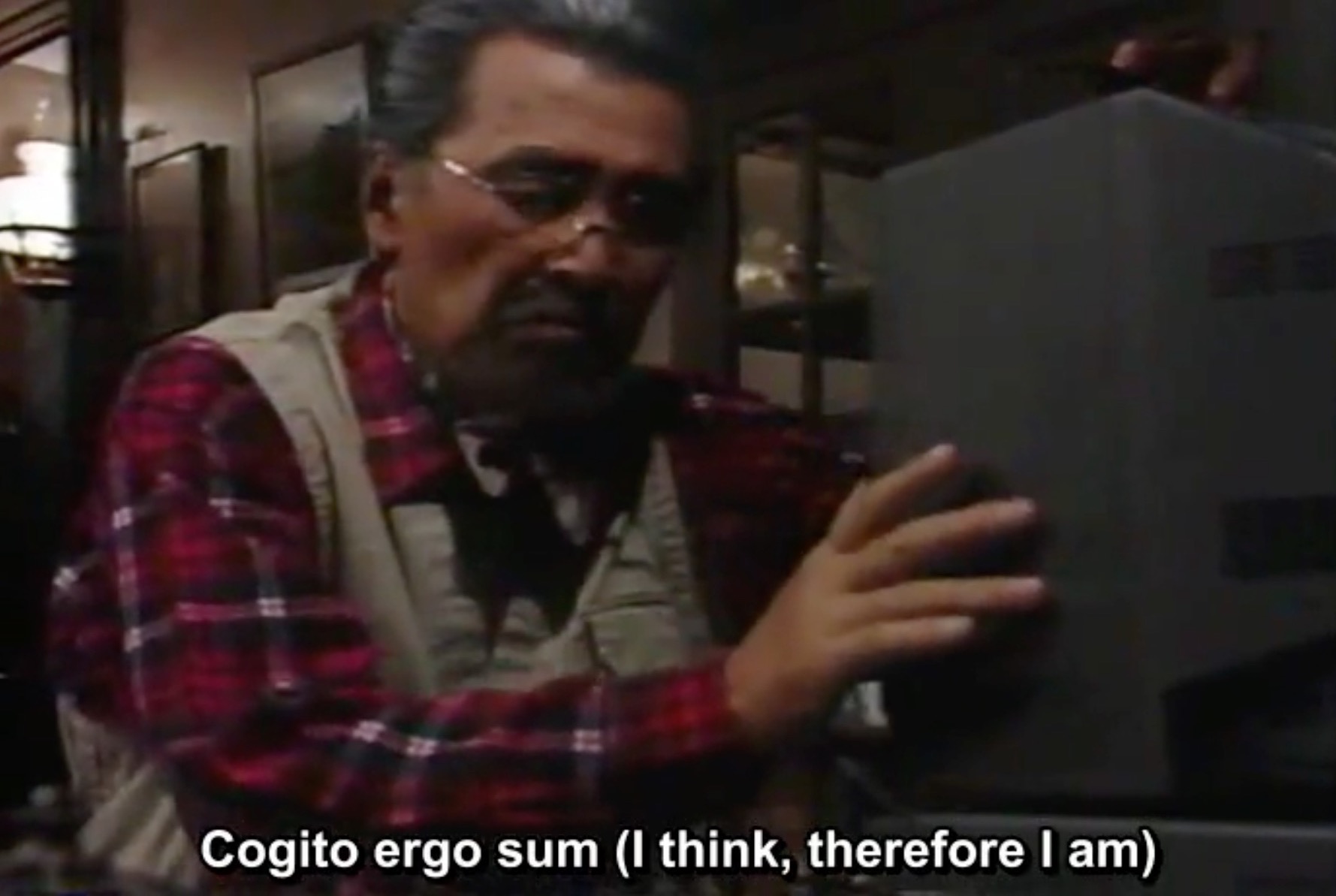
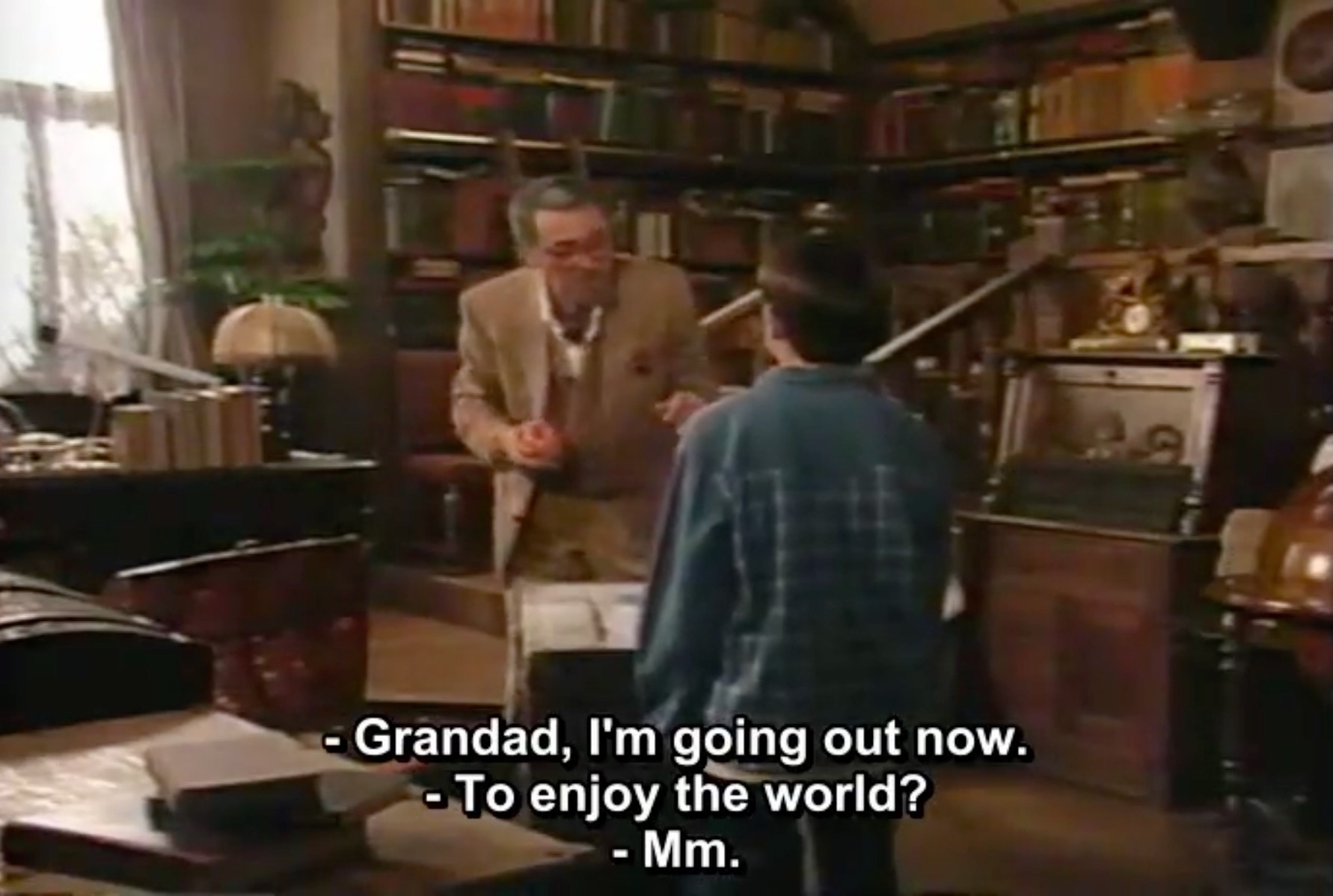
me when I’m on my computer VS me when I touch grass
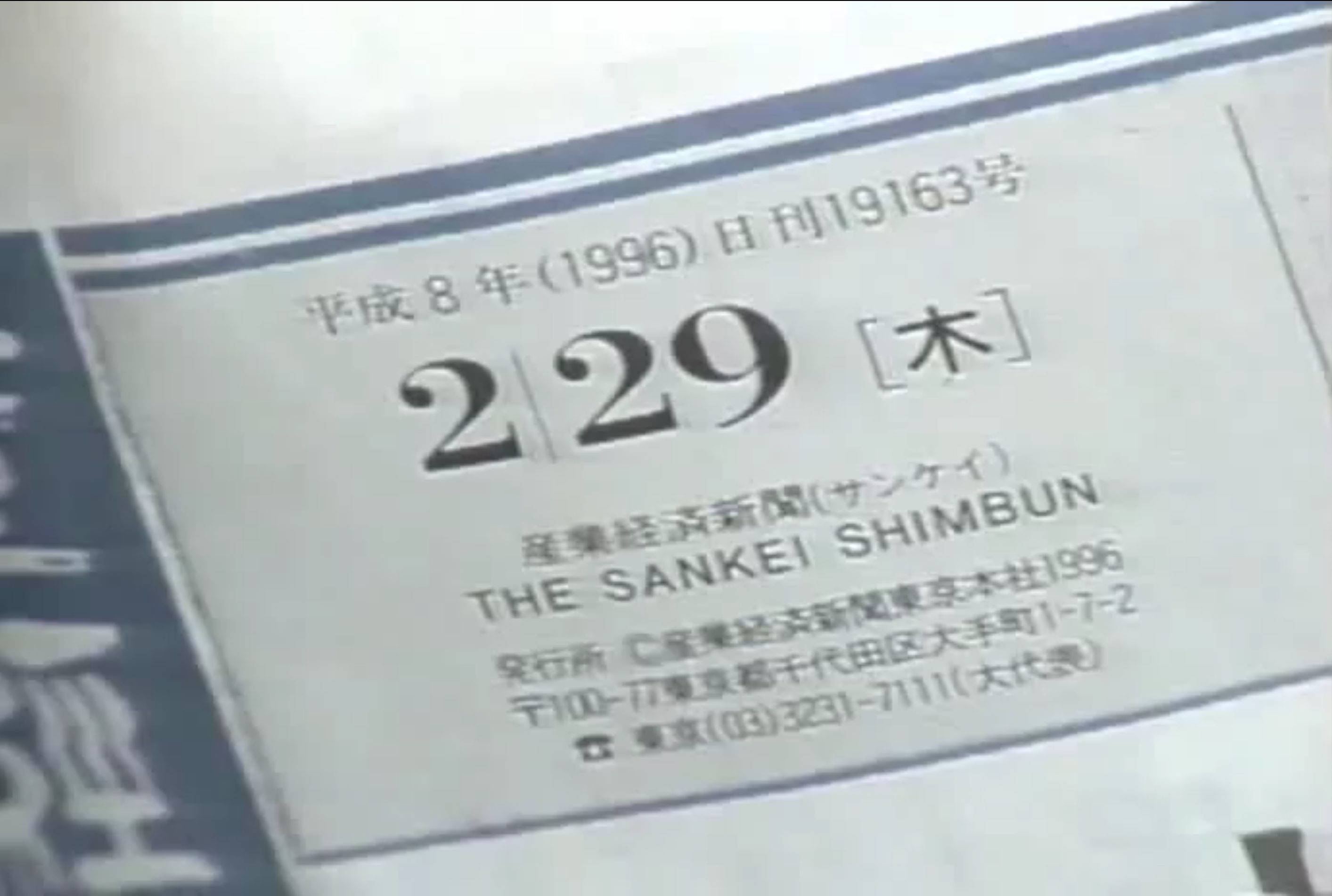
Unlike horror anthologies such as Are You Afraid of The Dark, which focused on the cast telling spooky stories about kids other than themselves, this show has the kids actually dealing with the ‘monster of the week’, as it were. As with many other other shows in the same genre (So Weird, or even The X-Files) the cases rarely impact things from one episode to the next, and things are often neatly dealt with by the end in a way that leaves room for more exploration by different writers across future seasons. There’s no competing magical lore, here! However, while the supernatural element will soft reset by the next episode, the emotional growth and lessons learned are still usually carried over from one episode to the next – whether it’s a ghost helping them through a tearful parting with their teacher changing schools in episode 12, or episode 14‘s groundhog day-esque leap year/time loop for Konno to both save her friend’s life and reach emotional catharsis (in a great performance from Yuka Nomura). 4
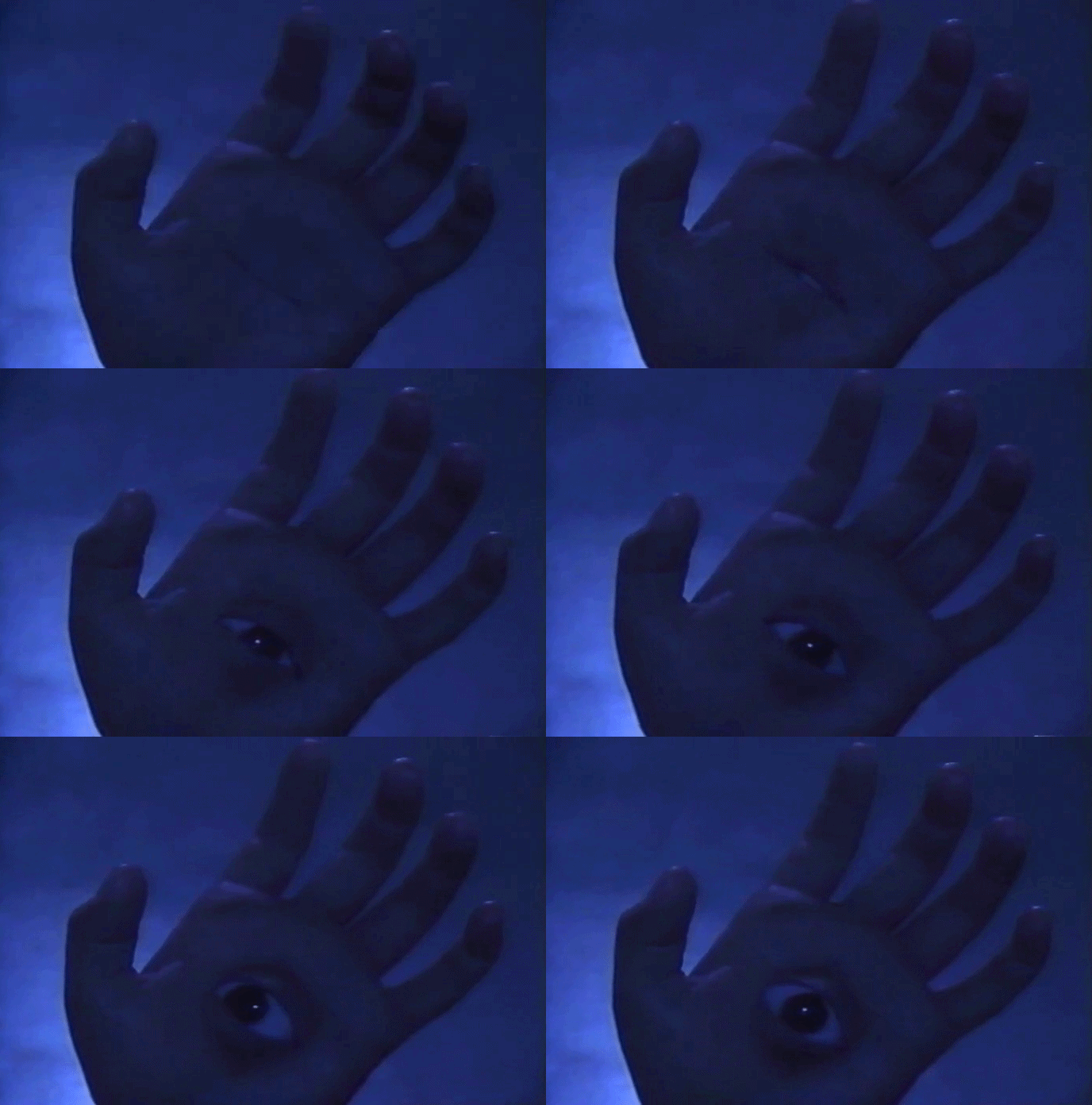
It was definitely the era for this kind of show – it’s a thematic niche that thrived in the 1990s, particularly in Japan, which is something I’d like to explore more in future posts. What’s interesting, though, is that Kaiki Club does a remarkable job of hitting the exact tropes you would expect from a show like this – kokkuri-san, vampires, haunted dolls, toilet ghost Hanako, doppelgangers, aliens – it makes me wonder about the era-specific establishment of these narratives and how they came to be so concisely solidified, especially for younger viewers. There are a few standout episodes, especially from a more tokusatsu/special effects perspective – as mentioned above, episode 13 has some great visuals with parasitic eyeballs growing out of hands, and episode 10‘s haunted doll manages to be charmingly crude floating on wires, while also using pyrokinesis to set things on fire willy-nilly.
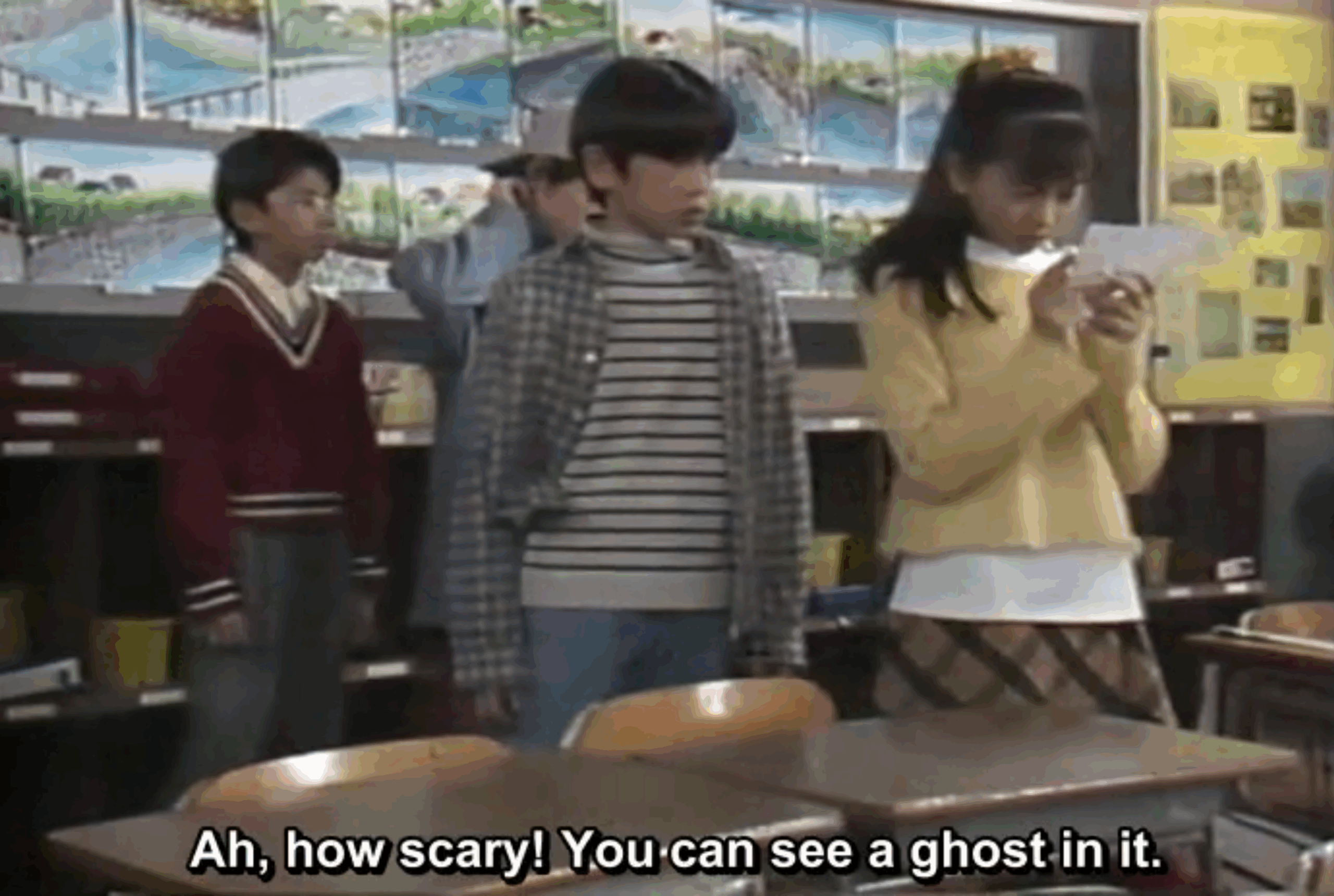
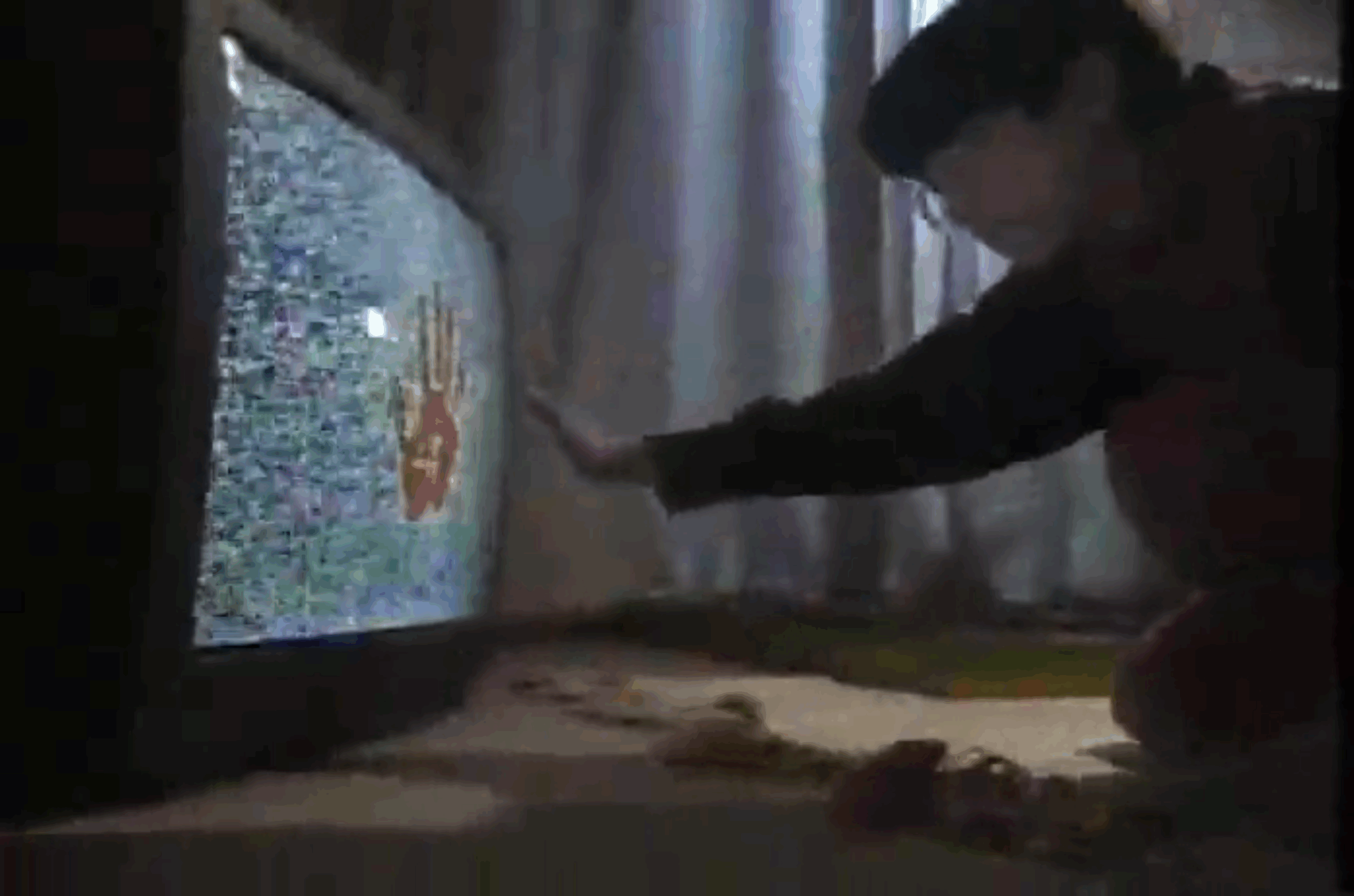
Particularly noteworthy is episode 7, which – having aired on January 11th, 1996 – is an early foray into ‘denpa‘ fiction. The term, translated literally as ‘radio waves’, serves to describe a genre of psychological horror characterized by social isolation, psychosis and reality distortion, most often associated with technology. This episode focuses on Keita, who finds himself the target of a school bully who goads him into watching a spooky late night TV channel called “The Friendship Network”. Said show opens quite ominously by directing viewers to touch palms with a bloody handprint superimposed over static – upon announcing that friendships are difficult to build, the channel tells all its “lonely viewers” that they can widen their circle of friendship just by watching the show… and sharing it with others. Keita is then tasked with getting 10 more people to watch next week – a fairly concise commentary on chain letters, multi-level marketing scams, or even cult tactics. The channel then warns him that the bully who forced him to watch has failed to get enough people on board, and has thus been punished – a fact confirmed at school the next day when he hears that the bully was hit by a truck.
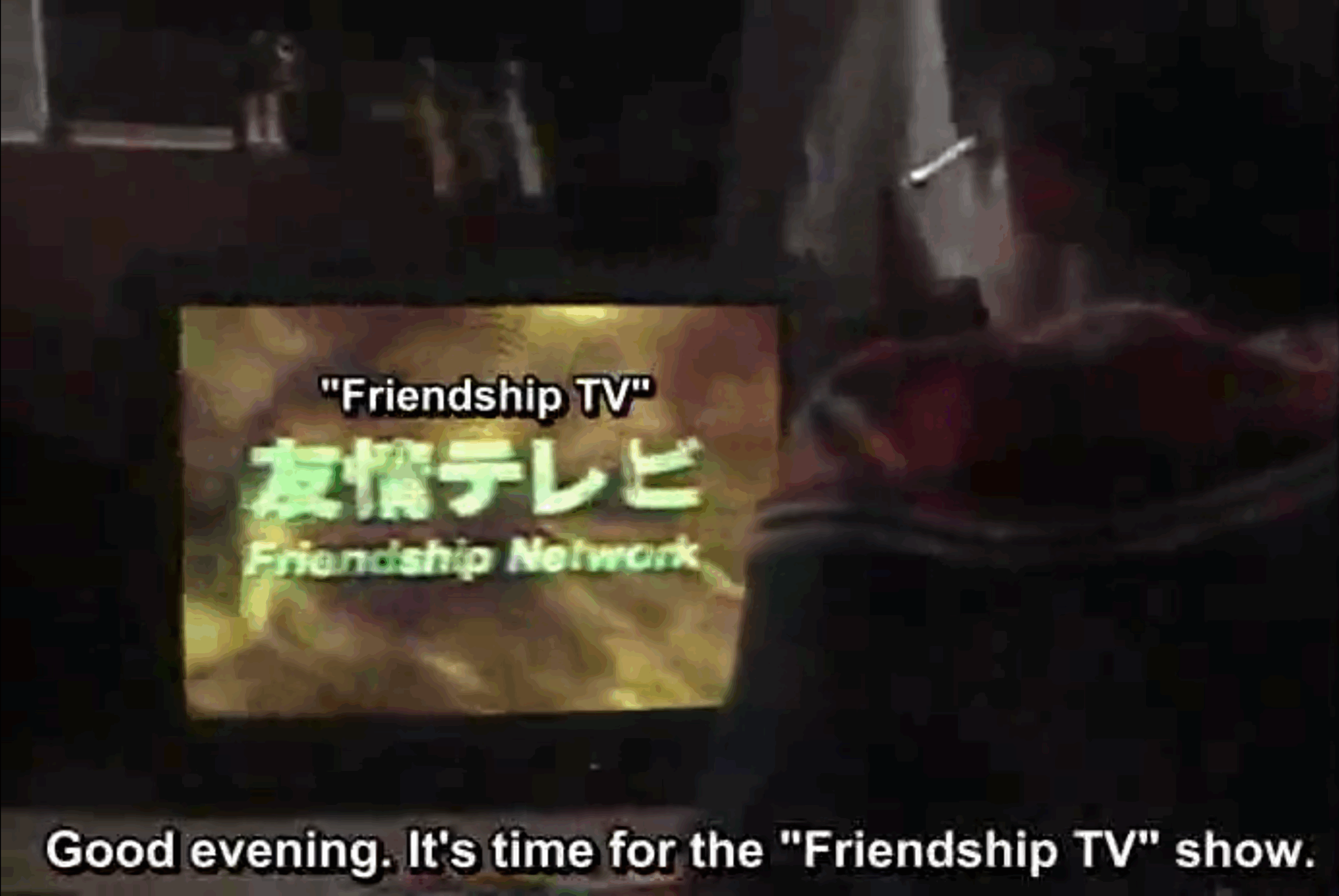
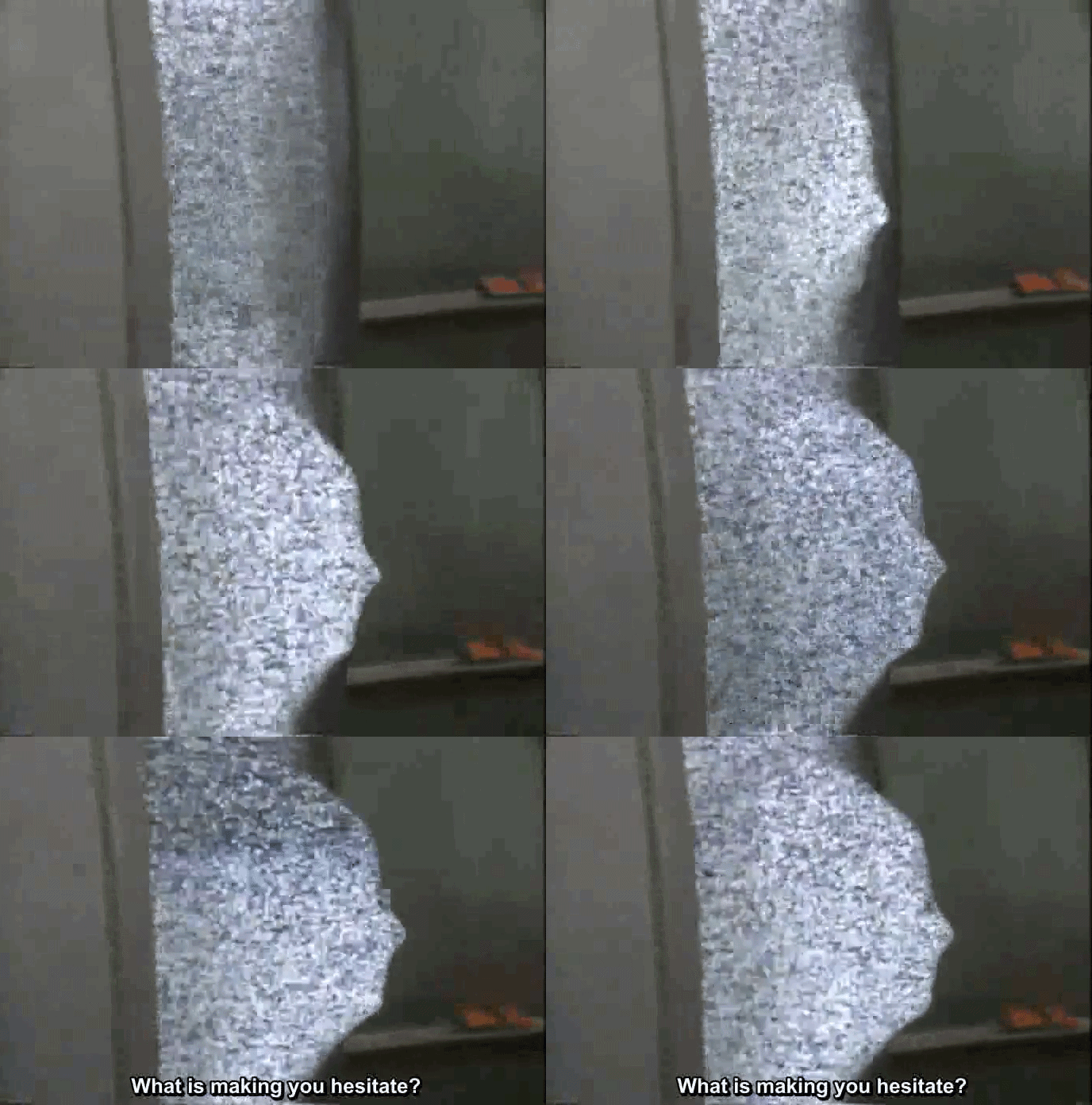
As Keita continues to fret about what to do, he begins to suffer from psychosis – the channel communicates with him through TVs nearby in ways that only he can see, with faces distorting out of the screen, warning of his own impending ‘punishment’. Keita begins to isolate himself from his friends, refusing to go to school and tying up his unplugged TV in a blanket while cowering in horror. Back at school, the gang overhear one of the other bullies freaking out about the same problem, frantically running up to classmates to try and convince them to also watch the show, before collapsing in desperation that 10 people is too many. While similar to the ‘viral’ spread seen in horror series such as The Ring, the horror here resonates most with the muen shakai (無縁社会; relationless society) anxieties at the core of the denpa genre. In preying on viewers’ loneliness, the channel assures them that convincing others to watch will help them make new friends – it feels like the real horror isn’t the imminent punishment at failing to do so, but in failing because you don’t have enough friends to begin with.
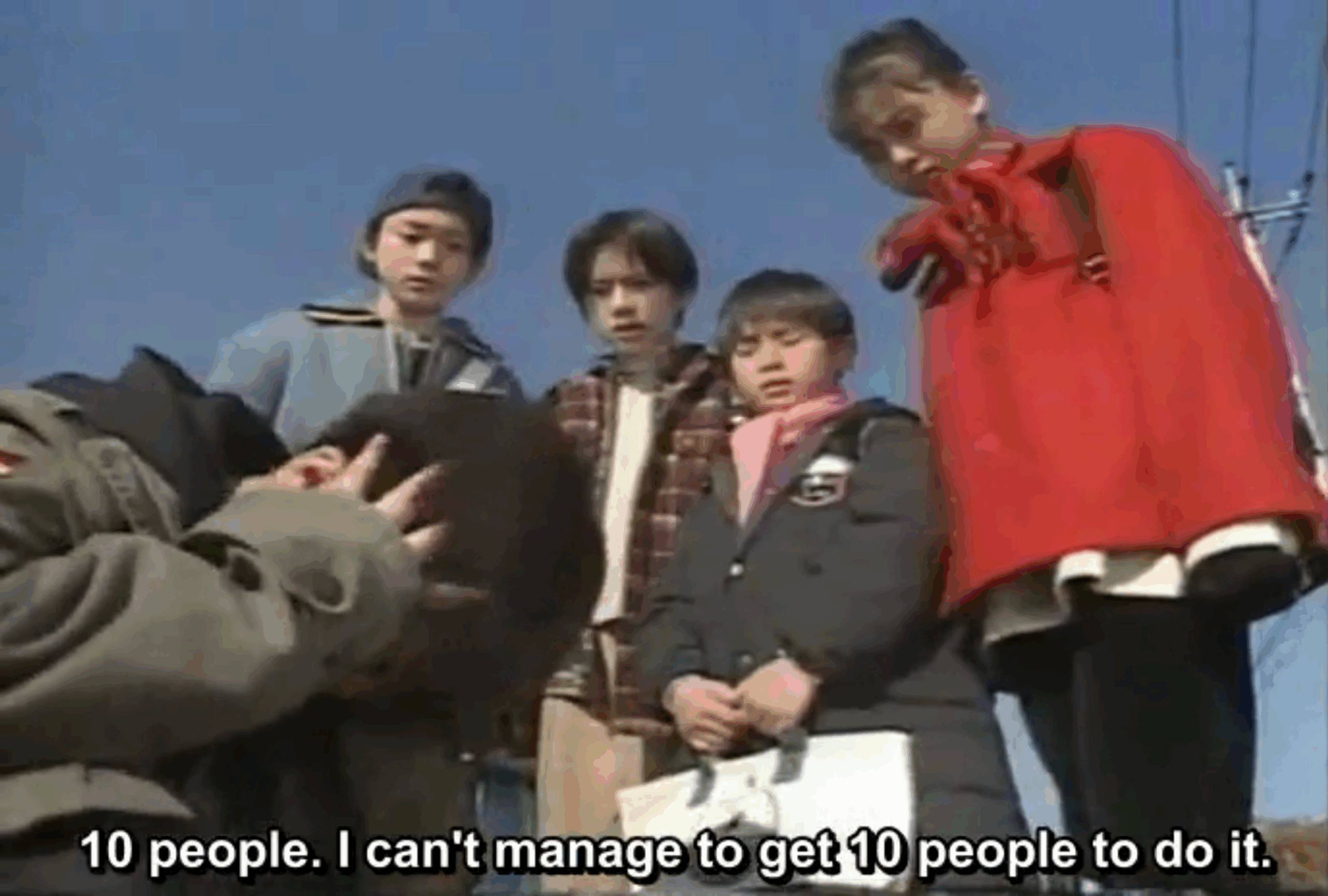
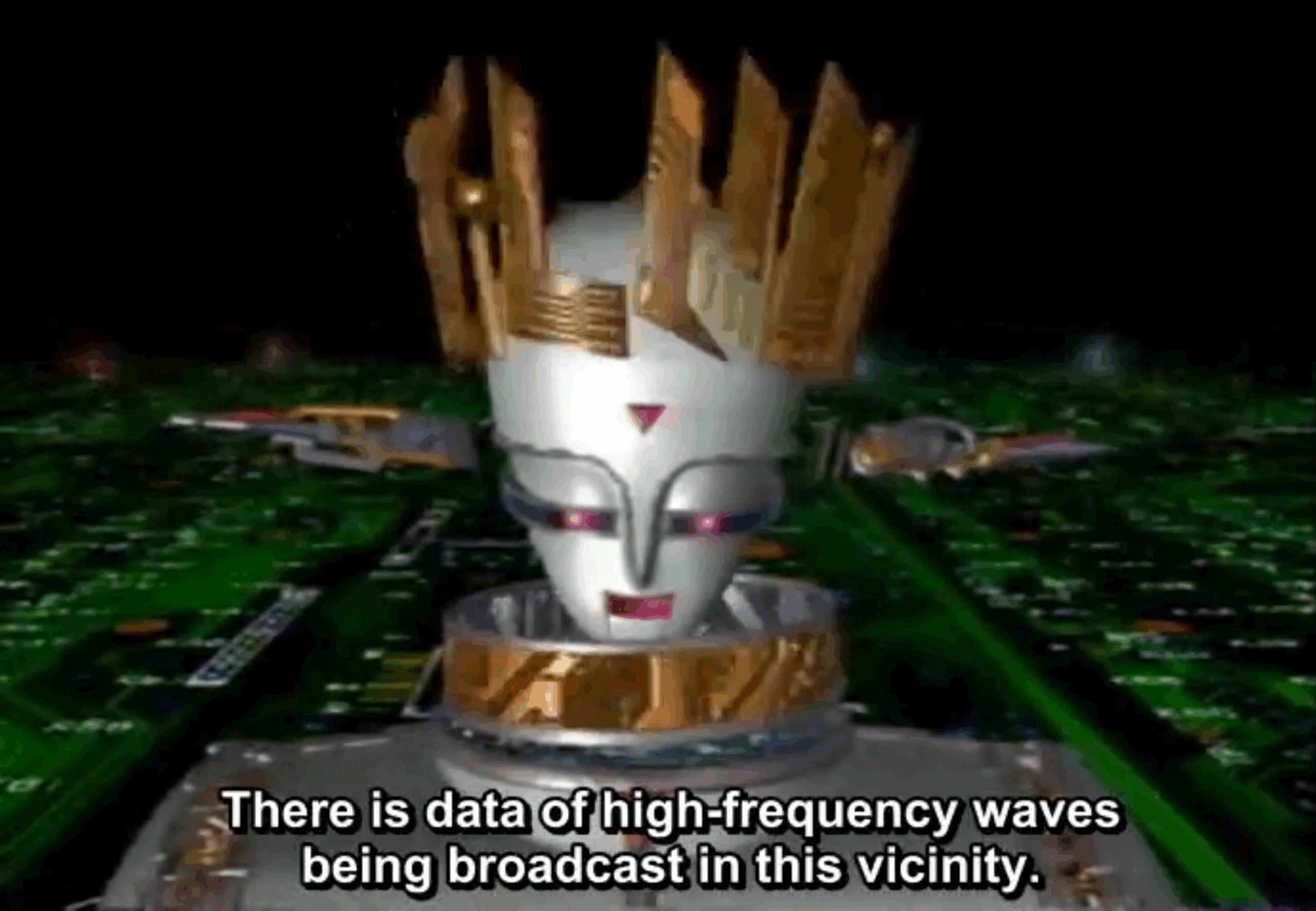
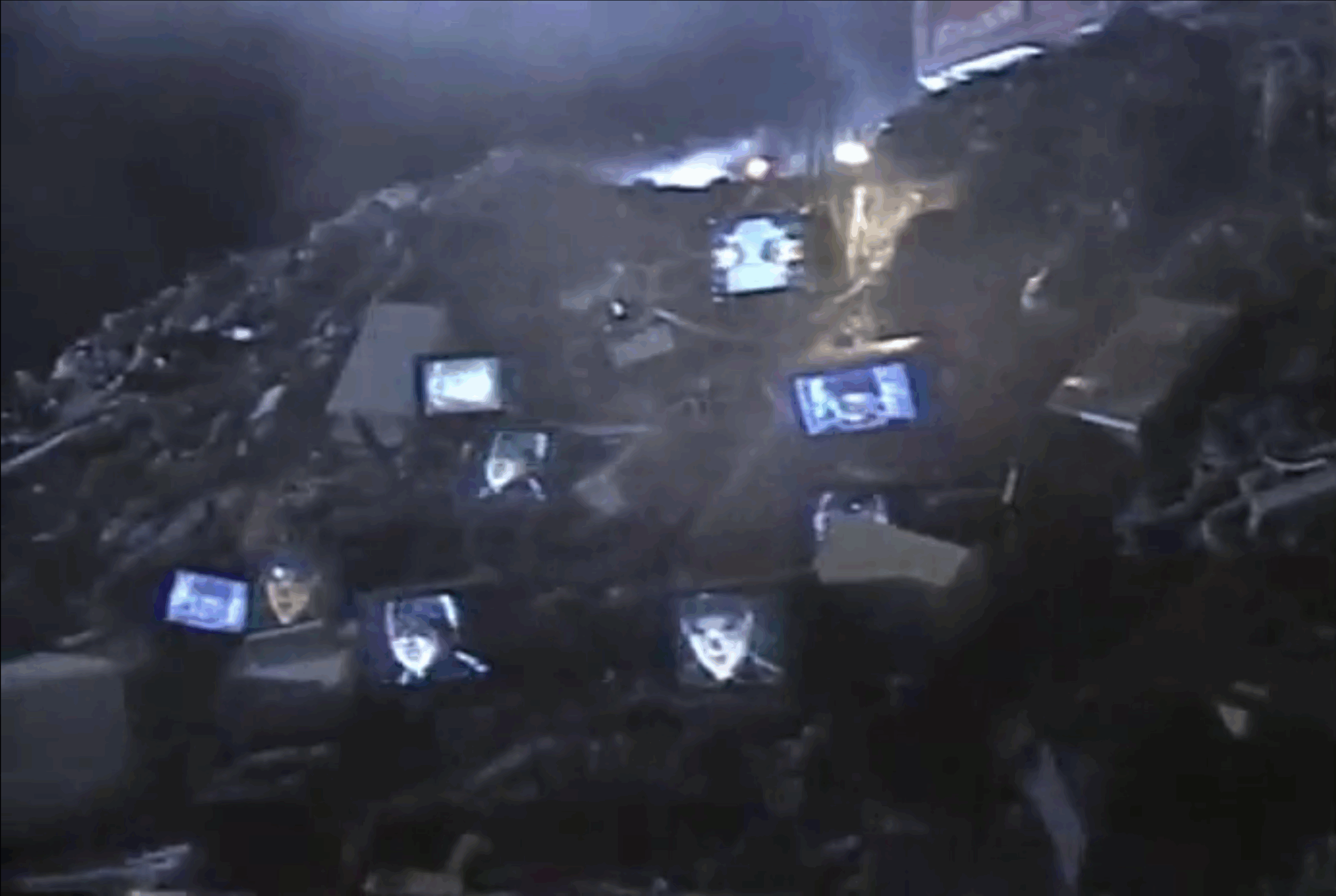
The gang rallies together to protect Keita, and ask their computer about the case, who suggests radio waves – denpa – by name. Kluster is able to show them the source of the signal on a map before being taken over by the errant channel, who threatens to kill them. They speed off to the local dump, where a tower of lurid screens manipulate Keita into thinking his friends hate his guts and that he oughta kill them instead. By sheer force of will he breaks free, smashing the TVs instead – and the friends are reunited to ponder why the machines themselves tried to turn on society.
All in all, it was a fun show, and I do plan to watch the rest, translated or not – I’m looking forward to seeing these kids as they go up through middle school and high school in seasons two and three, and wonder what supernatural hijinks they’ll get up to! However, I’m aware that without a translation, the show has far less reach – which makes me all the sadder that no one has taken the time to sub the other two seasons. I will link to the raw files for Kaiki Club season 2 – Middle School Arc (中学生編 – chuugakusei hen) and season 3 – Seven School Mysteries Arc (学校の七不思議編 – gakkou no nana fushigi hen). If anyone else is interested in working on it, hit me up! I would love to help out!!!
footnotes
- as well as Juken Sentai Gekiranger! In researching for this post, I discovered that he is also the former drummer for DUSTZ (and is therefore obviously personal friends of the inimitable Ray Fujita.) ↩︎
- I would be remiss if I didn’t mention their notoriety in other respects ↩︎
- Side note on this episode – they are able to fend off the parasites by blasting them with nitrous oxide, which you might say had me laughing ;^) ↩︎
- When we see Konno’s newspaper showing the leap year, you can spot that it was thursday (the 木 from 木曜日). The original program that this show aired on was Mokuyou no Kaidan (木曜の怪談 – Thursday’s Ghost Stories), and this aired on an actual leap year in 1996 – how fun would that have been as a kid?!? ↩︎
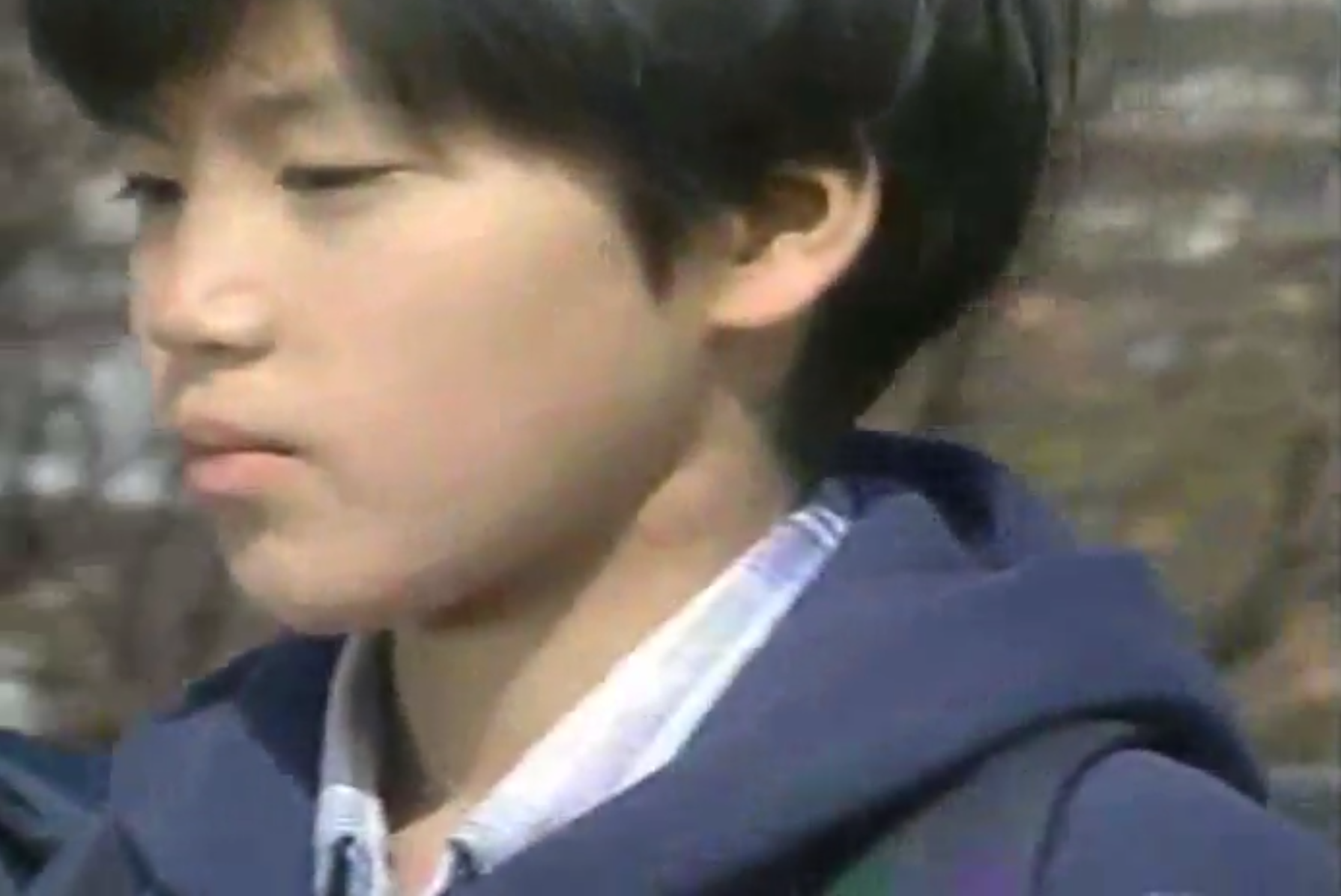
one extra footnote: my brain is completely broken, so when I saw a split goddamn second of this other kid, I knew immediately that it was Shun Oguri… I confirmed it was him on his Japanese wikipedia entry, but it doesn’t seem like it’s listed anywhere in english-speaking spaces. get on it, people!! watch kaiki club!!!




Recent Comments